School trips can be some of the most memorable parts of a child’s education. A well-planned visit can make a topic feel real, help pupils build confidence, strengthen relationships, support personal development and give children experiences they may not otherwise have. But educational visits also take time, judgement and careful organisation. For teachers and school leaders, the challenge is not simply finding somewhere interesting to go. It is making the visit worthwhile, inclusive, safe, affordable and manageable for staff.
This guide is designed as a starting point for schools planning trips and educational visits in the UK. It brings together the main questions schools need to think about: curriculum purpose, risk management, provider checks, costs, SEND, supervision, transport, parent communication and follow-up learning. It also links to more detailed AllSchools guides on specific types of visits, from KS1 school trip ideas to secondary school trip venues, risk assessments and SEND-friendly school trips.
The aim is not to make school trips feel harder than they need to be. It is the opposite. The best planning gives staff confidence, reduces last-minute stress and helps pupils get the most from the experience.
Why school trips still matter
In a busy school year, trips can sometimes feel like an extra burden. There are forms to complete, buses to book, staff cover to arrange, risk assessments to check, parents to contact and budgets to manage. It is easy to see why some schools become cautious about taking pupils off site.
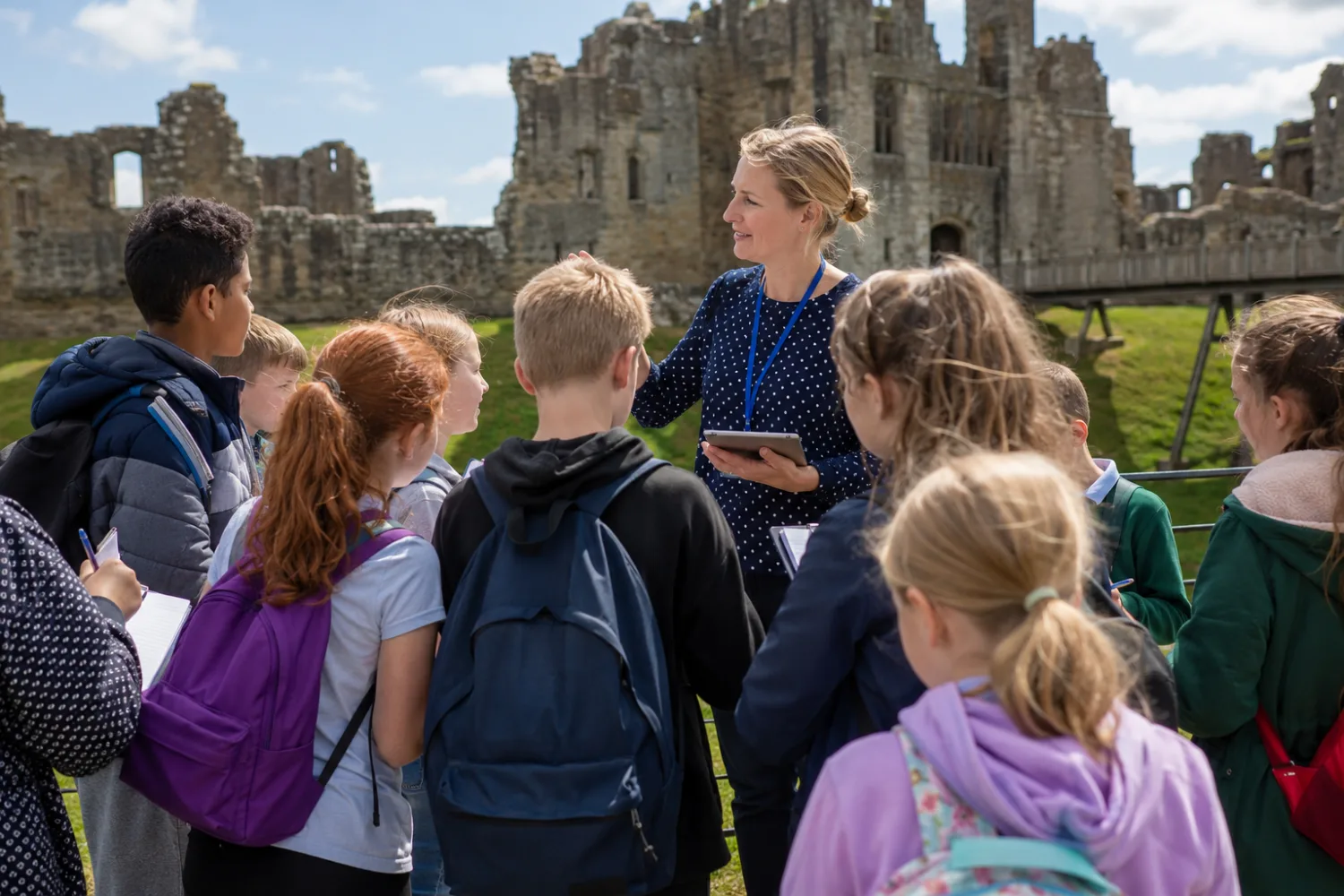
But educational visits matter because they do something the classroom cannot always do on its own. They place learning in a real setting. A history topic changes when pupils stand inside a castle, museum or heritage site. Science feels different when pupils visit a laboratory, observatory, wildlife centre or STEM venue. Geography becomes more meaningful when pupils investigate a river, coastline, farm, city, woodland or rural landscape. Art, drama, music, sport, citizenship and careers education can all become more memorable when pupils experience them beyond the school gates.
Trips also support wider development. Pupils practise independence, communication, resilience, teamwork and behaviour in a different environment. For some children, a school visit may be their first time travelling outside their local area, staying away from home, visiting a theatre, exploring a museum or spending time in nature.
This is why the strongest school trips are not treated as rewards or add-ons. They are part of the curriculum and part of pupils’ personal development. A trip does not have to be expensive or dramatic to be valuable. A local walk, library visit, community project, museum session or nearby nature study can be just as powerful when it is planned with purpose.
Start with the learning purpose
The best school trips begin with a simple question: what should pupils understand, experience or be able to do because of this visit?
That sounds obvious, but it is often where trip planning becomes unclear. A venue may look exciting, a workshop may sound impressive or a residential centre may offer a long list of activities. But if the visit is not connected to the school’s curriculum, pupils’ needs or wider development goals, it can become difficult to justify the time and cost.
A clear learning purpose helps with almost every later decision. It helps staff choose the right venue, explain the trip to parents, prepare pupils, select activities, brief adults, support pupils with SEND and evaluate the visit afterwards.
For example, a primary school planning a history visit might not simply say, “We are going to a castle.” A stronger purpose would be: “Pupils will use the castle visit to understand how defensive features, location and daily life connect to our work on medieval Britain.” A secondary school planning a science visit might not simply say, “We are going to a science centre.” It might say: “Students will use the visit to connect classroom physics and engineering concepts to real-world careers and applications.”
The clearer the purpose, the easier it becomes to avoid trips that are enjoyable but disconnected. Enjoyment matters, but it should sit alongside learning, not replace it.
If you are planning a curriculum-focused visit, you may find these guides useful: Best School Trip Venues That Link to the KS2 Curriculum, Best STEM and Science School Trip Venues in the UK and Best History and Heritage School Trip Venues in the UK.
Choosing the right type of educational visit
Not every school trip needs to be a full-day coach visit. In fact, some of the most effective educational visits are small, local and low-cost. The right type of visit depends on the pupils, curriculum, staffing, budget, risk level and time available.
Schools might consider:
- local walks and fieldwork
- museum, gallery and heritage visits
- theatre, music and arts visits
- farm and rural education visits
- STEM and science centres
- outdoor learning and forest school activities
- sports, adventure and activity centres
- university, workplace and careers visits
- religious, civic or community visits
- residential trips
- overseas visits
Each type of visit has a different level of planning. A short walk to a local library is not the same as a residential outdoor activity trip. A museum session with trained education staff is not the same as independent fieldwork near water. A theatre visit is not the same as a farm visit where pupils may be close to animals, equipment or uneven ground.
That does not mean schools should avoid more ambitious visits. It means the planning should match the complexity of the activity. The Department for Education’s guidance on health and safety on educational visits explains that some visits may simply need existing arrangements to be reviewed, while others need more detailed planning, risk assessment and approval.
For inspiration by age group and subject, see Best School Trip Ideas for KS1, Best School Trip Venues for Secondary Schools, Best Farm School Trips and Rural Education Centres in the UK and Best Outdoor Learning and Forest School Trip Venues in the UK.
Planning responsibilities and approval
A successful school trip needs clear responsibility. Staff should know who is leading the visit, who is approving it, who is responsible for risk management, who is contacting parents, who is booking transport, who is liaising with the venue and who is dealing with medical, SEND or safeguarding information.
In many schools, the educational visits coordinator, senior leader or headteacher will have a role in approving visits. Some schools and academy trusts use a formal online visits system. Others use internal forms and policies. The details vary, but the principle is the same: the school should have a clear process for checking that the visit is appropriate, properly planned and safely managed.
Before a visit is approved, schools will usually need to consider:
- the purpose of the visit
- the proposed venue or provider
- the age and needs of pupils
- staffing and supervision
- transport arrangements
- medical and SEND needs
- costs and affordability
- risk assessment and control measures
- emergency procedures
- parent communication and consent where required
For more adventurous, residential or overseas visits, schools may need additional checks and higher-level approval. The OEAP National Guidance provides detailed support for schools, employers, visit leaders, educational visits coordinators and outdoor education advisers planning off-site visits, outdoor learning and adventurous activities.
Good approval processes should not feel like paperwork for its own sake. They should help staff think clearly before the trip happens. If the process is too vague, important details get missed. If it is too heavy for every simple local visit, staff may become discouraged. The aim is proportionate planning: enough structure to support good decisions, without making educational visits unnecessarily difficult.
Risk assessment should support good trips, not stop them
Risk assessment is sometimes treated as the most stressful part of trip planning. It should not be. A good risk assessment is not about eliminating every possible risk or producing pages of paperwork that nobody reads. It is about understanding the main risks and putting sensible controls in place.
The Health and Safety Executive has specific information on school trips, including key questions schools should ask before an educational visit. The DfE also makes clear that schools should take a sensible and proportionate approach to health and safety on educational visits.
In practice, a school trip risk assessment should usually consider:
- travel and arrival arrangements
- road safety and pedestrian movement
- supervision ratios and group management
- venue-specific hazards
- activity-specific hazards
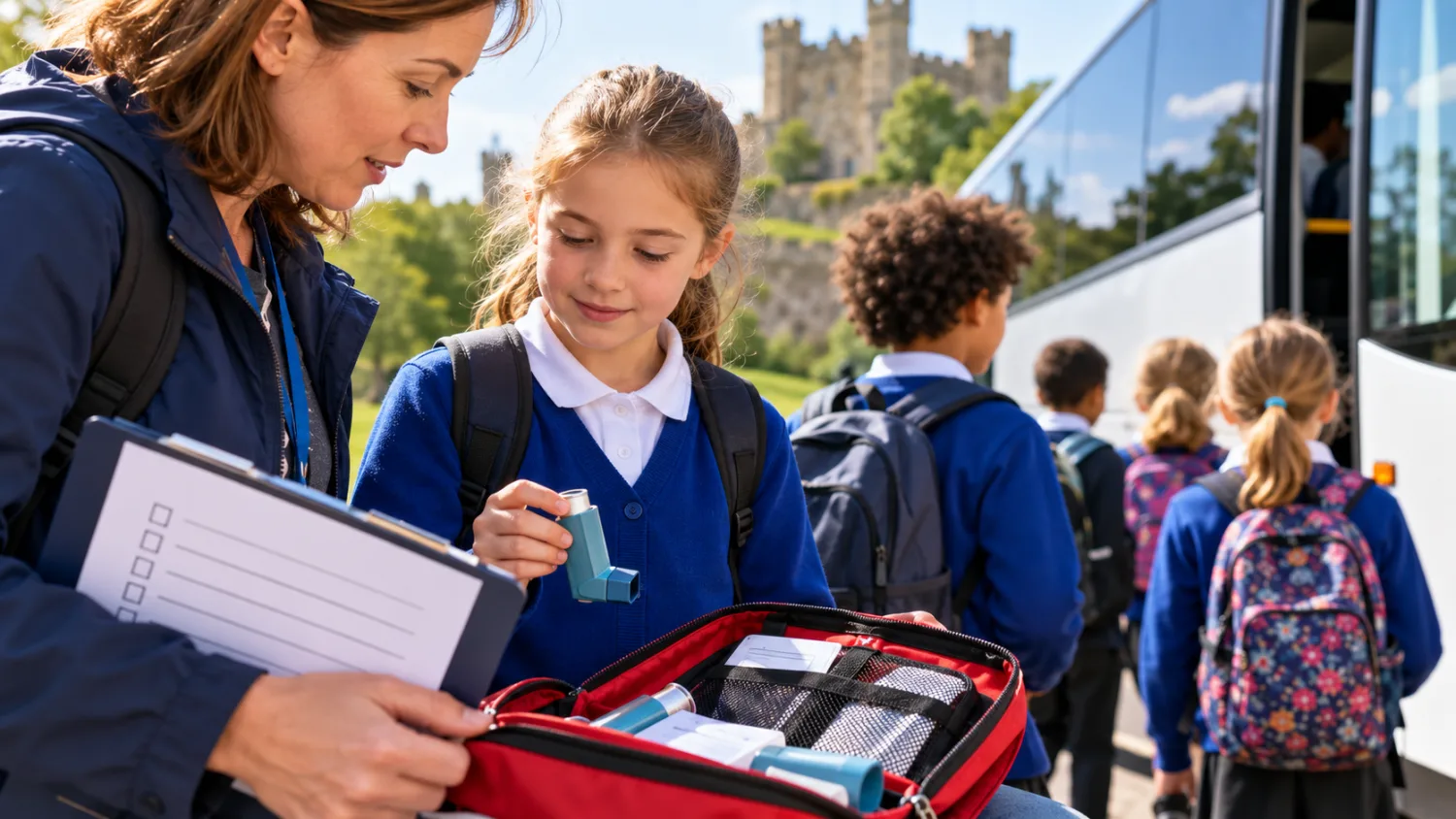
- medical needs and medication
- SEND and accessibility needs
- toileting, eating and rest breaks
- lost pupil procedures
- weather, clothing and equipment
- emergency contacts and communication
- staff roles if something changes on the day
The best risk assessments are practical. Staff should be able to understand them, use them and adapt them if circumstances change. A document that looks impressive but does not help adults manage the visit is not doing its job.
It is also worth remembering that risk management is not only about preventing harm. It can also enable pupils to take part. A thoughtful approach can help schools include pupils who might otherwise miss out because of medical needs, anxiety, behaviour concerns, mobility needs or sensory differences.
For a more detailed step-by-step guide, read How to Write a School Trip Risk Assessment.
Choosing venues and external providers
A good venue can make a school trip easier, richer and more memorable. A poor provider can create confusion, extra workload and unnecessary risk. Schools should therefore look beyond the headline activity and ask whether the venue understands what schools actually need.
Before booking, it is sensible to ask:
- Does the venue offer curriculum-linked sessions?
- Can activities be adapted for different age groups?
- What information is available for risk assessment?
- Are staff experienced in working with school groups?
- What supervision is expected from school staff?
- How does the venue support pupils with SEND?
- Are toilets, lunch spaces and quiet spaces available?
- What happens in bad weather?
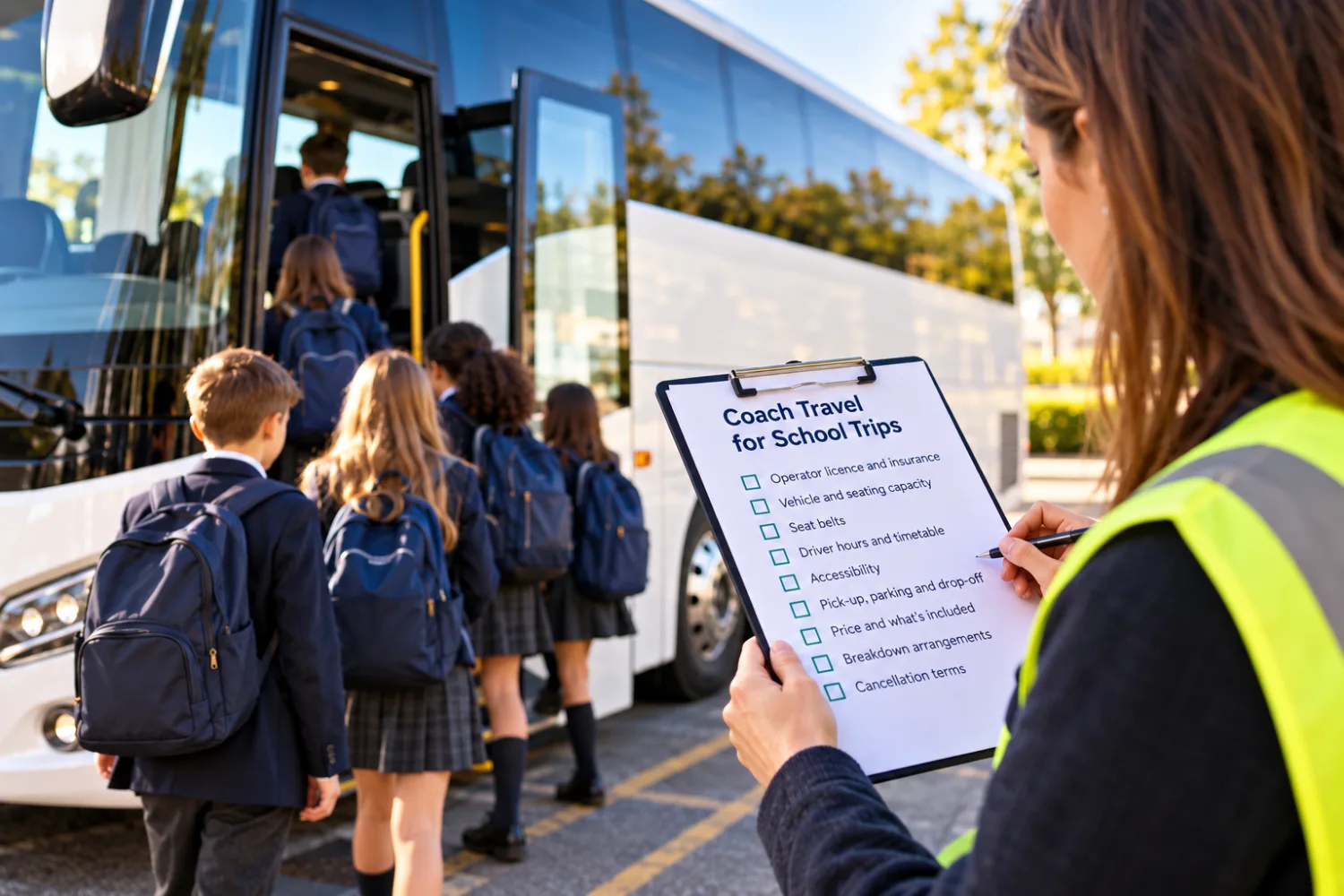
- Are there clear arrival, parking and coach instructions?
- What is included in the price?
- What is the cancellation policy?
Schools may also look for external quality marks or evidence that a provider is used to working with education groups. The Council for Learning Outside the Classroom explains that the LOtC Quality Badge provides a framework for providers working with schools and community groups. Not every good provider will have the same accreditation, but schools should still expect clear, school-friendly information.
A strong provider does not leave teachers guessing. It gives schools the information they need before they book: learning outcomes, timings, prices, facilities, access information, safeguarding arrangements, risk information and what adults need to do on the day.
For more practical questions, read Questions Every Teacher Should Ask Before Booking a School Trip Venue and What Schools Need From a School Trip Provider Before They Book.
Making school trips inclusive for pupils with SEND
An educational visit should not become something only the easiest-to-manage pupils can access. Inclusion needs to be built into planning from the start, not added at the end when a problem appears.
For pupils with SEND, the key question is not simply “Can they come?” It is “What needs to be in place so they can take part meaningfully and safely?” That might involve travel adjustments, visual information, social stories, quiet spaces, additional adults, medical planning, sensory considerations, accessible toilets, shorter activity blocks or careful grouping.
Some pupils may need preparation before the visit. They may need to know where they are going, what the day will look like, who they will be with, where they can go if overwhelmed and what will happen if plans change. Others may need support with physical access, communication, personal care, anxiety, transitions or behaviour in unfamiliar environments.
Schools should speak to parents and carers where helpful, but they should also listen to pupils themselves. A child who struggles in the classroom may thrive outdoors. Another who is confident at school may find a crowded museum, coach journey or overnight stay overwhelming. Assumptions are risky. Planning should be individual.
Inclusion can also affect venue choice. A venue that provides clear access information, flexible activities and patient staff may be a better option than a more famous venue that cannot adapt. For some visits, a pre-visit by staff can be very useful, especially where there are complex needs in the group.
For a fuller guide, see How to Make a School Trip Work for Pupils With SEND.
Costs, consent and parent communication
Cost is one of the biggest barriers to school trips. Transport, entry fees, workshops, insurance, staff cover and residential accommodation can quickly make a visit expensive. Schools need to balance ambition with affordability, especially where families are under financial pressure.
A trip that looks reasonably priced to one family may be impossible for another. Schools should think carefully about voluntary contributions, subsidies, pupil premium support, PTA funding, local grants, free venues, local visits and lower-cost alternatives. A powerful educational visit does not always need a long coach journey or expensive ticket.
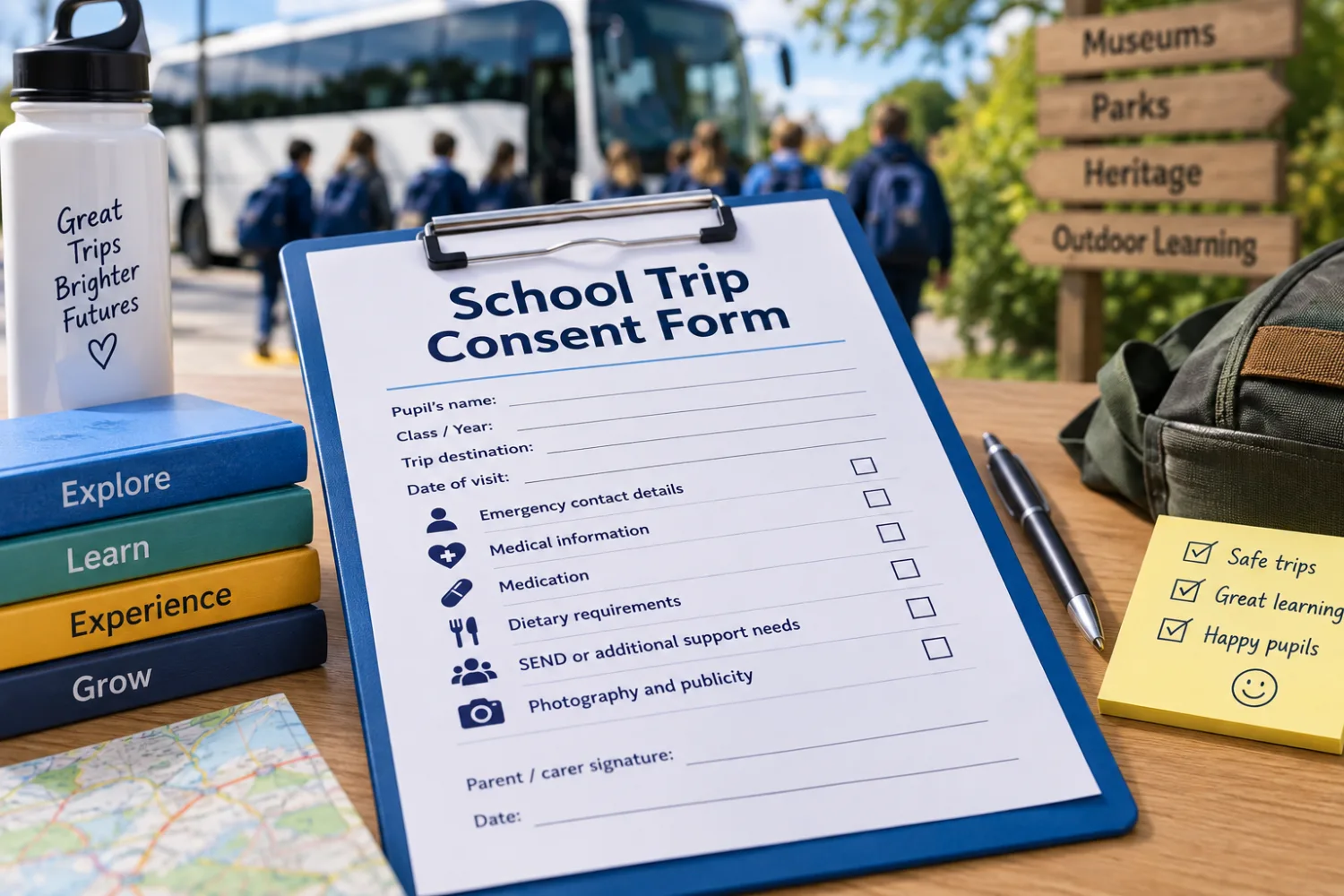
Parent communication should be clear, early and practical. Parents and carers usually need to know:
- where pupils are going
- why the visit is taking place
- the date and timings
- the cost and payment arrangements
- what pupils need to bring
- what they should wear
- food and drink arrangements
- transport arrangements
- medical information requirements
- consent arrangements where needed
- who to contact with questions
It is also important to explain the educational value. Parents are more likely to support a trip when they understand why it matters. Instead of presenting the visit as a day out, explain how it connects to the curriculum, wellbeing, personal development or a specific school priority.
If budget is a concern, read School Trips on a Tight Budget Worth Visiting. For a broader planning article, see How to Plan a School Trip Without the Stress.
Making the day run smoothly
Even the best-planned trip can feel messy if adults are unclear on the day. Staff and volunteers should know the timetable, groupings, supervision points, behaviour expectations, emergency procedures and who is responsible for what. Pupils should also know what is expected of them before they leave school.
A useful staff briefing might cover:
- the purpose of the visit
- the timetable and key locations
- adult group lists and pupil names
- medical needs and medication arrangements
- SEND support notes
- behaviour expectations
- toilet and lunch arrangements
- what to do if a pupil is upset, ill or missing
- emergency contact numbers
- how changes will be communicated
It is worth keeping the day realistic. If the schedule is too packed, pupils become tired, adults become rushed and learning can suffer. Movement between spaces, toilet stops, transitions, lunch and unexpected delays all take longer with a school group than they do with a few adults.
Pupils also need preparation. Before the trip, teachers can explain the purpose of the visit, key vocabulary, behaviour expectations, safety rules and questions pupils might investigate. This makes the day more focused and reduces anxiety for pupils who find unfamiliar situations difficult.
During the visit, adults should stay alert but not over-control every moment. Some of the best learning happens when pupils notice, question and connect ideas for themselves. The role of staff is to keep pupils safe, guide attention, support behaviour and help the visit remain purposeful.
Using the trip after you return
A school trip should not end when the coach arrives back at school. The follow-up is where pupils make sense of what they experienced. Without it, even a brilliant visit can become a memory rather than learning.
Follow-up work does not need to be complicated. Pupils might write reflections, produce reports, create presentations, compare what they saw with classroom learning, complete fieldwork analysis, design posters, write thank-you letters, debate a question, build models, produce artwork or use photographs and notes to support extended writing.
Teachers can ask:
- What did pupils understand better because of the visit?
- What surprised them?
- What questions did the visit raise?
- Which pupils benefited most?
- What would we change next time?
- Did the venue or provider meet expectations?
- Was the cost and workload justified?
This reflection helps the current class, but it also improves future visits. If a trip worked well, keep notes for next year. If something was stressful, record what needs to change. Over time, schools can build a stronger bank of trusted venues, templates, risk assessments, parent letters and staff knowledge.
For teachers looking for memorable ideas, see 10 Unusual School Trip Ideas That Pupils Actually Remember. For providers trying to understand what schools need, see How School Trip Venues Can Attract More Teacher Bookings.
FAQ
What is the difference between a school trip and an educational visit?
The terms are often used in similar ways. “School trip” is the everyday phrase many parents and pupils use. “Educational visit” is often used in policies and guidance because it emphasises the learning purpose and includes a wide range of off-site activities, from local walks and museum visits to residential and overseas trips.
Do all school trips need a risk assessment?
Schools need to manage risk sensibly and proportionately. A simple local visit may rely on existing procedures and a review of arrangements, while a higher-risk, residential, adventurous or overseas visit may need more detailed planning and approval. Schools should follow their own policy, employer guidance and relevant national guidance.
Who approves school trips?
This depends on the school, local authority, academy trust or employer policy. Approval may involve the visit leader, educational visits coordinator, senior leader, headteacher, governing board or trust team. More complex visits usually require a higher level of approval than routine local visits.
What should teachers ask before booking a school trip venue?
Teachers should ask about curriculum links, timings, prices, facilities, access, SEND support, supervision expectations, risk information, staff experience, cancellation terms, bad weather plans and what resources are provided before and after the visit.
How can schools make trips more affordable?
Schools can consider local venues, free museums, community visits, walking trips, public transport where appropriate, PTA support, grants, pupil premium support, careful timing and choosing venues that offer strong educational value without unnecessary extras.
How many adults are needed on a school trip?
There is no single supervision ratio that fits every visit. Schools should consider pupils’ age, behaviour, SEND, medical needs, the activity, venue, transport, location and level of risk. The ratio should allow pupils to be supervised safely and should match the school’s policy and risk assessment.
How should schools support pupils with SEND on trips?
Schools should plan early, consider individual needs, involve parents or carers where useful, prepare pupils in advance and choose venues that can support access, communication, sensory needs, medical needs and safe participation. The aim should be meaningful inclusion, not just physical attendance.
Are residential trips worth the extra planning?
Residential trips can offer valuable opportunities for independence, confidence, teamwork and deeper learning. They do require more planning, especially around safeguarding, supervision, medical needs, accommodation and overnight arrangements. Whether they are worth it depends on the purpose, pupils, provider, cost and quality of preparation.
What should be included in a parent letter for a school trip?
A parent letter should usually explain the purpose of the visit, date, timings, location, cost, payment arrangements, transport, clothing, food, equipment, medical information, consent arrangements and contact details. It should be clear, practical and sent early enough for families to plan.
How can schools get more learning value from trips?
The visit should be linked to classroom learning before, during and after the event. Pupils should know why they are going, what to look for and how the experience connects to their topic or development. Follow-up tasks help turn the experience into lasting learning.