School trips matter. They give pupils experiences, language and memories that are difficult to create in the classroom alone. A child who has stood beside a castle wall, watched wildlife in a local nature reserve, handled an old object in a museum or followed a river through their own town often understands the topic differently afterwards.
But for many UK schools, the biggest barrier is not enthusiasm. It is cost.
Coach hire, entrance fees, workshops, supply cover, insurance, packed lunches, payment admin and family circumstances can all make a simple visit feel difficult. Even when a venue is free, the trip itself may not be. Transport alone can turn a low-cost idea into something unaffordable.
That does not mean schools should give up on educational visits. It means budget-conscious trips need to be planned differently. The best low-cost school trips are not “cheap versions” of better trips. They are visits where the learning purpose is strong, the travel is realistic, and the venue gives pupils something meaningful to see, do, question or remember.
This guide looks at free and low-cost school trip ideas for UK schools, from national museums and English Heritage sites to local parks, libraries, farms, workplaces and walking fieldwork. If you are comparing options by curriculum value, you may also find our guide to the best school trip venues that link to the KS2 curriculum useful alongside this article.
Start by separating the venue cost from the real trip cost
When schools talk about a “free trip”, they usually mean free entry. That is helpful, but it is not the whole budget.
A museum may be free. A local park may be free. A heritage site may offer free educational access. But schools still need to think about transport, staff cover, additional adults, lunch arrangements, accessibility, resources, booking deadlines and the time it takes to organise the visit.
This is why the cheapest trip on paper is not always the cheapest trip in practice. A free museum two hours away may cost more than a paid workshop fifteen minutes away. A local walking visit may cost almost nothing, but it still needs careful supervision and a clear learning purpose. A venue with free entry but no lunch space may create practical problems on a wet day.
Before choosing a destination, work out the full cost per pupil. Include transport, admission, workshops, cover, resources, payment platform fees, contingency and any pupils who may need financial support. This helps avoid the common problem where a trip looks affordable at first but becomes stressful once all the hidden costs appear.
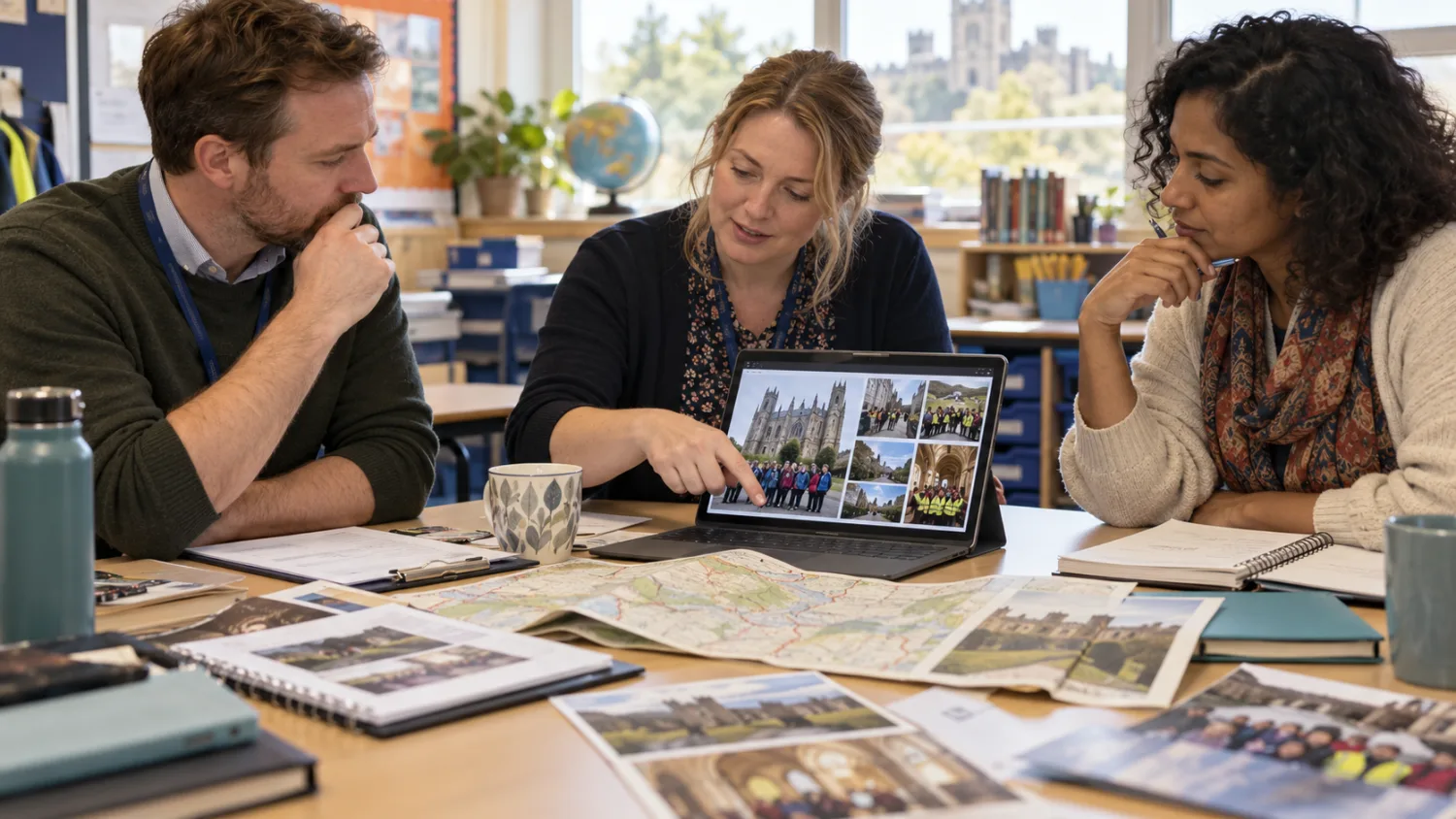
If you are organising a visit from scratch, our practical guide to planning a school trip without the stress covers approvals, risk assessments, parent communication, transport and supervision in more detail.
Free national and regional museums
Museums are often one of the best starting points for low-cost school trips. Many major UK museums offer free general admission, and smaller local museums may offer free self-led visits or low-cost school sessions.
The value of a museum trip is not simply that pupils see interesting objects. It is that they learn to use objects as evidence. A fossil, painting, map, tool, coin, costume, toy, machine or letter can help pupils ask better questions. Who made this? Who used it? What does it tell us? What is missing? Why was it kept? What does it reveal about people, places, science or society?
For history, museums can support local history, ancient civilisations, migration, conflict, invention, everyday life and changes over time. For science, they can support rocks, fossils, animals, habitats, evolution, materials, space and technology. For English, they can provide rich prompts for descriptive writing, explanation, debate, poetry, diary writing and museum-label tasks.
National Museums Liverpool, for example, states that self-led visits for groups to the Museum of Liverpool are free but need to be booked in advance. The World Museum also offers free self-led group visits that must be pre-booked.
In London, many national museums are free to enter, although schools should always check the current school booking requirements, charges for workshops or shows, and whether timed entry is needed. Free entry does not always mean you can simply arrive with a class. Booking rules matter, especially in busy periods.
To keep costs low, consider a self-led visit rather than a paid workshop. A well-planned self-led trip can still be excellent if pupils have a clear enquiry question, simple recording sheet and meaningful follow-up task back at school.
English Heritage sites with free school visits
Historic sites can be some of the most memorable low-cost venues because pupils are standing where history happened. Castles, abbeys, Roman remains, forts, houses, battle sites and industrial heritage locations can make historical periods feel more physical and less distant.
English Heritage offers free self-led visits for UK schools and eligible learning groups at many of its sites. For schools studying Romans, Anglo-Saxons, Normans, medieval life, local history, Tudor England, Victorian Britain or wartime history, this can be a very useful starting point.
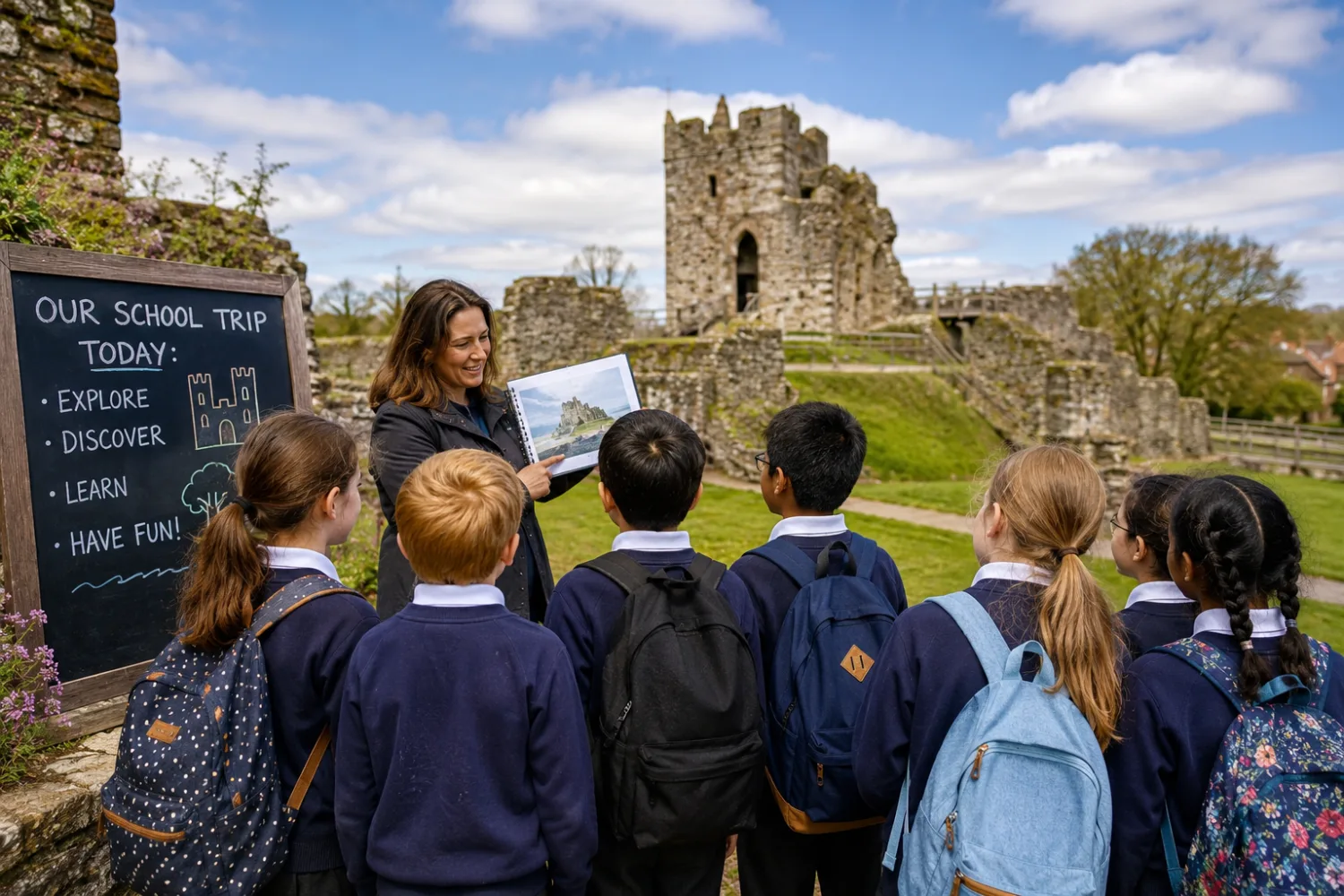
A free self-led heritage visit works best when pupils are given a strong focus. Rather than asking them to “look around the castle”, ask them to investigate how the building was defended, what it tells us about power, how people used the space, what materials were chosen, or how the site changed over time.
Heritage sites also support cross-curricular learning. Pupils can sketch architectural details, write from the perspective of a person who lived or worked there, create a guide for younger visitors, map the site, estimate distances, compare old and new land use, or debate whether the site should be preserved.
The main cost is often transport. If there is an English Heritage site within reasonable reach, it may offer excellent learning value without a large entrance-fee burden.
Local museums and archives
Local museums and archives are often overlooked because they do not always feel like “big” trips. But for schools on a tight budget, they can be one of the strongest options.
A local museum may be within walking distance or a short public transport journey. It may hold objects, photographs, maps, newspapers and oral histories connected to the exact community pupils live in. That can make the learning more meaningful than a more famous venue far away.
Archives are especially useful for upper primary and secondary pupils because they show how history is constructed from evidence. Pupils can compare maps, look at old photographs, examine newspaper articles, read letters, study census records or explore how their area has changed.
This type of visit can support history, geography, English and citizenship. Pupils might investigate how the local high street has changed, how transport shaped the area, what school life used to be like, how migration influenced the community, or how a local industry grew and declined.
The advantage is not only cost. Local visits help pupils see that learning is not always somewhere else. Their own town, city, village or neighbourhood has stories worth studying.
Libraries as low-cost learning venues
A school trip to a library may sound modest, but it can be extremely valuable, especially for pupils who do not regularly visit one with their family.
Libraries support reading for pleasure, research skills, information literacy, author studies, community understanding and confidence using public services. Pupils can learn how books are organised, how to find information, how to choose texts, how library cards work and how libraries support people beyond school.
A library visit can work particularly well before a reading challenge, research project, author study or transition activity. Pupils might choose a book to recommend, compare fiction and non-fiction sections, explore local history resources, interview a librarian or create a guide to the library for other children.
For schools trying to build reading culture, a library visit can be more than a cheap outing. It can help pupils see reading as something that belongs in the wider world, not just in lessons.
The practical details are usually manageable, but they still matter. Check group size, behaviour expectations, membership forms, accessibility, toilets, lunch arrangements and whether the library can offer a short introduction or activity.
Local parks, rivers, canals and nature reserves
Some of the best low-cost educational visits are outdoors and close to school.
A local park, river, canal, woodland, meadow, coastline, pond, cemetery, common, nature reserve or green space can support science, geography, English, art, maths and wellbeing. The venue may be free, familiar and easy to reach, but the learning can still be rich.
For science, pupils can study habitats, plants, classification, seasonal change, lifecycles, food chains and human impact. For geography, they can explore land use, maps, local services, rivers, erosion, traffic, settlement and environmental quality. For English, they can write poetry, descriptions, reports, persuasive letters or field notes.
The key is to turn the visit into fieldwork rather than a walk. Pupils might measure tree height, compare microhabitats, map litter, record bird sightings, test soil, sketch plants, survey park users, measure noise levels, photograph human and physical features, or follow a river route.
Forestry England offers learning information and resources for forest visits, with ideas designed to help schools use forests for hands-on learning. Their educational forest visits page is a useful place to start if your school is near a forest site.
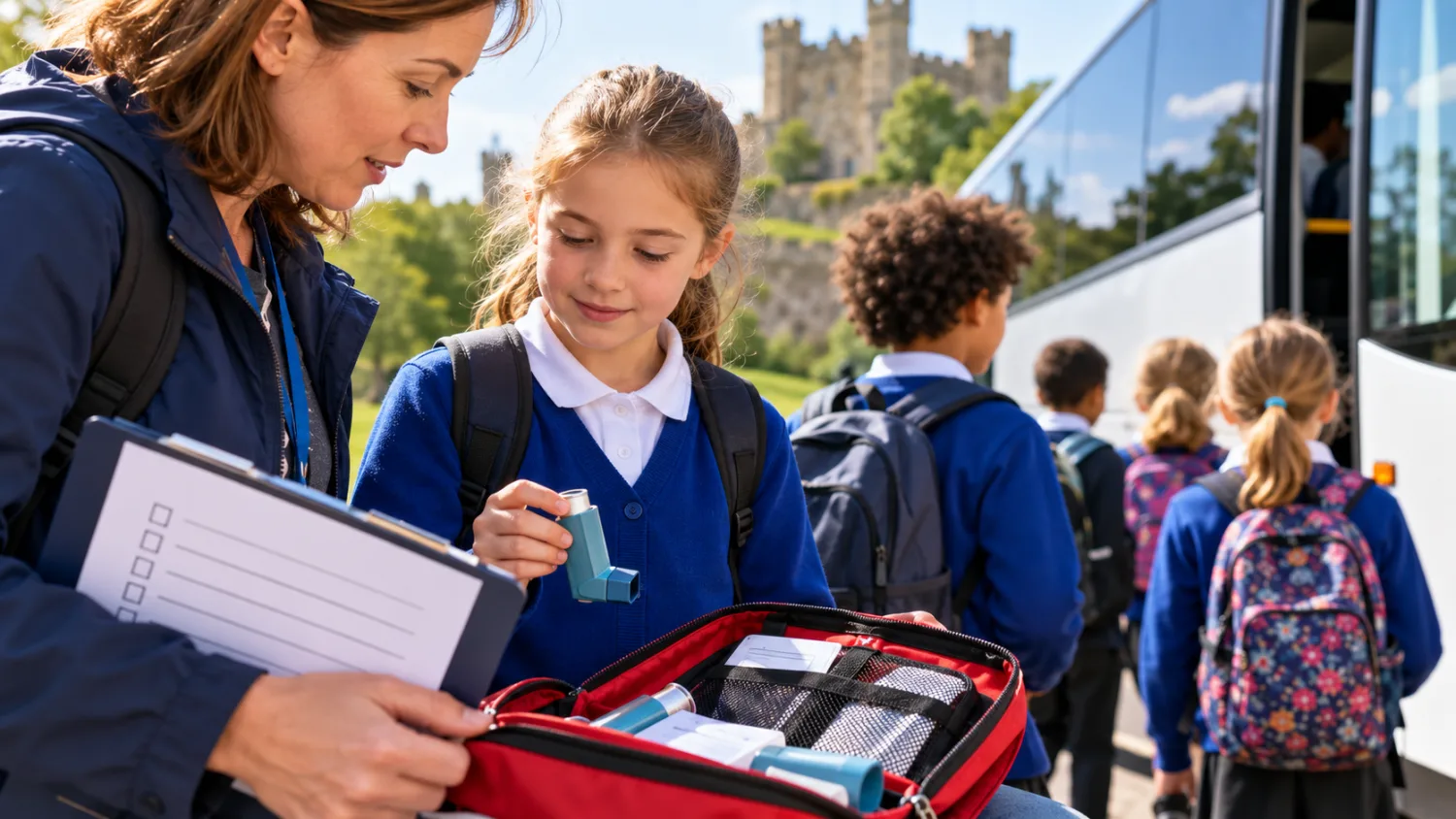
Outdoor visits still need proper planning. Teachers should think about roads, water, weather, toilets, first aid, allergies, uneven ground, supervision, mobile signal, meeting points and what happens if a pupil becomes upset, tired or unwell.
School grounds as a trip without transport
When budgets are extremely tight, it is worth asking whether the school site itself can become the venue.
This may sound too simple, but school grounds can support surprisingly strong learning when pupils are asked to look at them differently. A playground, field, pond, garden, fence line, tree area, car park, old building, boundary wall or even the route around the school can become material for enquiry.
Pupils can carry out a biodiversity survey, map shade and sunlight, investigate drainage, study materials used in buildings, design a better outdoor space, measure noise, observe minibeasts, create a nature trail, write site descriptions or plan improvements for wellbeing and play.
This is not a replacement for all school trips, but it can be a useful option when transport is the biggest barrier. It also works well as preparation for a later visit. Pupils who practise observing, measuring and recording on the school site often behave more confidently when they do fieldwork elsewhere.
If your school is thinking about outdoor learning or sensory-friendly spaces, our guide to creating a sensory-friendly classroom on a budget may also give useful ideas for making environments calmer and more accessible.
Places of worship and community buildings
Places of worship can provide powerful, low-cost learning experiences when visits are planned respectfully and clearly.
Churches, mosques, synagogues, temples, gurdwaras and other religious or community spaces can help pupils understand belief, symbolism, architecture, music, charity, celebration, routine and local identity. They can support RE, history, art, music, citizenship and personal development.
Many places of worship welcome school groups, although arrangements vary. Some may ask for a small donation. Others may offer a free visit led by a volunteer. Teachers should not assume availability; it is always best to contact the venue early and explain the age group, learning purpose and practical needs.
Preparation matters. Pupils should understand expectations around respectful behaviour, clothing, shoes, photography, questions and quiet spaces. The visit should not feel like tourism. It should be a careful encounter with a living community.
Follow-up tasks might include writing a respectful visitor guide, comparing symbols, designing questions and answers, creating artwork inspired by pattern or architecture, or reflecting on how buildings can express identity and belonging.
Local workplaces and public services
Workplace visits can be low-cost, local and highly memorable. They are not only for secondary careers education. Primary pupils can learn a great deal from seeing how real organisations work.
A local bakery, newspaper office, theatre workshop, recycling centre, council building, farm shop, veterinary practice, design studio, university department, fire station, community centre or small manufacturer can show pupils how learning connects to adult life.
These visits can support English through interviewing, note-taking and report writing. They can support maths through money, measurement, stock, data or time. They can support science through materials, animals, food, health, environment or technology. They can support citizenship by showing how services and businesses support the local community.
The benefit is that pupils see real people using skills. They see communication, teamwork, planning, problem-solving and responsibility in action.
Schools should still check safeguarding, supervision, insurance, restricted areas, photography rules, toilets, accessibility and emergency procedures. A low-cost visit must still be a properly organised visit. Our guide to how schools vet external providers can help staff think through the questions to ask before arranging a workplace visit.
Community farms and city farms
Community farms and city farms can be excellent low-cost alternatives to larger rural venues, especially for schools in towns and cities.
They can support science, geography, PSHE, food education, sustainability and wellbeing. Pupils can learn where food comes from, how animals are cared for, how plants grow, how compost works, why green spaces matter and how community organisations support local people.
Some community farms offer free access but charge for guided workshops. Others may offer subsidised sessions or ask for a donation. Even when a workshop has a cost, the overall visit may still be affordable if transport is short or public transport is possible.
Teachers should check handwashing, animal contact rules, allergies, footwear, toilets, lunch space, SEND access, wet-weather plans and staff experience with school groups.
A farm visit works best when pupils follow a process. How does food grow? What does an animal need to stay healthy? What happens to waste? How does weather affect the farm? How is a community farm different from a commercial farm? These questions turn the visit into learning rather than simply animal watching.
Universities, colleges and STEM hubs
Some universities, colleges and STEM organisations offer outreach activities, campus visits, workshops or events for schools. These are often designed to raise aspirations and support curriculum learning, and some may be free or subsidised.
For older primary pupils and secondary students, these visits can be very valuable. Pupils can see laboratories, workshops, libraries, lecture spaces or specialist equipment. They can meet students, researchers, apprentices or lecturers. They can begin to imagine routes into further study and careers they may not have considered.
STEM-focused visits can support science, computing, design technology, engineering, maths and careers education. Arts and humanities outreach can support history, English, languages, media, drama, music and creative subjects.
The key is to look locally. A nearby university or college may be easier and cheaper to access than a major national venue. It may also be more willing to build an ongoing relationship with the school.
Our article on collaborating with local STEM hubs and tech communities may give schools and providers further ideas for building useful education partnerships.
Virtual visits when travel is not realistic
A virtual visit is not the same as taking pupils off site, but it can be a useful low-cost option when travel, staffing or family contributions make a physical visit difficult.
Museums, galleries, heritage organisations, theatres, universities and charities may offer online talks, virtual tours, recorded workshops or live sessions. Some are free. Others cost less than taking a whole class to the venue.
Virtual visits work best when they are treated as real learning events, not background videos. Pupils should prepare questions, have a task during the session and complete meaningful follow-up work afterwards.
This can also be a useful compromise before a future physical visit. A class might meet a museum educator online, explore key vocabulary, learn about a topic, and then visit the venue later in the year with more confidence and purpose.
How to reduce trip costs without reducing quality
Cost-saving is not only about choosing free venues. It is also about making sensible planning decisions.
The biggest saving is often transport. A local visit, walking trip or public transport route may make a trip possible where coach hire would not. Schools can also consider combining year groups, choosing off-peak dates, avoiding peak summer weeks, booking early, sharing transport with another class, or choosing a venue that offers several curriculum links in one day.
Self-led visits can also reduce costs, but only if teachers prepare them properly. A paid workshop may be worth the money if it gives pupils expert input and reduces staff workload. A self-led visit may be better value if staff know the venue well and can create a focused enquiry.
Schools should also look for bursaries, subsidies, local grants, PTA support, community sponsorship or partnership opportunities. Some venues and charities offer support for schools with higher levels of disadvantage, but these opportunities may require early booking.
If your school is trying to fund enrichment without putting pressure on families, our guide to creative fundraising ideas for schools that actually work may help.
Do not cut the wrong corners
When budgets are tight, it can be tempting to cut anything that feels like extra admin. But the essentials still matter.
A low-cost trip still needs a clear purpose, approval from the school, suitable supervision, risk assessment, parent communication, medical information, safeguarding arrangements, accessibility planning and a realistic timetable.
The cost may be low, but the responsibility is the same.
This is especially important for informal local visits. A walk to the park or library may feel simple, but staff still need to think about roads, group control, toilets, weather, first aid, emergency contacts and pupils who may need additional support.
If pupils with SEND are attending, plan adjustments from the start. This may include quiet spaces, visual timetables, accessible routes, extra adult support, sensory preparation or clear information for families. Our guide to SEN Support and EHCPs may help staff think through what pupils may need to access the visit successfully.
Make the follow-up do more of the work
One of the best ways to get more value from a low-cost trip is to use it properly afterwards.
A visit to a local park can lead to a science investigation, persuasive letter about litter, map work, poetry, data handling and art. A library visit can lead to book reviews, author studies and reading recommendations. A museum visit can lead to historical enquiry, object descriptions, timelines and exhibition design. A workplace visit can lead to interviews, reports, careers work and maths problems based on real data.
The follow-up is what makes the trip more than a cheap day out. It turns experience into learning.
Before the visit, decide what pupils will do afterwards. This does not need to be complicated, but it should be purposeful. Ask pupils to use what they saw, heard, measured, noticed or questioned. That is where the real educational value often appears.
Low-cost school trip ideas by curriculum area
If you are looking for a starting point, these broad ideas can help match budget-friendly venues to curriculum needs.
Science
Local parks, ponds, nature reserves, forests, community farms, science museums, university outreach sessions, recycling centres and school grounds can all support science learning. Pupils can study habitats, plants, animals, materials, forces, sustainability, food chains, rocks, fossils and working scientifically.
History
Local museums, archives, English Heritage sites, town walks, churches, war memorials, old buildings and heritage trails can support historical enquiry. Pupils can investigate evidence, chronology, local history, changes over time and the lives of people in different periods.
Geography
Rivers, canals, parks, high streets, transport routes, coastlines, housing areas, local shops, farms and school grounds can all become geography fieldwork sites. Pupils can study land use, maps, human and physical features, environmental quality, traffic, settlement and change.
English
Libraries, theatres, museums, galleries, outdoor spaces, workplaces and local landmarks can all support writing and speaking. Pupils can write reviews, reports, poems, persuasive letters, interviews, diaries, descriptions and visitor guides.
Art and design
Galleries, sculpture trails, architecture walks, parks, museums, craft studios and public art can help pupils observe, sketch, compare materials, discuss meaning and respond creatively to place.
Careers and personal development
Local workplaces, colleges, universities, public services, community organisations and charities can help pupils understand jobs, skills, teamwork, responsibility and routes into future learning.
Final thought
A tight budget does not have to mean a poor school trip. It does mean teachers need to be more intentional.
The best free and low-cost visits are built around strong questions, local opportunities and clear follow-up. They do not rely on expensive attractions to make learning meaningful. They use places, people, objects and environments that pupils can observe directly.
A free museum, a nearby river, a local archive, a community farm, a library, a workplace, a place of worship or even the school grounds can all become powerful learning spaces when the visit is planned well.
Pupils do not always remember how much a trip cost. They remember what surprised them, what they saw for the first time, what they were allowed to investigate, and how the day helped them understand something they had only met in the classroom before.
That is the real aim of a budget-conscious school trip: not to do less, but to make every pound work harder for pupils’ learning.