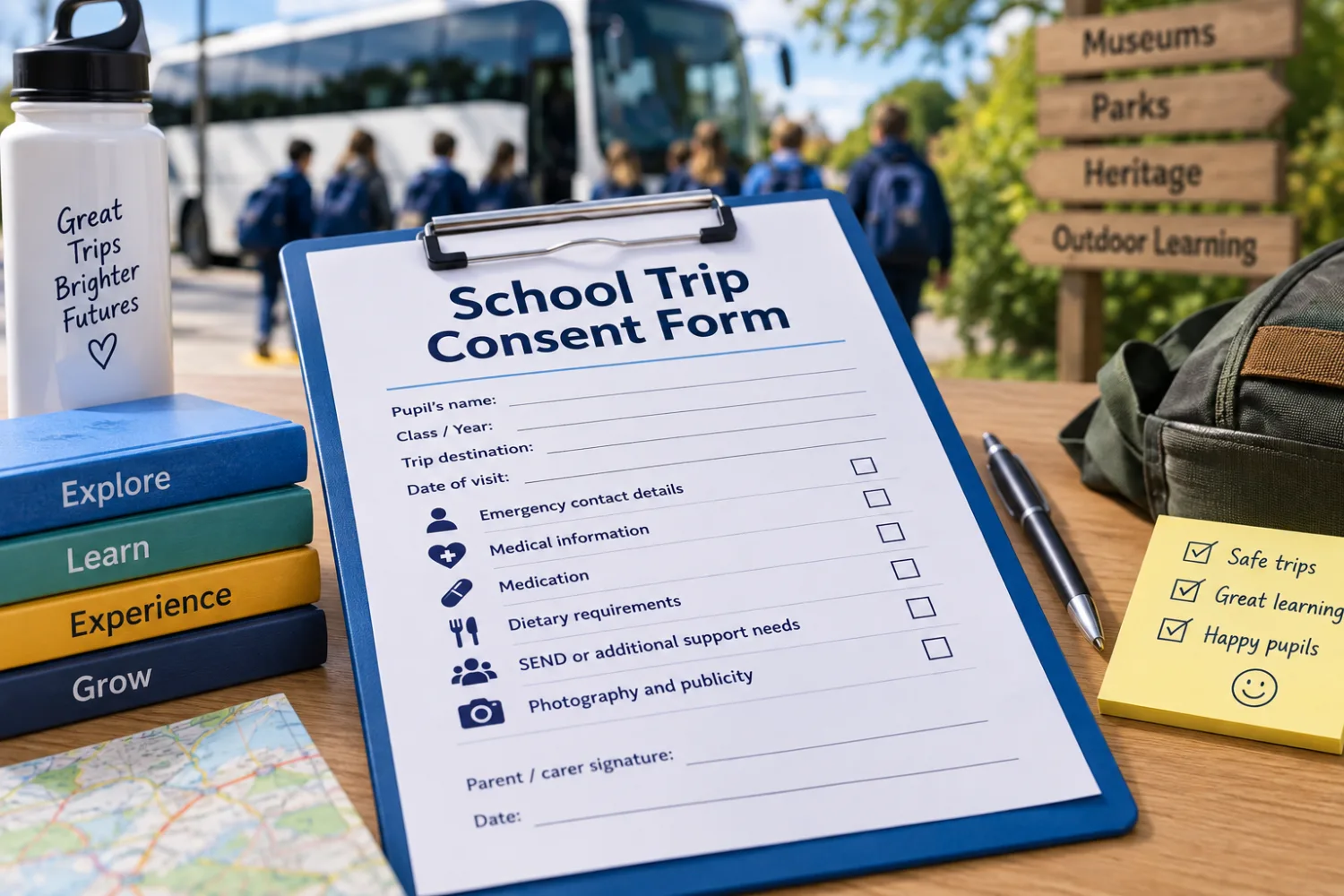
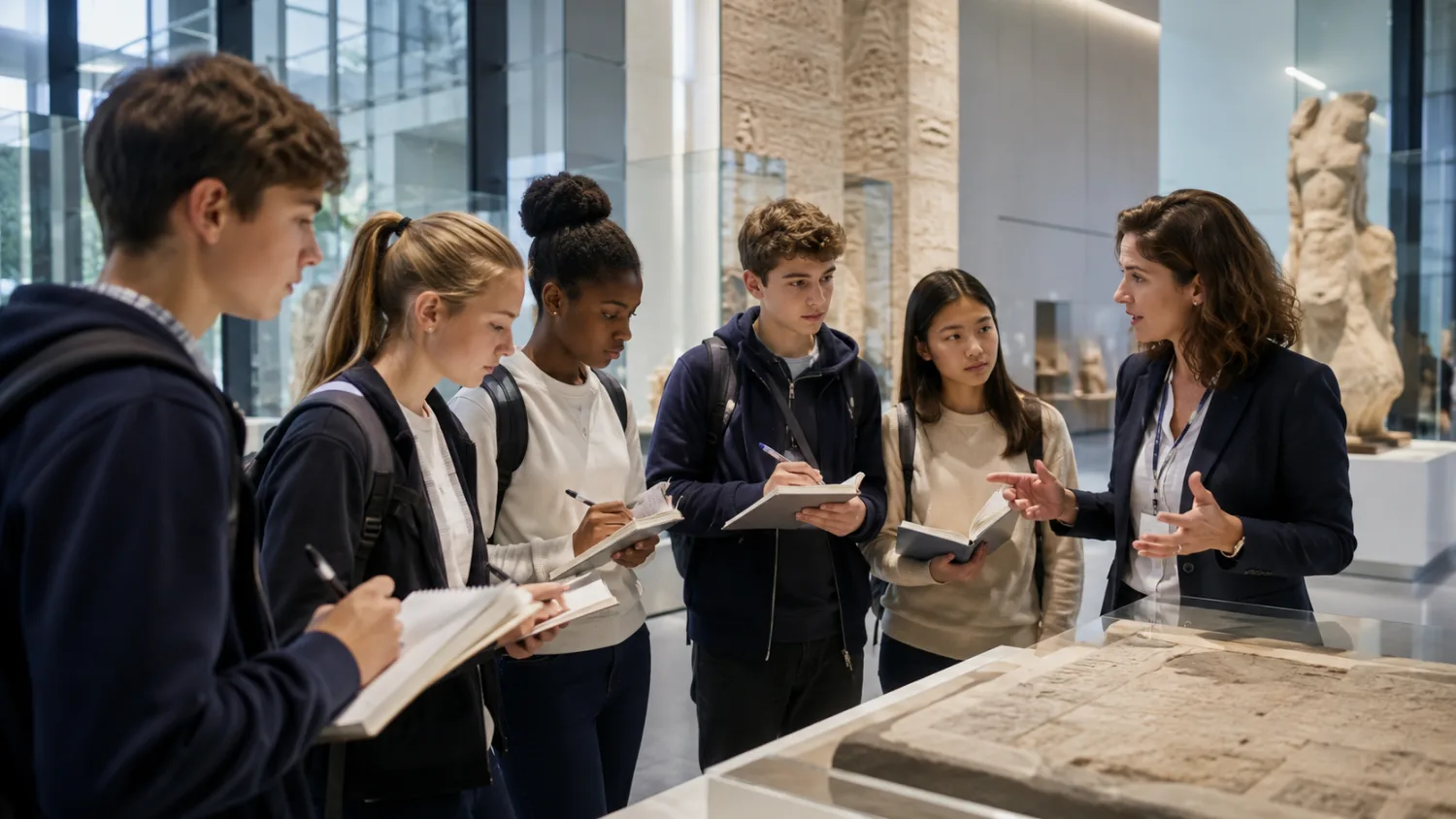
Secondary school trips need to do more than entertain pupils for a day. By the time pupils reach Key Stage 3, Key Stage 4 and sixth form, educational visits need to feel relevant, age-appropriate and worth the time away from lessons. A good trip can deepen curriculum understanding, support GCSE or A level topics, raise aspirations, build independence, connect pupils with careers and give them experiences they would not get inside the classroom.
The challenge is that secondary pupils are not always impressed by venues that work well for younger children. They need more depth, more independence, more challenge and a clearer reason for being there. A venue that feels too childish can lose them quickly. A visit that is too passive can feel like wasted time. But when the venue is right, secondary pupils can respond brilliantly.
The best secondary school trip venues give pupils something real to investigate, question, test, debate, perform, measure, create or experience. They help pupils see how classroom subjects connect to the world beyond school.
If you are planning for younger pupils as well, our guide to the best school trip ideas for KS1 explains how venues need to adapt for younger learners. Secondary visits need a different approach: more subject depth, stronger links to future choices and more respect for pupils’ growing independence.
What makes a good secondary school trip?
A good secondary school trip has a clear purpose. That purpose might be curriculum learning, fieldwork, careers education, cultural capital, enrichment, teamwork, wellbeing, transition, personal development or preparation for exams. The purpose should be clear before the venue is booked.
Secondary trips work best when pupils understand why they are going. A Year 8 visit to a science centre may support forces, space or energy. A Year 10 geography trip may provide required fieldwork experience. A theatre visit may support GCSE English Literature. A university visit may raise aspirations. A workplace visit may help pupils understand routes into engineering, healthcare, digital, construction, law, finance, hospitality or the creative industries.
The best venues also respect pupils’ age. Teenagers usually do not want to be spoken to like primary pupils. They need clear expectations, but they also need sessions that allow them to think, ask questions and engage with real issues.
Teachers should look for venues that can explain what pupils will learn, how activities link to the curriculum, how sessions are adapted for different year groups, and how the visit will remain purposeful for older learners.
1. Science centres, observatories and STEM venues
Science and STEM venues can be excellent for secondary schools because they make abstract topics visible and practical. Pupils can explore physics, chemistry, biology, space, engineering, robotics, medical science, energy, climate, materials, electronics, computing and design in ways that are difficult to recreate in a normal classroom.
A good STEM visit should not feel like a primary-style “wow” day with buttons and displays only. Secondary pupils need challenge. They may benefit from workshops, live demonstrations, practical investigations, lab-style activities, engineering design tasks, coding challenges, planetarium sessions, medical simulations, forensic science workshops or talks from people working in STEM careers.
These visits can support Key Stage 3 science, GCSE science, computer science, design and technology, maths and careers education. They can also be powerful for pupils who do not yet see themselves as “science people”. Seeing real engineers, technicians, researchers or healthcare scientists can widen pupils’ understanding of where STEM subjects can lead.
Teachers should ask whether the venue can pitch sessions to the right level. A Year 7 forces workshop, a Year 10 electricity session and a sixth form medical science activity need different depth. Strong venues will ask what pupils are studying before the visit and adapt accordingly.
Our guide to collaborating with local STEM hubs and tech communities may also be useful if your school wants to build longer-term STEM links beyond one-off trips.
2. Geography fieldwork sites
Geography is one of the strongest subjects for secondary school trips because fieldwork is central to understanding place, environment and human impact. Pupils can gather real data, compare locations and test ideas outside the classroom.
Suitable geography venues include rivers, coasts, urban centres, rural villages, national parks, nature reserves, regeneration areas, shopping districts, flood management schemes, transport hubs, farms, quarries, weather stations and environmental centres.
A good geography trip should involve enquiry. Pupils might investigate river processes, coastal management, urban change, tourism, land use, environmental quality, microclimates, biodiversity, traffic, housing, regeneration or the impact of human activity on natural systems.
The best trips are not simply walks with worksheets. They teach pupils how to collect evidence, question reliability, interpret data and understand complexity. They also help pupils see that geography is not only maps and case studies. It is the world around them.
Teachers should check access, safety near water or roads, weather plans, toilets, lunch, public spaces, group supervision and how data collection will be structured. If the trip is linked to GCSE fieldwork, the learning purpose needs to be especially clear.
3. History museums, heritage sites and battlefields
Secondary history trips can bring depth and emotional weight to topics that may otherwise feel distant. Museums, archives, castles, historic houses, industrial heritage sites, war memorials, battlefields, local history centres and places of worship can all support powerful learning.
For secondary pupils, the key is interpretation. They should not only be told what happened. They should be encouraged to think about evidence, perspective, cause, consequence, change, continuity, significance and memory.
A visit to an industrial heritage site can support work on the Industrial Revolution, labour, class, technology and urban growth. A local archive can help pupils explore how national history appears in their own area. A battlefield or war museum can support work on conflict, remembrance, propaganda and the experiences of soldiers and civilians.
Good venues for secondary history should offer more than a general tour. Workshops using sources, artefacts, testimonies, maps, photographs, court records, newspapers or oral histories can make pupils think like historians.
Teachers should also consider emotional preparation. Some history visits involve sensitive topics such as war, persecution, slavery, poverty, migration or injustice. Pupils may need context before the visit and time to reflect afterwards.
4. Theatres, arts venues and performance spaces
Theatre and arts trips can be especially valuable for secondary pupils studying English, drama, music, dance, art, media or creative subjects. A live performance can change how pupils understand a play, poem, character, theme, staging choice or audience response.
For GCSE and A level pupils, theatre visits can support set texts, live theatre evaluation, drama analysis and creative writing. For younger secondary pupils, performances can build cultural capital, vocabulary, empathy and confidence discussing ideas.
Arts venues may also offer workshops in acting, directing, backstage production, lighting, sound, costume, set design, writing, music production, dance or visual arts. These can open pupils’ eyes to creative careers they may not have considered.
Teachers should ask about age suitability, running time, content warnings, seating, transport timing, workshop options, access, quiet spaces, relaxed performances and whether learning resources are available.
A theatre trip works best when pupils are prepared before they go. They should know the context, key characters, themes or performance conventions, but still have room to respond personally to what they see.
5. Universities, colleges and apprenticeship providers
Visits to universities, further education colleges and apprenticeship providers can be extremely useful for secondary pupils, especially from Year 9 onwards. They help pupils imagine future routes more clearly.
A university visit can support aspiration, subject choices, study skills and understanding of higher education. Pupils may tour a campus, meet student ambassadors, attend a taster lecture, visit labs, explore accommodation, ask questions about finance, or learn about different degree routes.
College and apprenticeship visits can be just as important. They can show pupils technical routes, vocational courses, T Levels, apprenticeships, practical facilities, employer links and careers that do not require a traditional university pathway.
These visits should avoid becoming generic recruitment talks. Pupils need honest, practical information: what subjects matter, what entry routes exist, what student life is like, how finances work, what support is available, and what different pathways can lead to.
Teachers should consider timing carefully. Year 7 and Year 8 visits may be about aspiration and possibility. Year 9 visits can support options choices. Year 10 and Year 11 visits can link to post-16 decisions. Sixth form visits can support applications and subject choices.
6. Workplace visits and employer encounters
Workplace visits can be among the most powerful secondary school experiences because they help pupils connect learning to real people, real jobs and real environments.
Suitable venues might include hospitals, engineering firms, law offices, theatres, hotels, factories, laboratories, construction sites, design studios, universities, local councils, media companies, farms, logistics centres, environmental organisations, care providers, banks, software companies, museums, charities and public services.
A strong workplace visit should be structured around learning, not just a walk through the building. Pupils should understand what the organisation does, which roles exist, what skills are valued, what routes into the sector are possible, and how school subjects connect to the work.
Employer encounters can support careers education, Gatsby Benchmark aims, curriculum learning and motivation. They are especially valuable when pupils meet employees from different backgrounds and hear honest stories about pathways, setbacks, qualifications and skills.
Businesses that want to host schools should keep sessions realistic. Pupils need clear safeguarding arrangements, a safe route, age-appropriate language, interactive tasks, time for questions and practical information about careers. A workplace visit should not feel like a sales presentation.
If your school wants to build more local partnerships, our article on bringing the real world into the classroom through business partnerships may help.
7. Outdoor education centres and residential trips
Outdoor education centres and residential trips can be highly effective for secondary pupils, especially when the aim is teamwork, confidence, resilience, leadership or transition.
Activities might include climbing, canoeing, orienteering, archery, bushcraft, mountain walking, team challenges, raft building, camping, problem-solving, navigation or environmental fieldwork. These experiences can be particularly useful for Year 7 transition, Year 9 personal development, GCSE PE, geography fieldwork, Duke of Edinburgh preparation or post-exam enrichment.
The value of outdoor education is not only the activity itself. It is the reflection around it. Pupils can consider how they handled challenge, how they communicated, what helped them trust others, how they responded to failure and what they learned about themselves.
Residentials need careful planning around safeguarding, accommodation, night-time supervision, medical needs, food, allergies, SEND, behaviour, phones, homesickness, emergency procedures and staff roles.
For outdoor and forest-based trips, see our guide to the best outdoor learning and Forest School trip venues in the UK.
8. Environmental, sustainability and climate venues
Sustainability is relevant across the secondary curriculum. Environmental centres, recycling facilities, renewable energy sites, nature reserves, farms, water treatment works, eco-buildings, climate education centres and conservation projects can help pupils understand environmental issues in practical ways.
Pupils can explore biodiversity, waste, pollution, energy, climate change, food systems, water, land use, carbon, conservation and sustainable design. These visits can link to science, geography, citizenship, design and technology, business studies and ethics.
The best sustainability trips avoid vague messages. They give pupils something specific to analyse: how waste is sorted, how energy is generated, how habitats are managed, how water is cleaned, how buildings reduce energy use, or how organisations make difficult environmental decisions.
These venues can also support pupil-led action back at school. After the visit, pupils might audit waste, design a biodiversity plan, campaign for energy saving, investigate school travel or create a climate communication project.
9. Law courts, parliament, councils and citizenship venues
Citizenship venues can help secondary pupils understand democracy, law, rights, responsibilities and public decision-making. Visits might include local councils, Parliament, courts, police museums, civic centres, campaign organisations, charities or debating chambers.
These trips can support citizenship, history, politics, law, PSHE, English and careers. Pupils can learn how decisions are made, how laws affect daily life, how public services work and how young people can participate in society.
A strong citizenship trip should encourage questions and debate. Pupils might discuss voting, justice, protest, human rights, local issues, media influence, public spending or the role of elected representatives.
Teachers should prepare pupils carefully if the visit involves formal settings such as courts, council chambers or parliamentary spaces. Behaviour expectations, security procedures and sensitive topics should be explained before arrival.
10. Creative industry and media venues
Creative industry visits can be highly engaging for secondary pupils because they connect art, media, music, design, English, computing and business to real careers.
Suitable venues might include film studios, theatres, animation studios, design agencies, recording studios, galleries, publishing organisations, marketing agencies, game development studios, photography studios, print workshops, museums or local media companies.
These visits can show pupils that creative work involves more than talent. It also involves deadlines, teamwork, technical skills, problem-solving, communication, client briefs, budgeting, editing, research and resilience.
For GCSE and A level pupils, creative industry visits can support portfolios, coursework, analysis, inspiration and understanding of professional practice. For younger pupils, they can broaden ideas about future careers.
Teachers should ask whether pupils will have a practical task, meet professionals, see behind the scenes, or simply receive a tour. Secondary pupils usually gain more from active involvement than from a passive presentation.
11. Places of worship and religious studies visits
Places of worship can offer meaningful learning for secondary pupils studying religious education, philosophy, ethics, citizenship and community cohesion.
Visits to churches, mosques, synagogues, temples, gurdwaras, mandirs, Buddhist centres or interfaith organisations can help pupils understand belief, practice, symbolism, worship, community, identity and diversity.
For secondary pupils, the visit should go beyond naming features of a building. It should help them ask deeper questions: how do beliefs shape daily life? What does worship mean to different people? How do communities support their members? How do religious and non-religious views influence ethical choices?
Teachers should prepare pupils respectfully. Dress expectations, behaviour, photography, questions, gender arrangements, shoes, head coverings and sensitive topics should be discussed in advance where relevant.
12. Galleries, design museums and architecture visits
Galleries, design museums and architecture visits can support art, design and technology, photography, textiles, product design, history, English and media studies.
Secondary pupils can analyse how artists and designers use materials, colour, space, audience, function, symbolism and context. They can sketch, critique, compare, photograph, write responses, create design briefs or develop ideas for coursework.
Architecture visits can be especially useful because buildings are all around pupils but often go unnoticed. Pupils can examine structure, materials, public space, sustainability, accessibility, heritage, regeneration and how design affects human behaviour.
A good creative visit should give pupils permission to look slowly. Teenagers may need help discussing art and design confidently. The best venues create space for interpretation rather than telling pupils there is only one correct answer.
13. Sports venues and performance environments
Stadiums, sports science centres, leisure facilities, professional clubs and performance venues can support PE, biology, psychology, business studies, media, careers and personal development.
Pupils can explore training, nutrition, injury prevention, sports technology, coaching, event management, media, marketing, finance, facilities management and community outreach. A stadium tour can become much more educational when it includes careers, business operations or sports science.
These visits can also motivate pupils who may not connect strongly with traditional classroom learning. Sport can be a route into discussions about teamwork, discipline, leadership, wellbeing, inclusion and career pathways beyond becoming an athlete.
Teachers should ask whether the visit includes curriculum-linked workshops or only a tour. For secondary schools, the added learning layer is important.
14. Local area investigations
Some of the best secondary school trips do not require a famous venue at all. A local area study can be highly effective when it is planned well.
Pupils might investigate traffic, housing, public spaces, land use, litter, air quality, local businesses, architecture, heritage, biodiversity, flood risk, transport links, inequality or how their town has changed over time.
Local investigations can support geography, history, citizenship, maths, science, English, art, business studies and sociology. They also help pupils see their own community as something worth studying.
The advantage is cost. Local visits can reduce transport expenses and make repeat fieldwork more realistic. The challenge is planning. Public spaces require clear supervision, boundaries, behaviour expectations and risk assessment.
A local trip is not “lesser” because it is nearby. It can be more meaningful because pupils already have a relationship with the place.
How to choose the right venue for a secondary school trip
The best venue depends on the purpose of the visit. Teachers should begin with the learning or development goal, not the attraction name.
If the goal is curriculum depth, choose a venue that can support the subject properly. If the goal is careers, choose a workplace or provider that lets pupils meet real employees and understand pathways. If the goal is confidence, choose a venue that includes challenge and reflection. If the goal is GCSE preparation, choose a visit that directly supports required knowledge, skills or fieldwork.
Secondary pupils are quick to notice when a trip feels like filler. They are also quick to engage when they can see the relevance.
Teachers should ask: what will pupils know, understand, feel, practise or question because of this visit? If that answer is vague, the trip may need rethinking.
Questions to ask before booking a secondary school venue
Before booking, ask whether the venue regularly works with secondary schools and which year groups it supports. A provider that is excellent with primary pupils may not automatically have the right tone or depth for Year 9, Year 11 or sixth form.
Ask what the session includes, how it links to the curriculum, whether it can be adapted to your topic, what pre-visit and follow-up resources are available, and whether pupils will be active or mainly listening.
Practical questions still matter. Check cost, transport, toilets, lunch, accessibility, quiet spaces, SEND adjustments, safeguarding, staff roles, risk assessment information, cancellation terms and wet-weather plans.
For a fuller list, see our guide to questions every teacher should ask before booking a school trip venue.
Planning for SEND and inclusion
Secondary pupils with SEND may need support that looks different from primary provision. Some pupils will want support to be discreet. Some may need preparation around transport, crowds, noise, unstructured time, lunch, toilets or changes to routine. Others may need mobility support, medical planning, communication support, quiet spaces or adapted activities.
Do not assume older pupils will simply “manage”. Teenagers may mask anxiety or sensory overload until they reach crisis point. They may also be more conscious of standing out from peers, so support needs to be planned sensitively.
A good venue should be able to explain accessibility, sensory factors, seating, quiet spaces, walking distances, lifts, toilets, public access and whether activities can be adapted.
Our guide to how to make a school trip work for pupils with SEND gives practical advice on preparation, quiet spaces, staff support, transport and reasonable adjustments.
How venues can attract more secondary school bookings
Venues that want to attract secondary schools need to show that their offer is not only suitable for younger children.
A strong secondary school visits page should clearly explain year group suitability, subject links, GCSE or A level relevance, workshop options, careers links, session length, costs, facilities, safeguarding, risk information, accessibility and how the visit can be adapted.
Secondary teachers are often under pressure to justify time out of lessons. They need to show that a visit supports curriculum aims, personal development, fieldwork, careers or enrichment. The more clearly a venue explains those outcomes, the easier it is for a teacher to make the case internally.
Venues should also avoid patronising language. Secondary pupils need sessions that respect their age, intelligence and independence. A venue that can handle Year 10s well is not always the same as a venue that can host Year 3s well.
Our guide to requirements for businesses working with schools may help providers understand what schools need before approving an external organisation.
FAQ: secondary school trip venues
What are the best school trip ideas for secondary schools?
Good secondary school trip ideas include science centres, geography fieldwork sites, museums, theatres, universities, colleges, workplaces, outdoor education centres, environmental venues, courts, councils, galleries, sports venues and local area investigations. The best choice depends on the subject, year group and purpose of the visit.
What makes a secondary school trip different from a primary trip?
Secondary trips usually need more subject depth, age-appropriate challenge, independence, careers relevance and clearer links to curriculum or personal development. Older pupils are less likely to engage with visits that feel too childish or passive.
Are workplace visits good for secondary pupils?
Yes. Workplace visits can help secondary pupils understand careers, skills, qualifications and how school subjects connect to real jobs. They work best when pupils meet employees, ask questions and take part in a structured activity rather than simply receiving a tour.
What school trips support GCSE subjects?
GCSE-linked trips may include geography fieldwork, theatre visits for English or drama, science centre workshops, history museums, art galleries, religious studies visits, PE and sports science venues, and workplace visits linked to business, design, computing or vocational pathways.
How can teachers justify taking secondary pupils out of lessons?
Teachers can justify a visit more easily when the purpose is clear. The trip should support curriculum knowledge, required fieldwork, exam preparation, careers education, personal development or enrichment that cannot be delivered as effectively in the classroom.
What should secondary teachers ask before booking a venue?
Teachers should ask about year group suitability, curriculum links, session depth, workshop content, careers links, SEND access, safeguarding, risk assessment information, facilities, cost, transport, lunch arrangements, cancellation terms and whether the session can be adapted to the class topic.
Are residential trips worth it for secondary schools?
Residential trips can be very worthwhile when they support clear aims such as fieldwork, outdoor learning, confidence, teamwork, independence, transition or personal development. They require more planning than day visits, especially around safeguarding, accommodation, medical needs and staff roles.
How can venues make their offer more attractive to secondary schools?
Venues should clearly show subject links, year group suitability, GCSE or A level relevance, career connections, activity structure, practical facilities, SEND support, risk information, pricing and example timetables. Secondary teachers need evidence that the visit is worth curriculum time.
Final thought
The best secondary school trips help pupils make connections. They connect subjects to real places, knowledge to experience, classroom learning to future choices, and young people to the wider world.
A successful visit does not need to be expensive or spectacular. It needs to feel purposeful, age-appropriate and worth the time. A local workplace, river study, theatre performance, gallery, university, court, science centre or outdoor education venue can all be powerful when the purpose is clear.
For teachers, the task is to choose venues that respect older pupils and support meaningful learning. For venues, the opportunity is clear: secondary schools need high-quality, curriculum-aware and careers-linked experiences, but they need practical information before they can book.
When the match is right, a secondary school trip becomes more than a break from lessons. It becomes a moment where pupils see why their learning matters.