Some school trips are useful. Some are fun. And then there are the ones pupils still talk about years later.
Those memorable visits are not always the most expensive, the furthest away or the most famous. Often, they are the trips that give pupils a real story to tell when they get home: the day they watched a falcon fly inches above their heads, stepped inside a Victorian street, stood in a rainforest biome, handled museum objects, visited a working farm, or saw a craftsperson turn raw material into something beautiful.
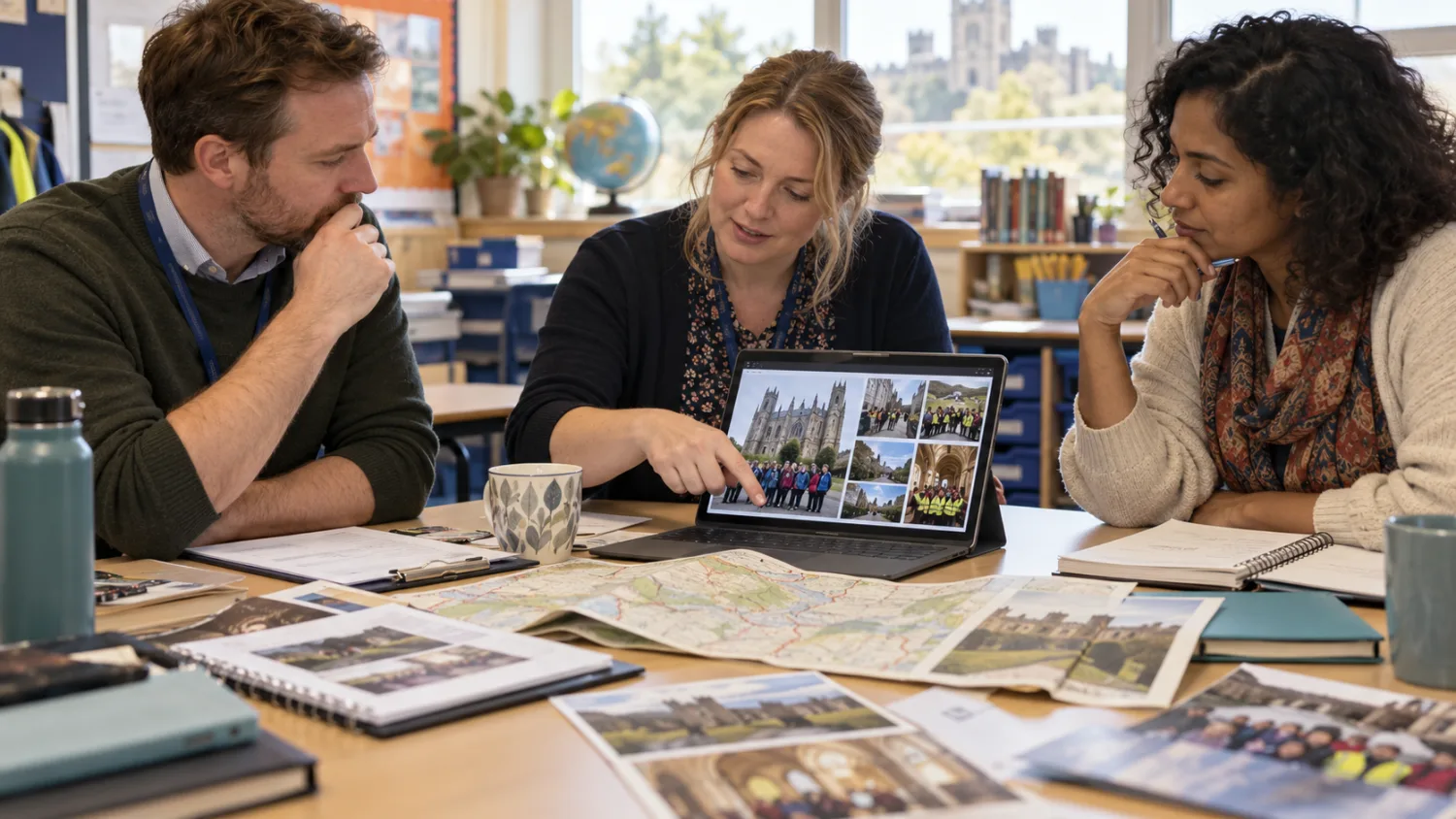
For teachers, the challenge is finding visits that are exciting without becoming impossible to organise. A good school trip still needs to be safe, purposeful, inclusive and realistic for the school budget. It needs to support learning, not simply fill a day. It needs to work for pupils with different needs, for staff who already have full workloads, and for families who may be worried about cost.
But within those practical limits, there is still plenty of room to be imaginative.
This guide looks at ten unusual school trip ideas for UK schools. Some are ideal for primary pupils, some suit secondary students, and many can be adapted across key stages. The aim is not just to suggest places to go, but to help teachers think about what makes a visit genuinely memorable.
If you are planning a visit for the first time, it is worth reading our guide to planning safe and educational school trips in the UK alongside this article. A creative idea becomes much easier to approve when the learning purpose, supervision, risk assessment and practical arrangements are clear from the start.
1. Falconry and birds of prey experiences
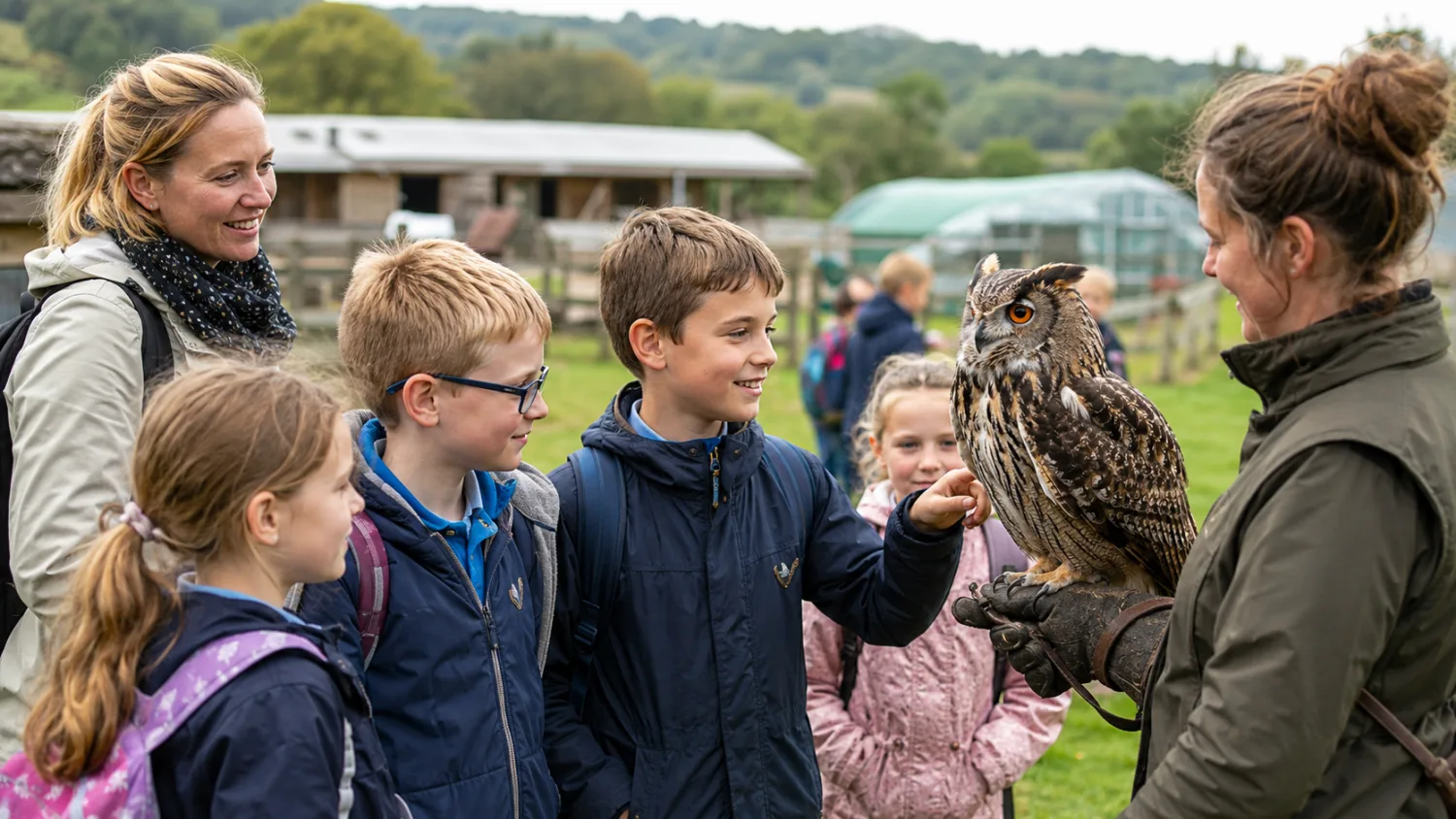
A falconry visit has the kind of impact that is hard to recreate in the classroom. Pupils can read about wings, talons, food chains and habitats, but seeing a bird of prey up close gives those ideas a different weight. The size of an owl’s eyes, the silence of its flight, the speed of a falcon or the focus of a hawk can turn an ordinary science topic into something pupils remember.
For primary schools, falconry can link naturally to animals, habitats, life cycles, adaptation, food chains and local wildlife. For secondary pupils, it can support ecology, conservation, animal behaviour, land management and environmental ethics. It can also work well as a writing stimulus. Pupils who struggle to write from imagination often find it easier when they have seen, heard and felt something real.
One reason falconry works so well is that it feels unusual without needing to be chaotic. Many centres offer structured school sessions, and some providers can bring birds to the school site. That can be useful for schools that want the impact of an external visit without the cost and logistics of coach travel.
Teachers should look for providers who understand how to work with school groups, not just general visitors. The best sessions are not simply displays. They explain why different birds hunt in different ways, how they are adapted to their environments, what threats they face, and what conservation means in practice.
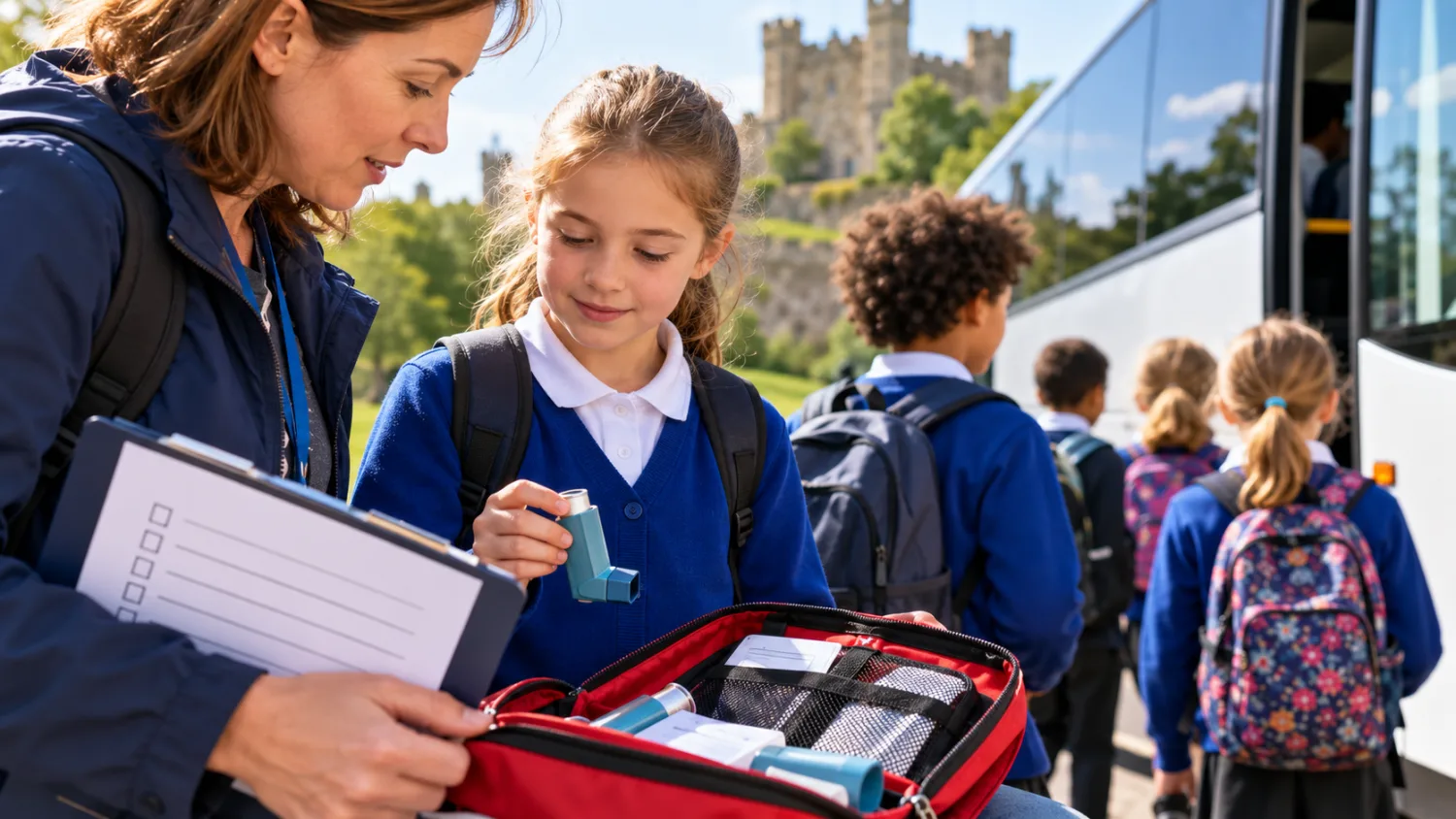
Before booking, schools should also check the practical side: insurance, supervision expectations, animal welfare, accessibility, noise levels, wet-weather arrangements and whether pupils with sensory needs can be supported. If your school is comparing external providers, our guide to how schools vet external providers is useful background.
2. Working farms that show where food really comes from
Farm visits are sometimes seen as a classic primary school trip, but a good working farm visit can be far richer than simply seeing animals. It can help pupils understand food, land, weather, labour, machinery, seasonality, sustainability and the link between local choices and wider systems.
For younger pupils, the value is often immediate. Milk, eggs, fruit, vegetables, wool and grain stop being abstract supermarket products and become part of a real process. Pupils begin to see that food has a journey before it reaches a plate.
For older pupils, a farm visit can support geography, science, design and technology, business studies and citizenship. It can open conversations about food miles, animal welfare, climate, soil health, rural employment, supply chains and the economics of food production.
The best farm trips usually involve more than looking over a fence. Pupils might see a milking parlour, compare crops, learn about composting, explore machinery, talk about animal care or investigate how weather affects farming decisions. The visit becomes memorable because pupils can connect classroom ideas to sights, smells, textures and real people doing real work.
Farms that host schools need excellent hygiene and safety procedures, especially around handwashing, animal contact, uneven ground, allergies and lunch areas. Teachers should ask these questions before booking rather than assuming they will be covered. For schools planning visits with pupils who have additional needs, our article on SEN Support and EHCPs may also help staff think through reasonable adjustments and communication with families.
3. Zoos, safari parks and conservation centres
A zoo or safari park visit can be much more than a day of looking at animals. At its best, it helps pupils understand habitats, adaptation, extinction, biodiversity, conservation, climate change and the responsibilities humans have towards the natural world.
Larger venues such as Whipsnade Zoo and Woburn Safari Park can feel especially memorable because pupils move through large landscapes rather than only walking past small displays. They see animals in different environments, compare behaviour and begin to ask why species live, move and feed in different ways.
For primary pupils, the curriculum links are obvious: animal groups, habitats, food chains, lifecycles and rainforests. For secondary students, the visit can go deeper into biology, geography, environmental science, ethics and careers. Pupils can consider not only what animals are like, but what modern conservation organisations are for.
The most successful visits are planned around a question. Instead of simply asking pupils to “look at the animals”, teachers might ask: how are these animals adapted to survive? Which species are most affected by habitat loss? What does a modern zoo do beyond public display? How do conservation messages persuade visitors to care?
This turns the visit from a pleasant day out into an investigation. Pupils are not passive spectators; they are noticing, comparing, questioning and forming opinions.
4. Living history museums and reconstructed streets
History becomes easier to understand when pupils can walk through it. A reconstructed street, an old shop, a period classroom, a mine, a mill or a wartime home can do something a textbook cannot: it makes the past feel lived in.
Living history museums are powerful because pupils notice the small details. The size of a desk. The sound of a workshop. The smell of coal smoke. The clothes people wore. The work children might have done. The difference between rich and poor households. These details help pupils understand that history is not only dates and famous people. It is ordinary life, changed by time.
Beamish Museum is one of the strongest examples of an immersive school visit in the UK, with period settings and education activities that help pupils explore life in the North East across different eras. Places such as Ironbridge Valley of Invention can also help pupils connect industry, invention, transport, local geography and social change.
These trips are particularly useful when teachers want pupils to understand cause and consequence. The Industrial Revolution, Victorian childhood, wartime evacuation, mining communities and post-war Britain all become clearer when pupils can compare the past with their own daily lives.
A good follow-up task can make the visit even stronger. Pupils might write a diary entry from the perspective of a child in another period, create a museum label, compare two homes, design a historical enquiry question or explain how one invention changed everyday life.
5. Glassblowing, pottery, printmaking and traditional craft workshops
Some school trips are memorable because pupils see a place. Others are memorable because they see a skill.
Glassblowing, pottery, blacksmithing, weaving, printmaking, bookbinding, silversmithing and other craft experiences can be fascinating because pupils watch materials change in front of them. Heat, pressure, movement, tools, timing and judgement all become visible.
A glassblowing demonstration, for example, can support science through materials, states of matter and temperature. It can support art through colour, shape and design. It can support history through local industry, trade and manufacturing. Most importantly, it shows pupils that knowledge is not only something written in books. It can live in hands, tools and repeated practice.
This kind of visit can be especially valuable for pupils who do not always connect with purely classroom-based learning. Watching a craftsperson work introduces a different form of excellence. Pupils see patience, precision, failure, correction and pride in a finished object.
If the venue offers a hands-on workshop, even a simple one, the experience becomes stronger. A pupil who makes a tile, print, pot, badge, sketchbook or small object has something physical to remember the visit by. That object can become a prompt for writing, evaluation, display work or discussion back at school.
6. Rainforest, climate and sustainability visits
Climate change and sustainability can feel abstract until pupils step into a place where those ideas become physical. A rainforest biome, sustainable farm, recycling centre, local energy project, nature reserve or eco-building can help pupils see that environmental issues affect food, water, homes, transport, jobs and communities.
The Eden Project is one of the best-known UK examples. Its school visits connect plants, ecosystems, climate, sustainability and global interdependence in a way pupils can feel as well as understand. Moving between different environments helps pupils notice temperature, humidity, plant life and human use of natural resources.
Sustainability visits work best when pupils are given a practical challenge. They might design a more sustainable school lunch, investigate how plants adapt to different climates, compare packaging materials, map waste in the school, or think about how their own school site could support biodiversity.
This type of trip can also lead naturally into pupil leadership. Eco-councils, school gardens, recycling campaigns, energy-saving projects and biodiversity areas all feel more meaningful when pupils have seen real examples beyond the school gates.
For teachers planning curriculum links, our guide to understanding the UK curriculum and key stages can help frame visits in a way that makes sense for different year groups.
7. Theatre visits that go beyond watching a play
A theatre trip does not have to mean sitting quietly in rows and then leaving. Some of the most memorable theatre visits take pupils backstage, into rehearsal spaces, through lighting and sound areas, or into workshops where they explore voice, movement, character and interpretation.
For English and drama departments, this can be transformative. Shakespeare, for example, often becomes easier when pupils realise that the text was written to be performed, not only analysed. A scene that feels distant on the page can suddenly make sense when pupils hear it spoken, see actors move, or try a line themselves.
Organisations such as the Royal Shakespeare Company offer schools and teachers learning opportunities that help pupils experience drama as living performance. Local theatres can also be excellent partners, especially when they offer workshops, technical tours or post-show discussions.
Theatre visits also support confidence, communication and teamwork. Pupils who may not shine in written work can surprise themselves when given a practical role. Others may discover careers they had never considered: lighting design, sound, costume, set construction, stage management, marketing, producing or front-of-house work.
The visit works best when pupils arrive with enough preparation to understand what they are seeing, but not so much that the trip feels like an exam. The goal is to make storytelling, literature and performance feel alive.
8. Real workplaces pupils do not normally get to see
Some of the most unusual school trips are not visitor attractions at all. They are workplaces.
A local newspaper office, recycling plant, food factory, university laboratory, veterinary practice, airport education centre, council chamber, logistics depot, design studio, theatre workshop or engineering business can show pupils how the adult world works behind the scenes.
These visits can be powerful because they reveal the systems behind everyday life. Pupils see how parcels move, how food is checked, how news is produced, how public decisions are made, how materials are tested, how products are designed, or how teams solve problems.
For secondary schools, workplace visits can support careers education and help pupils understand routes into different sectors. For primary schools, they can bring local geography, English, citizenship and science to life. A visit to a council chamber might lead to persuasive writing. A visit to a newspaper office might lead to reporting. A visit to a factory might lead to work on materials, measurement and process.
These visits are also useful for businesses that want to build meaningful relationships with schools. Our article on bringing the real world into the classroom explores why business partnerships can be inspiring when they are built around genuine learning rather than one-off promotion.
Schools should still treat workplace visits carefully. They need clear safeguarding arrangements, safe routes through the site, agreed photography rules, suitable supervision, accessible toilets, emergency procedures and a named contact. Businesses that want to host pupils should also understand what schools are likely to ask before approving a visit. Our guide to requirements for businesses working with schools is a useful starting point.
9. Local nature reserves, rivers and outdoor learning sites
An unusual school trip does not need to be far away. In many cases, a local nature reserve, woodland, coastline, river, canal, park, wetland or meadow can become one of the most memorable visits of the year because pupils are encouraged to observe it properly.
Outdoor visits can support science through habitats, plants, animals, classification, seasonal change and fieldwork. They can support geography through maps, rivers, erosion, settlement, land use and human impact. They can also support wellbeing by giving pupils space to move, notice, listen and reset.
The difference between “a walk” and a strong educational visit is purpose. Pupils might test water quality, compare microhabitats, sketch natural forms, map sound levels, identify evidence of human impact, measure tree height, write poetry outdoors, or study how a local area has changed over time.
For schools with tight budgets, local outdoor learning can be especially useful. It may avoid coach costs, reduce travel time and make it easier to repeat the visit in different seasons. Repeated local visits can sometimes teach more than one expensive day out because pupils begin to see change over time.
If cost is a concern, schools may also want to think creatively about fundraising, sponsorship or parent-teacher association support. Our guide to creative fundraising ideas for schools includes ideas that can help make enrichment activities more realistic without placing too much pressure on families.
10. Museums with handling collections and behind-the-scenes sessions
Many schools visit museums, but fewer make full use of what museums can offer beyond the main galleries. Handling collections, archive sessions, object-based workshops, curator talks, museum stores and discovery rooms can make a familiar museum feel completely different.
The Natural History Museum is a clear example of a major institution with school visits, workshops, shows and learning resources. But smaller local museums, county archives, university museums and specialist collections can be just as valuable, especially when they offer direct contact with objects.
Object-based learning is memorable because pupils become investigators. A fossil, Roman coin, Victorian toy, wartime letter, medical instrument, old map, tool or photograph can raise questions that lead naturally into research, discussion and writing. What is it made from? Who used it? Why was it kept? What does it tell us? What does it leave out?
This kind of visit is excellent for developing vocabulary, inference and critical thinking. Pupils learn that evidence has to be interpreted. They also learn that museums are not simply buildings full of old things. They are places where people collect, classify, preserve, explain and debate.
What makes an unusual school trip worth doing?
The best unusual school trips are not unusual for the sake of it. They work because they give pupils direct experience of something worth learning.
A bird of prey makes adaptation real. A Victorian classroom makes social history real. A rainforest biome makes climate real. A craft workshop makes skill real. A workplace makes careers real. A local river makes geography real.
That is the balance teachers need to look for. The visit should have enough novelty to excite pupils, but enough structure to justify the time, money and planning. It should feel special, but not disconnected from the curriculum. It should be memorable, but not chaotic.
This is also where good planning protects the joy of the trip. Health and safety should not remove ambition from educational visits, but it should make the visit manageable. Schools need to know who is responsible, what risks have been considered, how pupils will be supervised, what happens in an emergency and how the activity supports learning.
The Health and Safety Executive has guidance for school trips and outdoor learning, while the Department for Education provides guidance on health and safety on educational visits. These are useful references for schools that want proportionate planning rather than unnecessary paperwork.
Questions teachers should ask before booking
Before booking an unusual visit, it is worth asking a few calm, practical questions. Does the venue regularly work with schools? Can it provide risk assessment information? Are staff used to working with children and young people? What safeguarding arrangements are in place? How are pupils with SEND supported? Is there a wet-weather plan? Where will pupils eat lunch? Are toilets accessible? What happens if the school needs to cancel?
Teachers may also need to ask whether staff or volunteers involved in the visit require DBS checks, depending on the nature of the activity and level of contact with pupils. Our guide to what a DBS check covers gives helpful background for schools and external providers.
The answers to these questions often reveal more than the brochure. A venue that responds clearly, understands school routines and can explain its arrangements is usually easier to work with than one that simply says “we host children all the time” without detail.
How to help pupils remember the visit afterwards
A memorable school trip does not end when the coach returns. The follow-up is often what turns a good day into long-term learning.
Pupils might write a persuasive letter, create a visitor guide for next year’s class, design an exhibition panel, record a short podcast, build a timeline, produce a fieldwork report, create a map, write a reflective diary or present a solution to a real problem they noticed during the day.
Reflection matters too. Ask pupils what surprised them, what changed their mind, what they would like to investigate further and what they think they will still remember in a year. The answers can be revealing. Pupils often remember small details: the sound of wings, the smell of a workshop, the feel of an object, the way a guide explained something, or the moment they realised a subject was connected to real life.
That is the real value of an unusual school trip. It gives pupils a memory strong enough to attach knowledge to.
Final thought
Schools do not need trips that are simply bigger, louder or more expensive. They need trips that make pupils curious.
An unusual educational visit should give children something they cannot easily get from a worksheet, video or classroom explanation. It should place them close to people, places, animals, objects, skills and environments that make learning feel alive.
For teachers, that means looking beyond the obvious choices while still planning carefully. For venues and businesses, it means understanding what schools really need: clear educational value, safe organisation, realistic pricing, inclusive provision and a visit pupils will still be talking about long after they get home.
As AllSchools UK develops its school trips and educational visits section, the aim is to make it easier for teachers to discover worthwhile places to visit, and easier for suitable venues to show schools exactly what they can offer.