Schools do not book trip providers on excitement alone. A venue may look memorable, affordable and popular with families, but that does not automatically make it suitable for a school visit. Teachers, senior leaders and educational visits coordinators need to know that the provider understands schools, pupils, supervision, safeguarding, risk, accessibility, curriculum links and the practical realities of taking a group off site.
This matters for schools because a school trip is not just a day out. It is an organised educational visit involving public money, staff time, parent trust and pupil safety. It also matters for venues and providers because many school bookings are lost before the first enquiry simply because the right information is missing, unclear or hard to find.
A school trip provider does not need to have a perfect answer for every possible situation. But it does need to make teachers feel confident that the visit will be safe, purposeful, inclusive and manageable. The easier a provider makes the teacher’s job, the more likely schools are to enquire, book and return in future years.
This guide explains what schools usually need from a school trip provider before they book, why each detail matters, and how venues can present their offer more clearly.
If you are a teacher comparing venues, you may also find our guides to questions every teacher should ask before booking a school trip venue, how to plan a school trip without the stress and how to write a school trip risk assessment useful alongside this article.
Clear age and key stage suitability
One of the first things schools need to know is whether the provider works with the right age group. A venue that is excellent for Year 2 may not be suitable for Year 10. A provider that delivers strong GCSE workshops may not know how to pitch activities for KS1. A residential centre that works well with secondary pupils may need a different approach for younger children on their first night away from home.
Providers should state clearly which age groups, year groups or key stages they support. They should also explain how sessions change for different pupils. Teachers want to know that the language, activity length, level of independence, supervision and learning challenge will be appropriate.
For example, a farm visit for KS1 may focus on animal needs, seasons and food. The same venue for secondary pupils might focus on sustainability, land use, food production and rural careers. A science venue for KS2 may offer hands-on investigations, while GCSE pupils may need more technical links to exam topics.
If a provider simply says “suitable for all ages” without explaining how, schools may be unsure. Clear age suitability helps teachers quickly decide whether the venue is worth exploring further.
For age-specific planning, see our guides to KS1 school trip ideas, KS2 curriculum-linked venues and secondary school trip venues.
Curriculum links and learning outcomes
Schools need to justify time away from lessons. A provider that can explain curriculum links clearly makes that easier.
Curriculum links do not need to be complicated, but they should be specific. “Linked to the national curriculum” is less helpful than explaining that pupils will investigate habitats, compare materials, explore local history, collect geography fieldwork data, learn about food production, meet STEM professionals or take part in a drama workshop linked to a text.
Teachers also need to know what pupils will gain. Will they practise observation? Build confidence? Understand a historical period? Use scientific equipment? Explore careers? Improve teamwork? Develop fieldwork skills? Learn about animal welfare? Experience live theatre? Understand sustainability?
Strong providers describe learning in practical terms. They explain what pupils will do and what they will learn from doing it. This is much more useful than broad claims about inspiration or enrichment.
For example, a STEM provider might say that pupils will build and test a bridge design, revise their design after failure and discuss real engineering careers. A heritage venue might say pupils will handle replica artefacts, compare historical evidence and explore how daily life changed over time.
Clear learning outcomes help teachers make the case internally to senior leaders, subject leads and parents.
A realistic example timetable
Teachers need to picture the day before they can confidently book it.
An example timetable is one of the most useful things a provider can offer. It helps schools understand arrival, toilets, introductions, activities, breaks, lunch, movement between areas, handwashing, final questions and departure.
A good timetable does not need to be rigid. It can be described as a sample day. But it should give enough detail for teachers to see whether the visit will work.
For younger pupils, teachers need to know whether there is enough time for toilets, coats, snacks, movement and short attention spans. For secondary pupils, teachers may need to know how long each workshop lasts and whether pupils will have enough depth. For residentials, schools need a much clearer view of evening routines, meals, rooming, lights-out and morning arrangements.
A sample timetable also reduces back-and-forth emails. Instead of asking basic questions, teachers can move quickly to the details that matter for their class.
Risk assessment information
Schools need risk information before they can approve a trip. That does not mean a provider must write the school’s full risk assessment for them. The school still needs to consider its own pupils, staff, travel and policies. But providers should supply useful site and activity information.
This might include site risks, activity risks, supervision expectations, emergency procedures, first-aid arrangements, weather plans, animal contact, water, tools, fire, heights, machinery, public access, uneven ground, transport drop-off points, handwashing facilities and any areas that require particular care.
The information should be practical. A generic statement saying “risk assessments are available” is less useful than a clear page explaining what schools can expect and what documents can be sent on request.
If a venue has recognised quality assurance, such as the Learning Outside the Classroom Quality Badge, it should say so clearly. This can help schools understand that risk management and education provision have been considered, although schools will still need to complete their own planning for their pupils.
Providers should not try to hide risks. Teachers do not expect venues to be risk-free. They expect honesty and sensible controls. If a visit includes mud, animals, water, loud noises, stairs, dark rooms, public visitors or long walks, explain that clearly.
Safeguarding information
Safeguarding is one of the most important areas schools consider before booking an external provider. Schools need to understand who will work with pupils, how contact is supervised, and what the provider does to keep children safe.
Providers should be ready to explain their safeguarding policy, staff training, recruitment checks, DBS arrangements where relevant, reporting procedures, photography rules, toilet arrangements, public access and whether school staff remain with pupils during sessions.
It is especially important to explain adult roles. Are provider staff leading activities while school staff supervise? Are provider staff ever alone with pupils? Are volunteers involved? Are workshops delivered in public spaces? Who should school staff speak to if they have a concern?
Schools are unlikely to book confidently if safeguarding information is vague. Providers do not need to publish every internal document online, but they should make it clear that safeguarding is taken seriously and that detailed information can be provided.
Our guide to what a DBS check covers may be useful for providers and schools thinking about adult roles and suitability checks.
Insurance and public liability details
Schools may ask about insurance before confirming a booking. Providers should be able to explain what insurance they hold, including public liability insurance and any activity-specific cover where relevant.
This is particularly important for outdoor activities, residentials, animal contact, adventure activities, transport, water-based sessions, practical workshops, mobile providers and activities involving equipment.
Providers should make it easy for schools to request insurance details. A simple line on the school visits page saying that insurance documentation is available on request can be reassuring. Some schools, trusts or local authorities may need copies before approval.
Insurance information does not replace good planning, but it is part of the trust picture. Schools want to know that the provider is a serious organisation, not an informal attraction trying to host school groups without the right preparation.
Transparent pricing
Schools need clear pricing. If costs are vague, hidden or difficult to understand, teachers may not even send an enquiry.
Providers should explain whether pricing is per pupil, per group, per workshop, per hour, per day or per residential package. They should also say whether VAT applies, whether adults are free, what the minimum group size is, whether deposits are required and what happens if pupil numbers change.
Teachers need to know what is included. Does the price include entry, workshops, equipment, activity sheets, lunch space, guide time, teacher resources, parking, accommodation, meals, evening activities or follow-up materials?
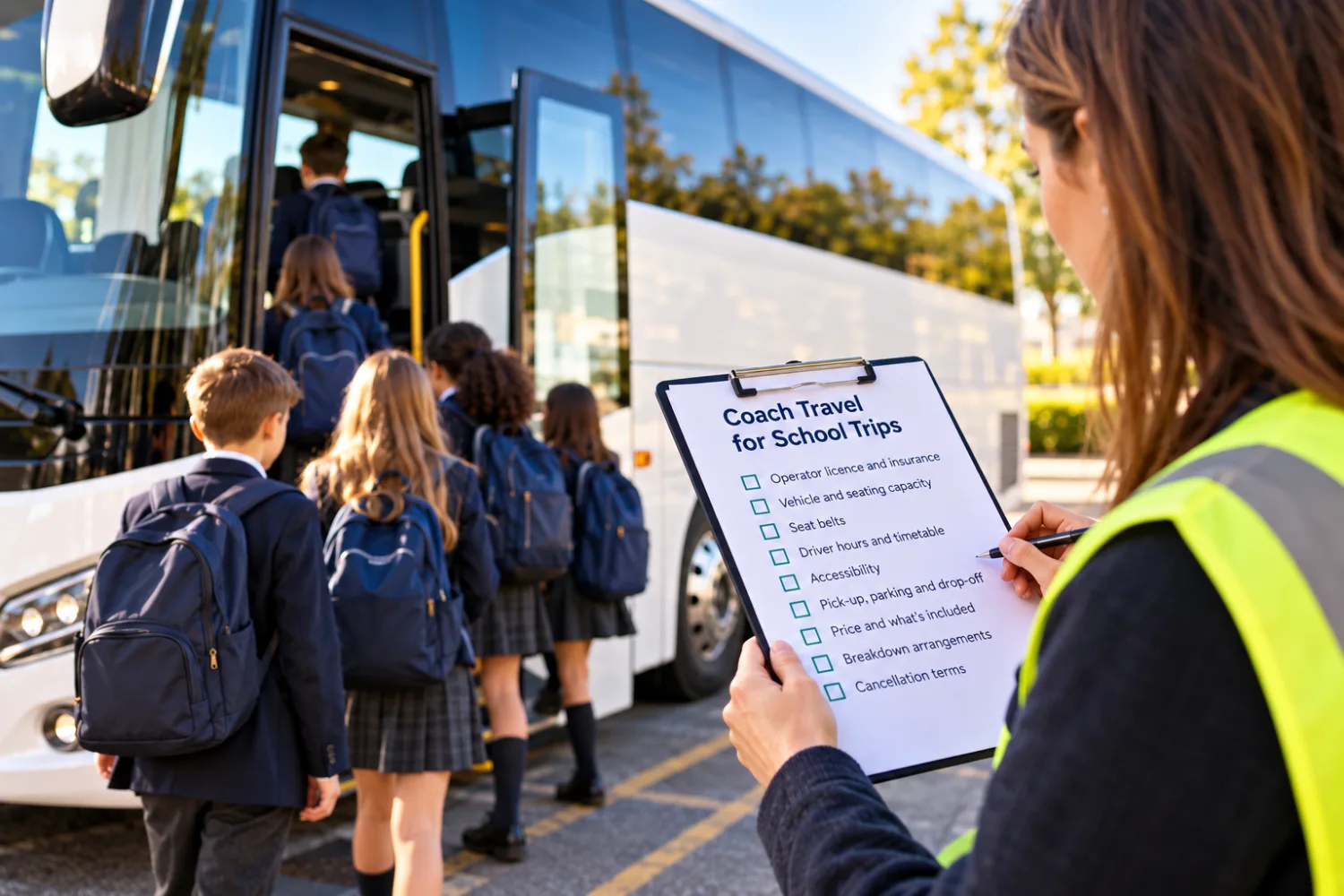
Transport often becomes the largest cost for schools, so providers should also give practical travel information. Even if the venue does not provide transport, clear coach access and parking details help schools estimate the full cost.
If a provider offers off-peak rates, local school discounts, funded places, bursaries, free adult places or flexible packages, this should be visible. Affordability can decide whether a trip goes ahead.
For schools thinking carefully about cost, see our guide to school trips on a tight budget.
Cancellation, deposits and date changes
Schools need to understand what happens if plans change. Pupil numbers may drop, transport may be affected, weather may make an outdoor session unsafe, staff absence may create problems, or the school may need to rearrange.
Providers should explain deposit requirements, payment deadlines, cancellation terms, refund rules, bad-weather procedures and whether dates can be moved.
Outdoor providers, farm venues, residential centres and adventure providers should be especially clear about weather. Does the session continue in rain? What happens in high winds or storms? Is there an indoor alternative? Who decides whether the activity is unsafe? What happens to payment?
Clear cancellation terms protect both sides. Schools can plan with fewer surprises, and providers avoid difficult conversations later.
Accessibility and SEND support
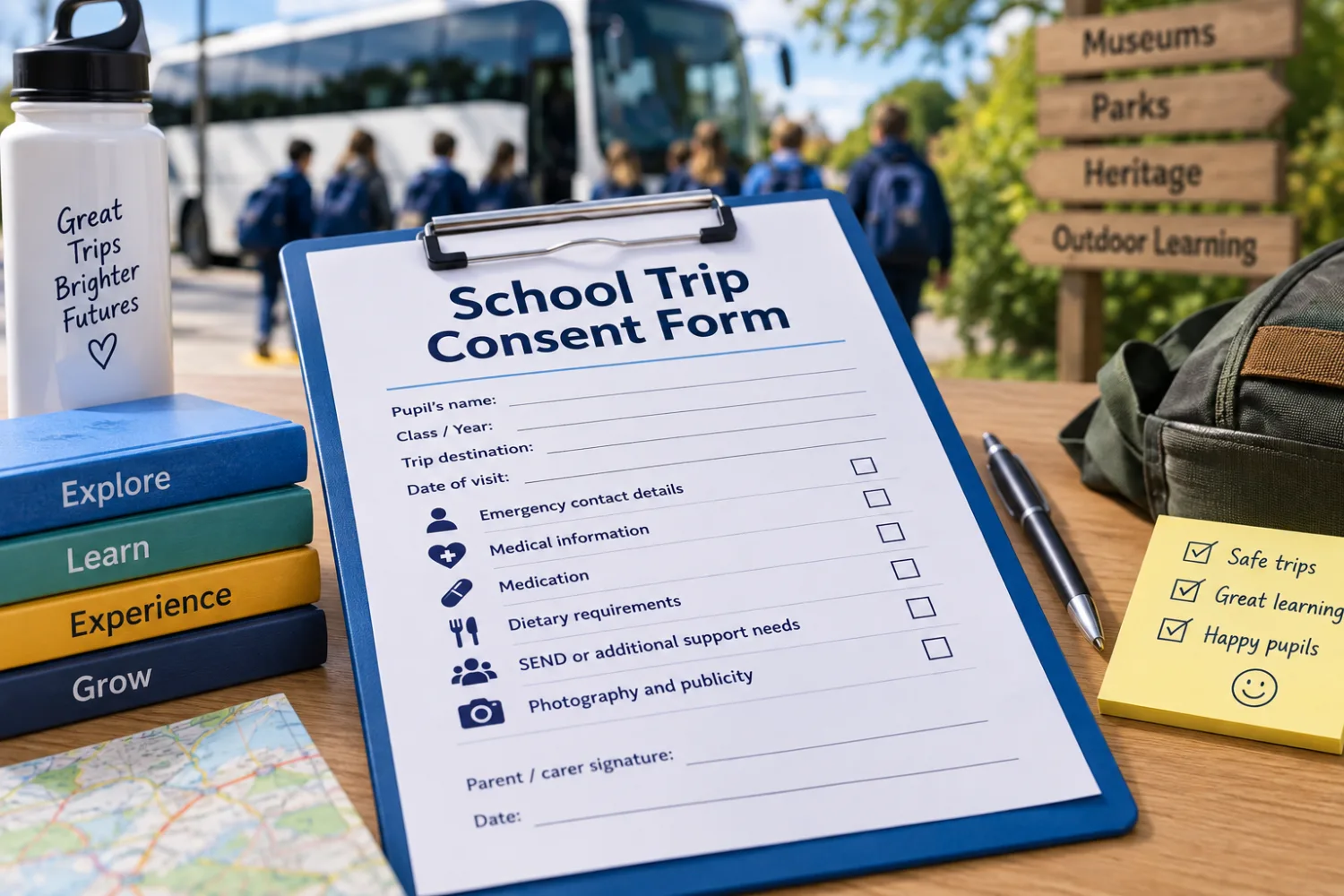
Schools need to know whether pupils with SEND, medical needs, mobility needs, sensory sensitivities or anxiety can take part meaningfully.
Providers should give practical accessibility information. This should include step-free access, accessible toilets, lifts, seating, walking distances, quiet spaces, sensory considerations, lighting, sound, strong smells, dark areas, public crowds, food flexibility, medical storage, adapted activities and whether a shorter route is possible.
“We are accessible” is not enough. A venue might have an accessible entrance but no quiet lunch space. It might have accessible toilets but long walking distances. It might be physically accessible but difficult for pupils who are sensitive to noise, smells or crowds.
Providers should also say whether they can offer visual guides, photos, maps, social story support, relaxed sessions, smaller-group options or advance calls with teachers.
Schools do not expect every venue to meet every need perfectly. They do expect clear information so they can plan reasonable adjustments properly.
For detailed planning advice, see our guide to making a school trip work for pupils with SEND.
Facilities: toilets, lunch, storage and shelter
Practical facilities can decide whether a school trip feels calm or chaotic.
Schools need to know where toilets are, whether they are suitable for the age group, whether accessible toilets are available, whether toilets are shared with the public and whether there are handwashing facilities.
Lunch arrangements matter too. Is there an indoor lunch space? Can pupils eat packed lunches? Is there seating? Is the space shared with the public? Can food be stored? Are there allergy rules? What happens in wet weather?
Bag and coat storage can also be important, especially for younger pupils and residential trips. Teachers need to know whether pupils will carry bags all day or whether there is a safe place to leave them.
Shelter matters for outdoor visits. A woodland, farm or field site can be excellent, but schools need to know where pupils can go if they become cold, wet, tired, overwhelmed or unwell.
These details may seem ordinary, but teachers notice when a provider has thought about them.
Transport, arrival and coach parking
A school trip starts before pupils enter the venue. Arrival and departure need to be safe and simple.
Providers should explain coach parking, minibus access, drop-off points, walking routes from the coach, road crossings, entrance procedures, arrival times, late arrival policy and whether staff meet school groups on arrival.
If the venue is difficult to find, has narrow roads, limited parking, rural access, city-centre restrictions or public transport complications, explain this clearly.
For schools, transport is a major part of planning. A venue may be affordable, but if the coach cannot park safely or pupils have a long walk along a busy road, the visit becomes more complicated.
Good providers make arrival feel organised. Teachers should not be standing with thirty pupils outside an unfamiliar entrance wondering where to go.
Food, allergies and medical arrangements
Food and medical needs should be discussed before booking, especially for full-day visits, residentials, farm trips, outdoor activities and venues with cafés or catering.
Providers should explain whether schools bring packed lunches, whether meals are provided, how allergies are handled, whether dietary requirements can be met, whether drinking water is available and whether food areas are separated from animal or activity areas where needed.
For residential providers, food information is especially important. Schools and parents need to know how meals work, how allergies are managed, what happens if a pupil refuses food, and whether snacks or packed lunches are needed.
Medical arrangements should also be clear. Is there first-aid cover? Where is the nearest first-aid point? Can medication be stored safely? Is refrigeration available if needed? What happens if a pupil becomes unwell?
Providers are not responsible for replacing the school’s medical planning, but they should make it easy for schools to understand what support is available on site.
Staff experience and qualifications
Schools need to know who is delivering the visit.
For museums, theatres and heritage venues, staff experience with school groups may be the most important detail. For adventure centres, outdoor learning, water activities, climbing, tools, fire, STEM labs or specialist workshops, qualifications and training may also be relevant.
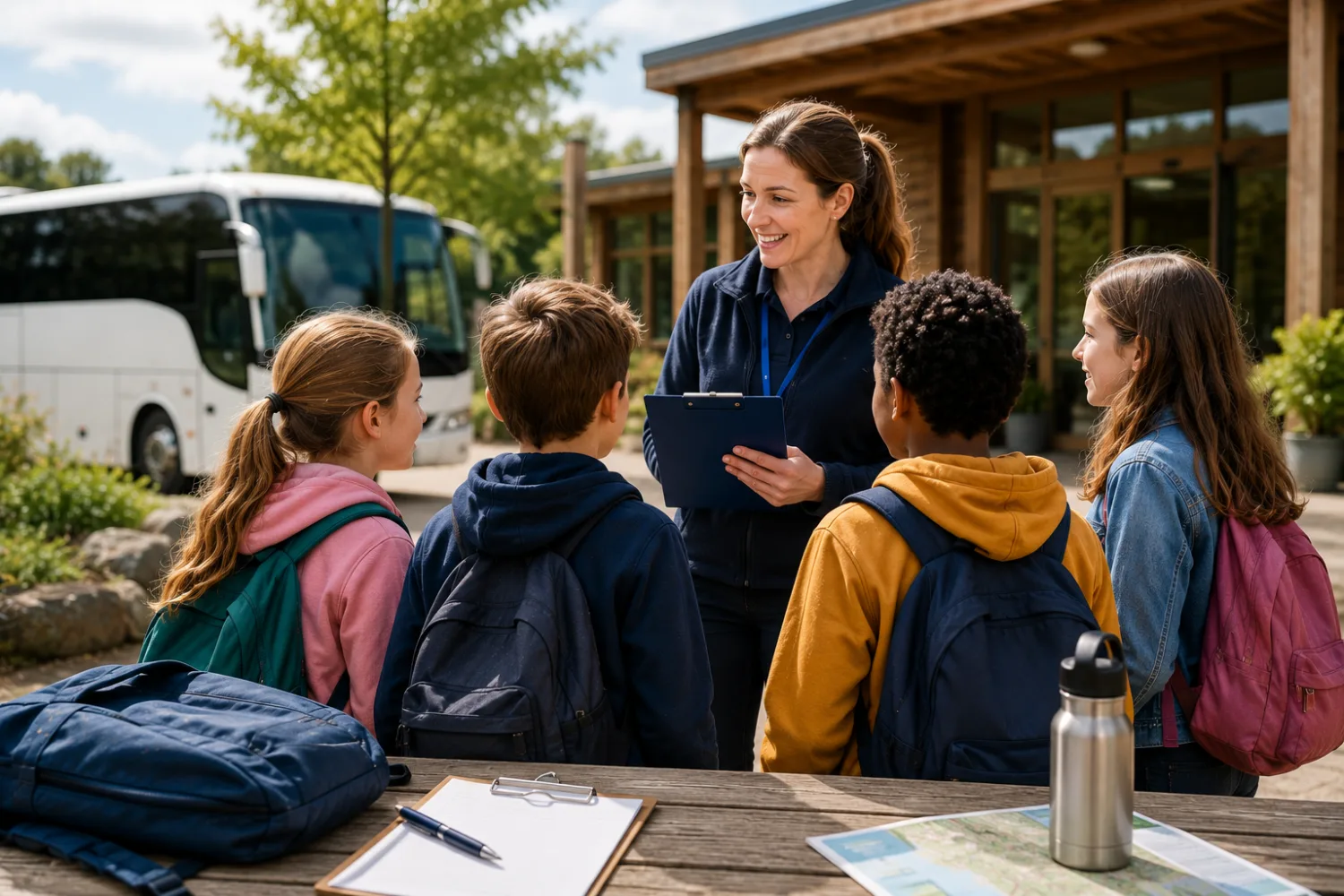
Providers should explain the experience of session leaders, instructors or educators. Do they regularly work with schools? Are they trained in first aid? Do they hold relevant activity qualifications? Do they understand SEND? Are they experienced with the age group?
This does not mean every provider must list every staff member online. But schools need confidence that the adults leading sessions are competent and suitable.
For high-risk or specialist activities, vague descriptions such as “experienced instructors” may not be enough. Schools may need specific qualifications or evidence before approval.
Teacher resources before and after the visit
Teacher resources can make a provider much more attractive to schools.
Pre-visit resources might include vocabulary lists, maps, photos, lesson ideas, risk information, visual guides, parent information, activity outlines or short videos showing what to expect.
During-visit resources might include trails, worksheets, observation tasks, enquiry questions, sketching prompts, investigation sheets or reflection activities.
Post-visit resources might include writing tasks, discussion questions, follow-up lessons, display ideas, certificates, careers links or project suggestions.
These resources do not need to be overly complex. In fact, simple resources are often more useful. Teachers want materials that save time and support learning without turning the whole visit into paperwork.
A provider that supports learning before and after the trip is more likely to be seen as an educational partner, not just a venue.
Evidence, testimonials and school experience
Schools trust providers more when they can see evidence that other schools have had a good experience.
Testimonials, case studies, photos, example school programmes, teacher quotes and repeat booking information can all help. A short quote from a teacher explaining that the visit was well organised, curriculum-linked and easy to manage may be more persuasive than a long promotional paragraph.
Providers should be careful with photos of pupils and make sure permissions are handled properly. If pupil images cannot be used, photos of facilities, resources, activities without identifiable faces, staff, equipment and learning spaces can still be useful.
Schools want reassurance that the provider understands school groups. Evidence of previous school visits can reduce uncertainty.
Fast, professional communication
A school enquiry is often time-sensitive. Teachers may be working around curriculum plans, coach availability, senior leader approval, parent letters, payment deadlines and school calendars.
Providers should make contact details easy to find and respond promptly. A named school contact is ideal. If response times are usually within a certain period, say so.
Communication should be clear and practical. Teachers need answers, not only enthusiasm. If a provider can send prices, availability, risk information, example timetables and booking steps in one clear email, it makes the teacher’s job much easier.
Providers should also be honest if they cannot meet a school’s needs. A clear “this may not be suitable for your group because...” is better than vague reassurance that leads to problems later.
What should be on a school trip provider page?
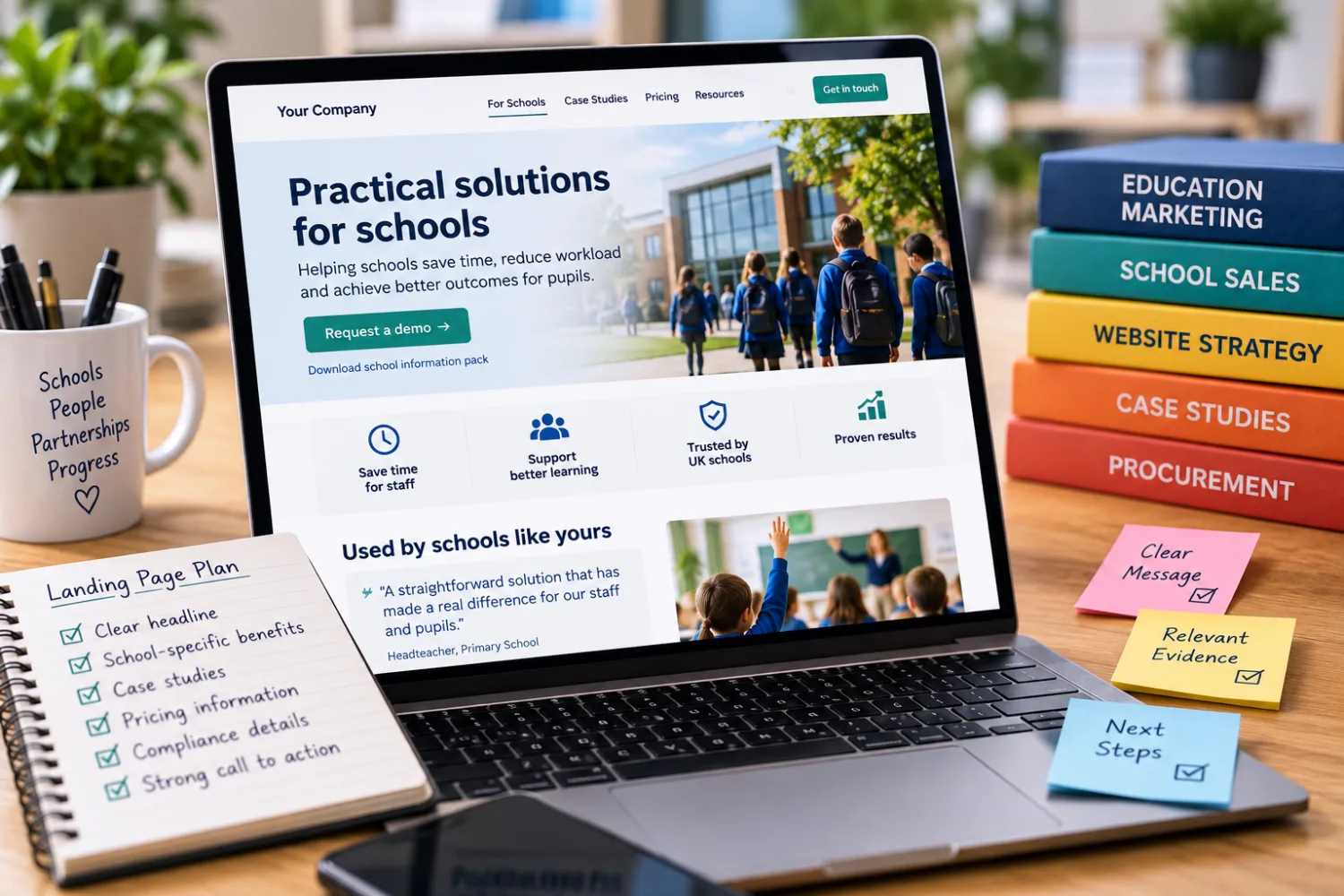
A provider that wants school bookings should have a dedicated school visits page. It should not make teachers search through general family visitor information to work out whether a school trip is possible.
A strong school visits page should include:
- Age groups and key stages supported.
- Curriculum links and learning outcomes.
- Types of sessions, workshops or activities.
- Example timetables.
- Prices and what is included.
- Minimum and maximum group sizes.
- Risk assessment information.
- Safeguarding information.
- Insurance details available on request.
- Staff experience or qualifications.
- SEND and accessibility information.
- Toilets, lunch, storage and shelter details.
- Coach parking and travel guidance.
- Food, allergy and medical arrangements.
- Cancellation and bad-weather policies.
- Teacher resources.
- Testimonials or examples from schools.
- A named contact or simple enquiry form.
This may look like a long list, but much of it can be presented simply. The key is clarity. Schools do not want to hunt for basic information.
Common reasons schools do not book
Providers often assume schools do not book because of price. Price matters, but it is not the only reason.
Schools may not book because the provider does not explain curriculum links clearly. They may not book because risk information is missing. They may not book because they cannot see toilet or lunch arrangements. They may not book because accessibility information is too vague. They may not book because the website looks aimed at families rather than schools.
Schools may also avoid providers that respond slowly, give unclear answers, make safeguarding sound like an afterthought, or cannot explain what pupils will actually do.
Sometimes the provider is excellent, but the information does not show it. That is a missed opportunity.
How providers can make schools more confident
The best way to make schools confident is to reduce uncertainty.
Show what the day looks like. Explain who leads it. Say what pupils learn. Make the price clear. Provide risk and safeguarding information. Show facilities. Explain SEND access. Give examples. Respond quickly. Be honest about limitations.
A teacher should be able to look at a provider’s school visits page and think, “This organisation understands what I need.”
Providers can also build trust by offering teacher preview visits, downloadable planning packs, pre-visit calls, flexible session choices, off-peak dates, clear maps, photo guides and follow-up resources.
These details are not just administration. They are part of the product. For schools, a smooth booking and planning experience is part of what they are paying for.
FAQ: what schools need from school trip providers
What information do schools need before booking a trip provider?
Schools usually need age suitability, curriculum links, prices, risk information, safeguarding details, insurance information, facilities, SEND access, transport guidance, food arrangements, cancellation terms, staff experience and a clear description of what pupils will do.
Do providers need to supply a full risk assessment?
Providers should supply useful venue or activity risk information, but schools usually still need to complete their own planning based on their pupils, staff, travel arrangements and school policy.
What makes a school trip provider trustworthy?
A trustworthy provider communicates clearly, understands schools, gives practical information, manages risk sensibly, takes safeguarding seriously, supports inclusion, explains learning outcomes and responds professionally to teacher questions.
Should school trip providers show prices online?
Clear pricing is very helpful. If exact prices depend on group size or package, providers should at least explain the pricing structure, what is included, minimum group sizes, deposits and how schools can request a quote.
Why is SEND information important for school trip providers?
Schools need to know whether pupils with SEND, mobility needs, sensory sensitivities, medical needs or anxiety can take part safely and meaningfully. Practical accessibility information helps schools plan reasonable adjustments.
How can providers make their school visits page better?
Providers can improve their school visits page by adding curriculum links, example timetables, facility photos, risk and safeguarding information, SEND guidance, prices, coach access, teacher resources, testimonials and a named contact.
What puts schools off booking a provider?
Schools may be put off by unclear pricing, missing risk information, vague safeguarding details, poor communication, lack of curriculum links, weak SEND information, unclear facilities or a website that only speaks to family visitors rather than schools.
Can small venues attract school bookings?
Yes. Small venues can attract schools if they are clear, organised and school-friendly. Teachers often value local, personal and flexible providers when the practical information is strong and the learning purpose is clear.
Final thought
Schools want exciting, memorable and meaningful educational visits, but they also need confidence. They need to know that the provider understands pupils, teachers, risk, safeguarding, inclusion, curriculum time and parent expectations.
For teachers, the right provider makes trip planning easier. For providers, the right information makes school bookings more likely.
A school-friendly provider is not necessarily the biggest or most famous venue. It is the one that makes the visit clear, safe, purposeful and manageable before the school even sends an enquiry.
If you run a school trip venue, workshop, outdoor centre, residential centre, STEM provider, farm, museum, theatre, wildlife venue or other educational visit provider and would like your venue to be considered for future AllSchools resources or listings, contact us at info@allschools.co.uk. We are always interested in hearing about useful, school-friendly trip providers across the UK.