Residential school trips can be among the most powerful experiences pupils have during their time at school. They are not simply longer versions of day trips. Staying away from home changes the learning. Pupils have to manage routines, share space, organise belongings, try unfamiliar activities, support friends, cope with challenge and build independence.
For some pupils, a residential trip is the first time they have stayed away from family. For others, it is the first time they have climbed, paddled, cooked outdoors, navigated a woodland, slept in a dormitory, visited a new city, handled homesickness or realised they can do something they were nervous about.
The best residential school trip centres understand this. They do not just offer accommodation and activities. They help schools create a safe, purposeful and memorable experience that supports learning, confidence, teamwork, resilience and personal development.
For residential centres, outdoor education providers, adventure centres, field study centres, youth hostels, activity camps and specialist education venues, this is a strong commercial area. Schools are interested in residential experiences, but teachers and senior leaders need clear information before they can commit: safeguarding, accommodation, supervision, food, medical needs, SEND, pricing, risk assessment, parent communication and what pupils will actually gain.
If your school is comparing residential trips with other educational visits, you may also find our guides to outdoor learning and Forest School trip venues, secondary school trip venues and STEM and science school trip venues useful.
What makes residential trips different from day trips?
A day trip can support a topic, enrich a lesson or give pupils a memorable experience. A residential trip can do all of that, but it also adds independence, routine, relationships and time.
Pupils are not only taking part in planned activities. They are waking up in a shared environment, managing meals, preparing for sessions, following evening routines, sharing rooms, looking after belongings, navigating social situations and spending extended time with staff and peers.
That is why residentials can be so valuable. They give pupils time to settle, try again, reflect and grow. A pupil who refuses the climbing wall on day one may try it on day two. A pupil who is quiet in class may become a strong teammate during an outdoor challenge. A pupil who struggles with confidence may return with a clear memory of success.
But residentials also require more planning. Schools need to think beyond the activity timetable. Accommodation, night supervision, medical routines, food, allergies, homesickness, behaviour, privacy, SEND, travel, safeguarding and parent communication all matter.
A good residential centre helps schools think through these details before the booking is confirmed.
Outdoor adventure residential centres
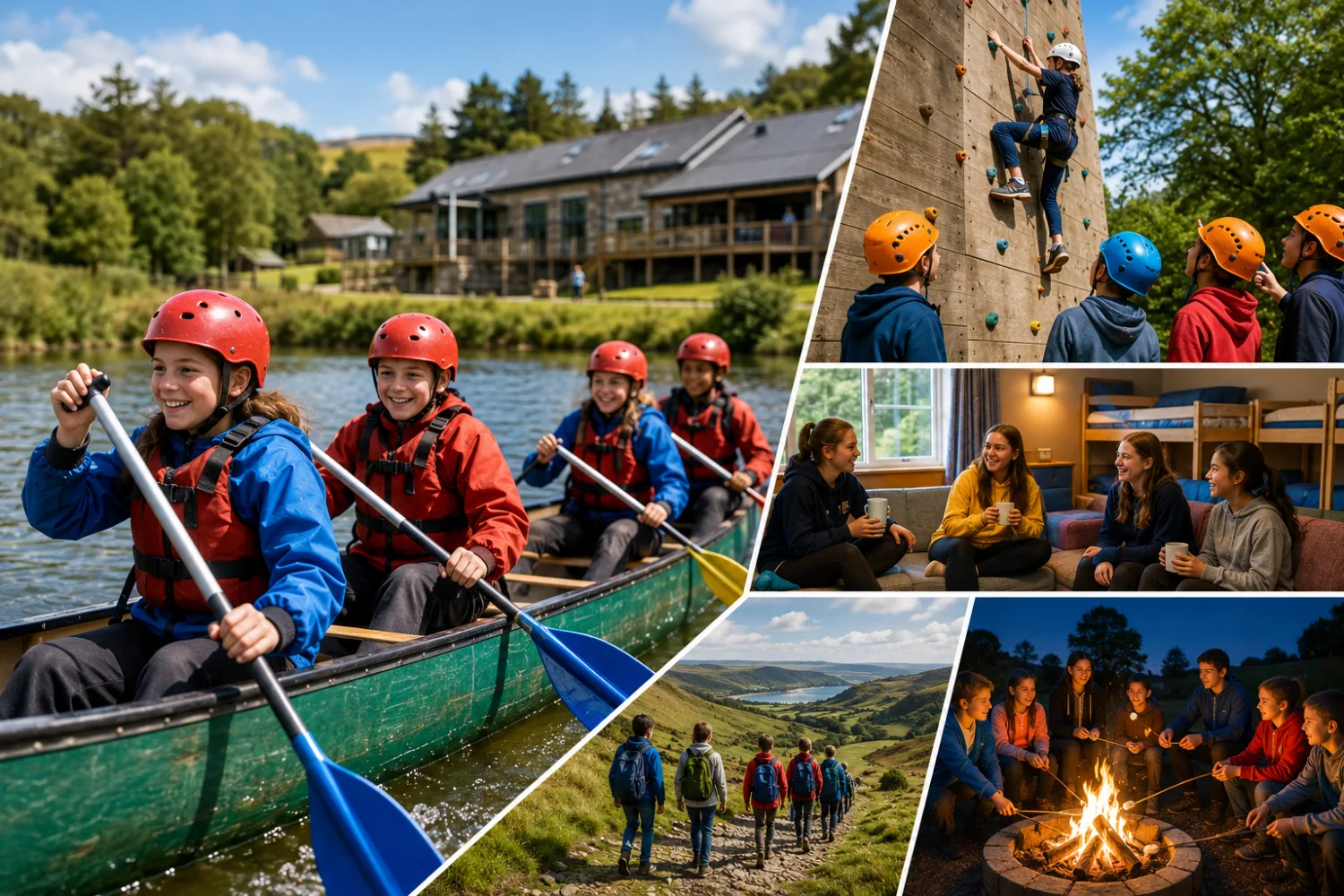
Outdoor adventure centres are one of the most common types of residential school trip venue. They may offer activities such as climbing, abseiling, canoeing, kayaking, raft building, archery, orienteering, high ropes, zip wires, caving, team challenges, bushcraft, mountain walking or problem-solving tasks.
These trips are often chosen for confidence, resilience, teamwork, independence and transition. They can work well for Year 6 residentials, Year 7 transition trips, secondary personal development, GCSE PE, Duke of Edinburgh preparation, reward trips or end-of-year enrichment.
The best adventure residentials are not just about pupils being “brave”. They give pupils supported opportunities to face challenge, listen carefully, follow safety instructions, encourage others, manage nerves and reflect on what they learned.
Teachers should ask how activities are supervised, what instructor qualifications are held, how equipment is maintained, what alternatives exist for pupils who cannot take part in particular activities, and how the centre supports pupils who are anxious, physically cautious or overconfident.
A strong centre will be clear about risk without making the visit sound either frightening or unrealistically easy.
Field study centres and curriculum residentials
Field study centres are ideal when the residential has a strong curriculum purpose. These centres may support geography, biology, ecology, environmental science, geology, coasts, rivers, habitats, climate, biodiversity, sustainability, data collection and fieldwork skills.
For secondary schools, field study residentials can support GCSE and A level geography or science. Pupils may collect data, compare sites, test hypotheses, analyse results and understand how fieldwork differs from classroom learning.
For primary schools, a field study residential might focus on habitats, rivers, woodland, plants, animals, rocks, soils, weather or environmental responsibility. The learning can be practical and memorable without becoming too technical.
The best field study centres help teachers connect the visit to curriculum requirements. They do not simply offer a scenic location. They provide structured enquiry, equipment, expert staff, clear learning outcomes and follow-up possibilities.
Teachers should ask what fieldwork methods pupils will use, whether data collection is suitable for the year group, whether the centre provides equipment, whether sessions link to exam board or curriculum needs, and what happens in poor weather.
Residential trips for transition and confidence
Residential trips are often used at key transition points. Year 6 residentials can mark the end of primary school and help pupils build independence before secondary. Year 7 residentials can help new tutor groups form relationships. Year 9 or Year 10 residentials can support confidence, leadership and personal development.
A transition residential does not need to be heavily academic. Its value may come from shared experience, routines, teamwork and reflection. Pupils learn who they can trust, how they respond to challenge, how they communicate under pressure and how they fit into a wider group.
These trips can be especially valuable for pupils who find social relationships difficult. A well-run residential can create structured opportunities for pupils to interact beyond normal friendship groups.
However, transition trips need careful pastoral planning. Schools should think about room groups, friendship issues, anxiety, homesickness, medication, sleep, toileting, eating, behaviour and pupils who may find unstructured time difficult.
A centre that understands transition will help schools plan not only activities, but also the less visible moments between activities.
Residential STEM, science and university experiences
Not all residential trips are outdoor adventure trips. STEM residentials, university summer schools, science camps, coding residentials, engineering challenges and subject-based residentials can be powerful for older pupils.
These experiences can support GCSE, A level, careers education, university aspiration and subject confidence. Pupils might work in labs, visit research facilities, complete design challenges, learn coding, explore robotics, experience university-style teaching or meet STEM professionals.
A STEM residential can be particularly useful for pupils who are considering post-16 or post-18 choices. It gives them more time than a single workshop to explore a subject, meet people and imagine possible pathways.
Teachers should check the academic level, staff expertise, safeguarding arrangements, accommodation, supervision outside sessions, equipment, costs, travel, SEND support and how the provider manages mixed prior knowledge.
If you are looking at STEM-focused visits more generally, see our guide to the best STEM and science school trip venues in the UK.
City, culture and humanities residentials
Some of the best residential trips take pupils to a city, heritage area, theatre hub, museum cluster, university town or place of cultural importance. These trips can support history, geography, English, art, drama, religious education, citizenship, politics, business studies and careers.
A London residential, for example, might include museums, Parliament, theatres, galleries, places of worship, historic sites, universities or employer visits. Other cities can offer equally rich experiences around industry, migration, culture, regeneration, transport, architecture, science, sport or local identity.
These trips can be especially valuable for pupils who have limited opportunities to travel. A city residential can widen horizons and give pupils a stronger sense of the wider world.
However, city residentials need detailed planning. Public transport, busy streets, security, accommodation, evening routines, free time, rooming, meals, safeguarding and emergency procedures must all be considered carefully.
Teachers should choose accommodation and providers that understand school groups, not only general youth or tourist groups.
Farm, countryside and rural residential centres
Farm and countryside residentials can offer pupils a slower, more practical and nature-connected experience. They may include animal care, growing, cooking, woodland work, conservation tasks, outdoor learning, rural skills, food education and environmental projects.
These trips can work well for pupils who benefit from responsibility and practical work. Looking after animals, preparing food, helping with outdoor tasks or seeing rural routines can give pupils a meaningful role rather than simply a scheduled activity.
Farm residentials can support science, geography, food technology, PSHE, sustainability, careers and wellbeing. They can also help pupils understand where food comes from and how people manage land, animals and natural resources.
Schools should ask about hygiene, animal contact, handwashing, allergies, accommodation, supervision, machinery areas, mud, weather, SEND access and how pupils are supported during practical tasks.
For day visits and rural education options, see our guide to farm school trips and rural education centres.
Residentials for pupils with SEND
Residential trips can be highly valuable for pupils with SEND, but they need early and thoughtful planning. The challenge is not only the daytime activity. It may be the journey, rooming, sleep, food, toilets, medication, sensory load, homesickness, social time, changes to routine or anxiety about being away from home.
Schools should start from the aim of inclusion. What reasonable adjustments would help the pupil take part? What has worked before? What do parents and carers know? What does the pupil need to understand in advance? What can the centre adapt?
Useful adjustments may include a visual timetable, photos of the centre, a social story, a trusted adult, a quiet room, a shorter activity route, alternative activities, accessible accommodation, a lower bunk, adapted equipment, additional adult support, sensory breaks, a clear medication plan or an agreed way to contact home.
Residential centres should provide practical SEND information, not vague reassurance. Schools need details about accessible rooms, bathrooms, distances between areas, quiet spaces, sensory factors, food flexibility, medical storage, staff experience and activity adaptations.
Our guide to making a school trip work for pupils with SEND gives more detailed advice on accessibility, preparation, quiet spaces, staff support and reasonable adjustments.
Safeguarding, night supervision and rooming
Safeguarding is one of the biggest differences between a day visit and a residential trip. Schools need to know what happens not only during activities, but also during meals, free time, evenings, bedtime, overnight and early morning.
Teachers should ask how accommodation is arranged, whether school groups are separated from the public, where staff rooms are located, how pupils are supervised at night, how room checks work, how corridors are monitored, and what happens if a pupil becomes ill or distressed overnight.
Rooming can be sensitive. Schools need to consider friendship groups, bullying, anxiety, gender, privacy, medical needs, SEND, sleep routines and pupils who may feel excluded. Rooming should be planned carefully and communicated clearly.
Centres should also explain staff roles. Which adults are centre staff? Which adults are school staff? Are instructors ever alone with pupils? Who leads each session? Who handles emergencies? Who is available overnight? Who contacts parents if needed?
The best centres make safeguarding arrangements easy to understand before the school has to ask repeatedly.
Food, allergies and medical needs
Food can make or break a residential. Pupils may be away from home, tired, nervous and physically active. They need reliable meals, enough water, and clear arrangements for allergies, dietary requirements and medical needs.
Schools should ask what meals are provided, how dietary requirements are handled, whether packed lunches are needed, how allergies are managed, whether pupils can bring snacks, how drinking water is accessed and what happens if a pupil refuses unfamiliar food.
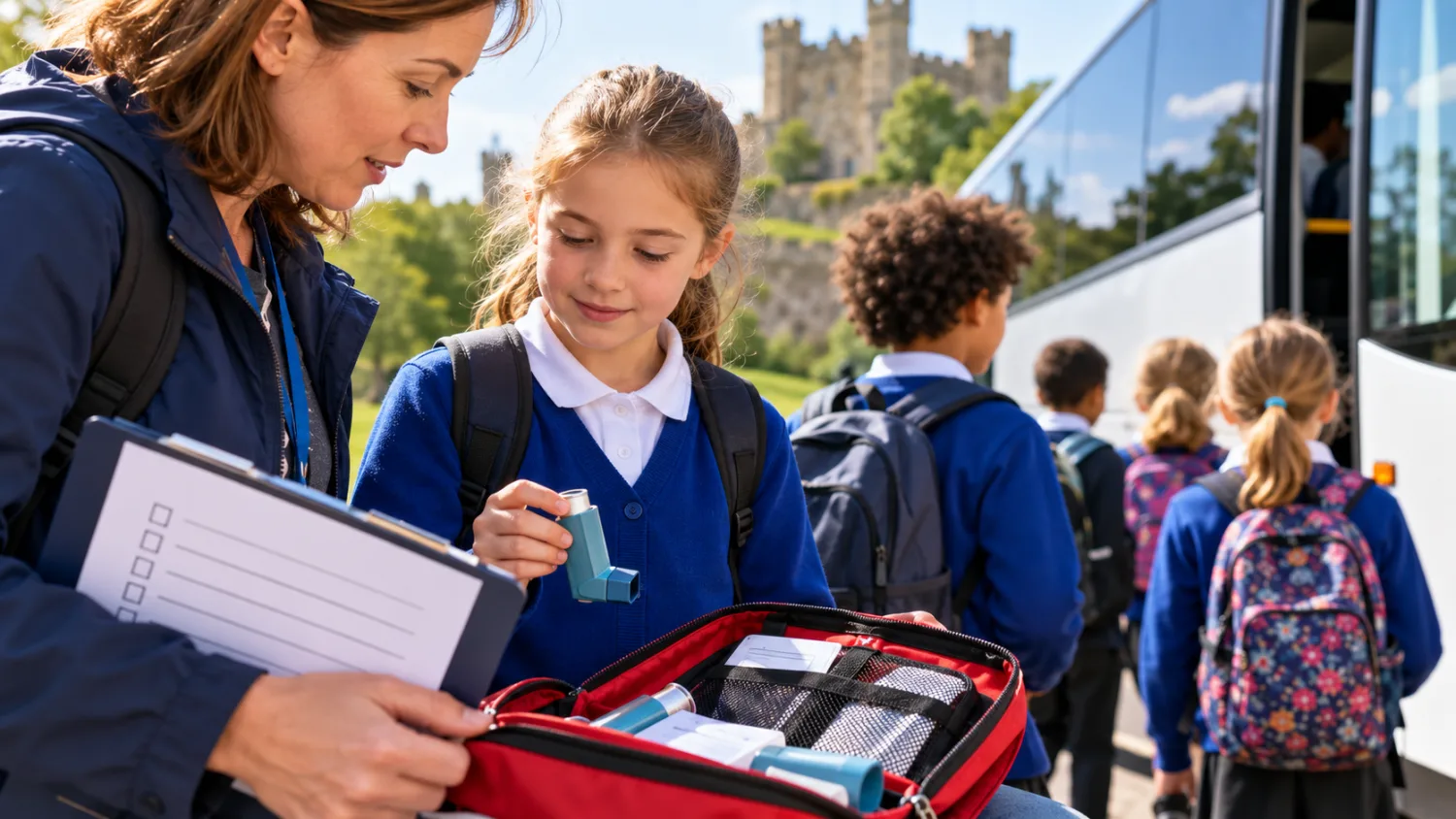
Medical planning is equally important. Schools should check medication storage, refrigeration, inhalers, emergency medication, first-aid cover, nearest medical facilities, overnight illness procedures and how information is shared between school staff and centre staff.
For pupils with diabetes, epilepsy, severe allergies, asthma, mobility needs, anxiety or complex medical needs, planning should begin early and involve parents, carers and the school’s usual medical procedures.
A residential centre does not need to be a medical provider, but it does need to understand how schools manage medical responsibility during overnight visits.
Phones, homesickness and behaviour
Residential trips often raise questions about mobile phones, homesickness and behaviour. These issues should be planned before departure, not decided in the moment.
Some schools allow phones only at set times. Others collect phones on arrival. Some centres have their own rules. Whatever the approach, pupils and parents should understand it clearly before the trip.
Homesickness is common and should not be treated as failure. Pupils may need reassurance, routine, distraction, a quiet conversation, a trusted adult, or a clear plan for bedtime. Schools should decide in advance how contact with home will be handled, because repeated calls can sometimes make homesickness worse.
Behaviour expectations should also be clear. Pupils need to know rules around rooms, corridors, bedtime, public areas, equipment, activities, language, peer relationships and staff instructions.
Staff should think carefully about pupils who may struggle with unstructured time. Sometimes the moments between activities are where difficulties are most likely to happen.
Cost and value: what schools need to compare
Residential trips can be expensive, so schools need to compare value carefully. The headline price may not tell the full story.
The real cost may include accommodation, activities, meals, transport, insurance, staffing, supply cover, equipment, bedding, optional extras, payment processing, bursaries and support for families who cannot afford the full contribution.
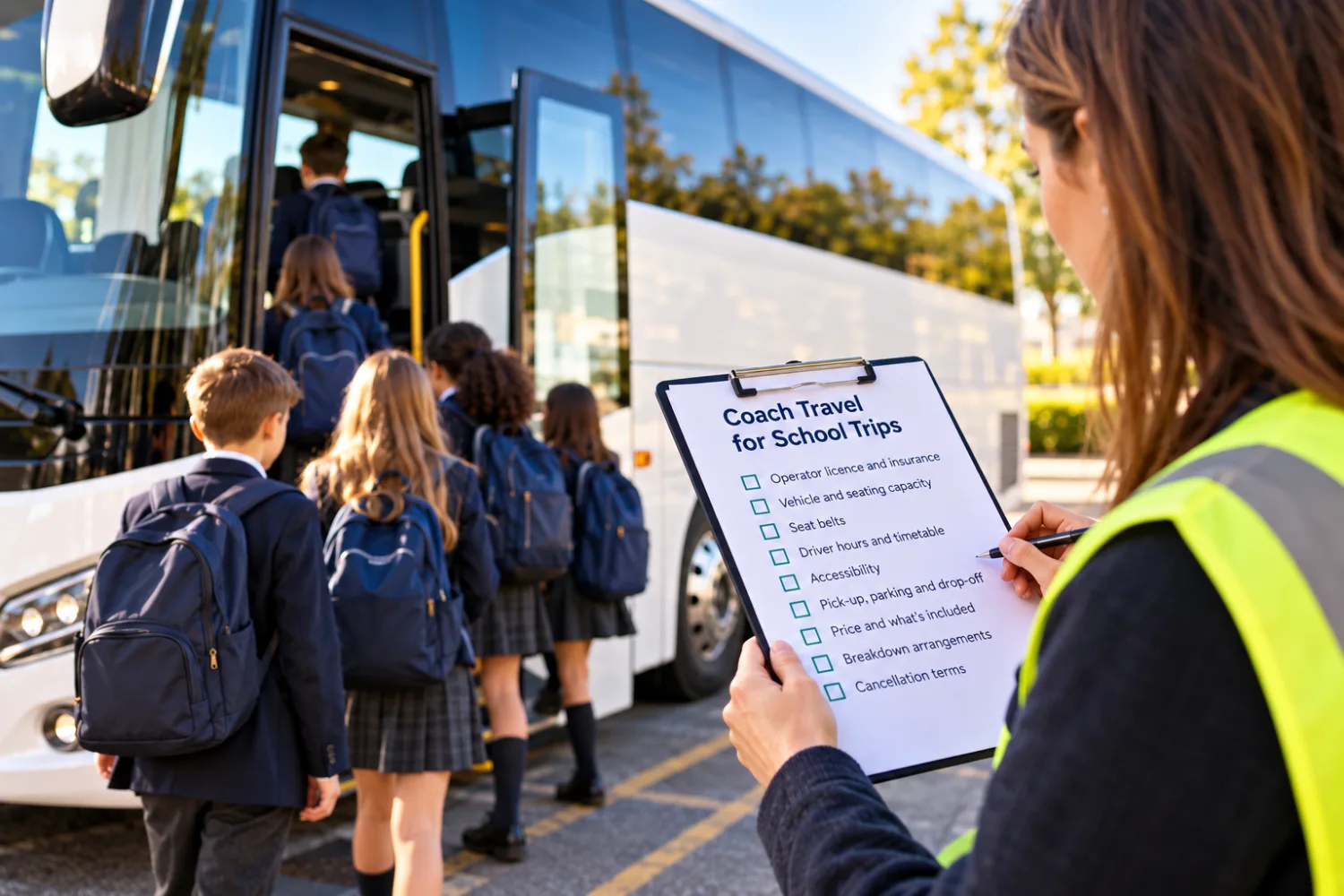
Teachers should ask what is included. Are all activities included? Are meals included? Are bedding and towels included? Are evening activities included? Are instructor-led sessions included? Are there free staff places? What happens if pupil numbers change? What deposit is required? What are cancellation terms?
Value is not only about price. A centre that provides excellent activities, clear risk information, strong SEND support, reliable food, good accommodation and helpful planning resources may save significant staff time and reduce stress.
If affordability is a concern, our guide to school trips on a tight budget may help schools think about cost, timing, local alternatives and support for families.
Parent communication before a residential trip
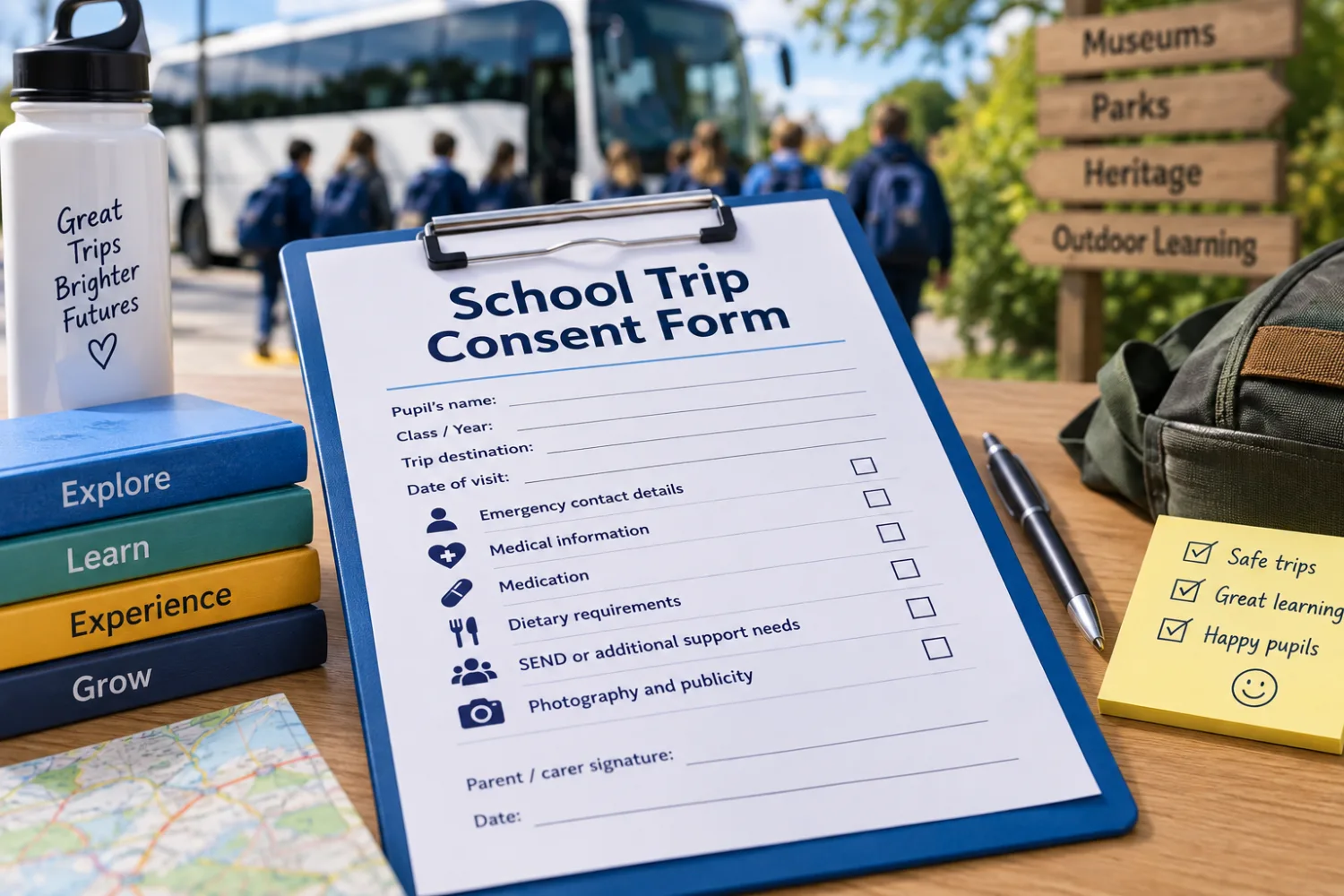
Parents and carers usually need more reassurance for a residential than for a day trip. They want to know where pupils are staying, who is supervising them, what they will eat, what activities they will do, how medical needs are managed, what to pack, how phones are handled and who to contact in an emergency.
Schools should provide clear information early. A parent meeting can help, especially for first-time residentials. Photos of accommodation, activity areas, dining rooms and outdoor spaces can reduce anxiety for both pupils and parents.
Communication should be practical and calm. Parents do not need a promotional brochure only. They need the details that help them trust the trip: staff roles, sleeping arrangements, costs, deadlines, kit list, medication process, emergency contacts, behaviour expectations and what happens if a pupil becomes homesick.
For more general school communication ideas, see our guide to simple ways schools can improve parent communication.
What residential centres should show schools
Residential centres that want more school bookings should make teacher information easy to find. Schools are not only choosing an exciting venue. They are choosing a provider they can trust with pupils overnight.
A strong school visits page should explain accommodation, room sizes, staff rooms, night supervision, activities, instructor qualifications, safeguarding, risk information, food, allergies, medical procedures, SEND access, quiet spaces, travel, pricing, free staff places, example timetables, cancellation terms and who teachers should contact.
Photos are extremely useful. Teachers and parents want to see bedrooms, bathrooms, dining spaces, activity areas, outdoor spaces, classrooms, corridors and communal areas. Vague language is not enough when pupils are staying overnight.
Centres should also explain the outcomes of the trip. Is the focus confidence, teamwork, fieldwork, resilience, independence, transition, STEM, outdoor learning, culture or curriculum? Schools need to justify time and cost, so outcomes should be clear.
For providers that want to understand what schools look for more broadly, our guide to requirements for businesses working with schools may be useful.
Questions teachers should ask before booking a residential centre
Before booking, schools should ask detailed questions. These do not have to make the process difficult; they make the trip safer and easier to approve.
- Which age groups does the centre regularly work with?
- What activities are included in the programme?
- Are activities led by qualified instructors?
- What risk assessment information is available?
- How is accommodation arranged?
- Are school groups separated from the public or other groups?
- Where do school staff sleep in relation to pupils?
- How is night supervision managed?
- What happens if a pupil is ill or distressed overnight?
- How are meals, allergies and dietary requirements handled?
- How are medication and medical needs managed?
- What SEND adjustments are available?
- Are accessible rooms and bathrooms available?
- What quiet spaces are available?
- What is included in the price?
- Are transport, bedding, towels or equipment included?
- What happens if pupil numbers change?
- What are the deposit and cancellation terms?
- What information is available for parents?
- Who is the named contact before and during the trip?
For a wider visit-planning checklist, see our guide to questions every teacher should ask before booking a school trip venue.
FAQ: residential school trip centres
What are the best types of residential school trip centres?
Good residential school trip centres include outdoor adventure centres, field study centres, residential farms, youth hostels, cultural and city-based centres, STEM residential providers, university outreach programmes and specialist activity centres. The best choice depends on the age, needs and purpose of the visit.
What age is best for a first residential school trip?
Many schools introduce residential trips in upper primary, often around Year 5 or Year 6, but there is no single correct age. The right timing depends on pupil readiness, school policy, parent confidence, the centre, the activities and the level of support available.
Are residential trips worth the cost?
Residential trips can be worth the cost when they offer clear educational or personal development value. They can support confidence, independence, teamwork, fieldwork, transition, resilience, curriculum learning and wider experiences that are difficult to create in school.
What should parents be told before a residential school trip?
Parents should receive clear information about dates, location, accommodation, activities, staff supervision, costs, payment deadlines, food, allergies, medication, packing lists, phone rules, behaviour expectations, emergency contacts and what happens if a pupil becomes homesick or unwell.
How should schools plan residential trips for pupils with SEND?
Schools should involve the SENCO early, speak with parents and carers, ask the centre about accessibility and adaptations, prepare pupils with visuals where helpful, plan staff support, check accommodation and toilets, and consider sensory, medical, emotional and routine needs.
What should schools ask about night supervision?
Schools should ask where staff sleep, how corridors are monitored, whether school groups are separated from the public, what happens if a pupil wakes at night, how illness is managed, and who is responsible during overnight hours.
Do residential centres provide risk assessments?
Many residential centres provide risk assessment information or safety documentation for their activities and site. Schools should still review this in relation to their own pupils, travel arrangements, staffing, medical needs and school policies.
How can residential centres attract more school bookings?
Residential centres can attract more school bookings by clearly showing accommodation details, safeguarding arrangements, activity options, curriculum links, SEND support, food and allergy information, risk documentation, pricing, example timetables, photos and a named contact for teachers.
Final thought
Residential school trips can stay with pupils for years. They give young people time to try, fail, recover, cooperate, explore and grow. They can support curriculum learning, but often their deepest value is personal: independence, confidence, resilience and shared experience.
The best residential centres make this possible through careful organisation. They provide safe accommodation, clear supervision, purposeful activities, good food, inclusive planning, honest information and practical support for teachers.
For schools, the aim is to choose a centre that matches the pupils and the purpose of the visit. For residential providers, the opportunity is clear: schools want meaningful overnight experiences, but they need detailed, trustworthy information before they can book.
If you run a residential school trip centre, outdoor education centre, activity centre, field study centre, youth hostel, farm residential, STEM residential or similar school trip provider and would like your venue to be considered for future AllSchools resources or listings, contact us at info@allschools.co.uk. We are always interested in hearing about useful, school-friendly residential trip venues across the UK.