With technology changing so much around us, schools play a key part in getting pupils ready for what comes next. Yet many schools often feel they don’t have the resources, facilities, or specialist staff to expand STEM (Science, Technology, Engineering and Maths) opportunities on their own. The good news is that thriving STEM hubs, tech communities, digital education groups, and local innovators are already active across the UK—schools simply need to connect with them.
Forging partnerships with these groups can transform the learning environment. Pupils gain exposure to industry-standard tools and real-world problem-solving, teachers receive professional development opportunities, and schools become part of a wider ecosystem that supports inspiration and innovation.
This article explores how schools can work meaningfully with local STEM hubs and tech communities, what these partnerships look like in practice, and how to start building those relationships from scratch.
Why STEM Partnerships Matter More Than Ever
Teachers know that STEM subjects boost critical thinking, creativity, and resilience. But when schools connect with external experts, pupils suddenly experience STEM in a way that feels real and relevant.
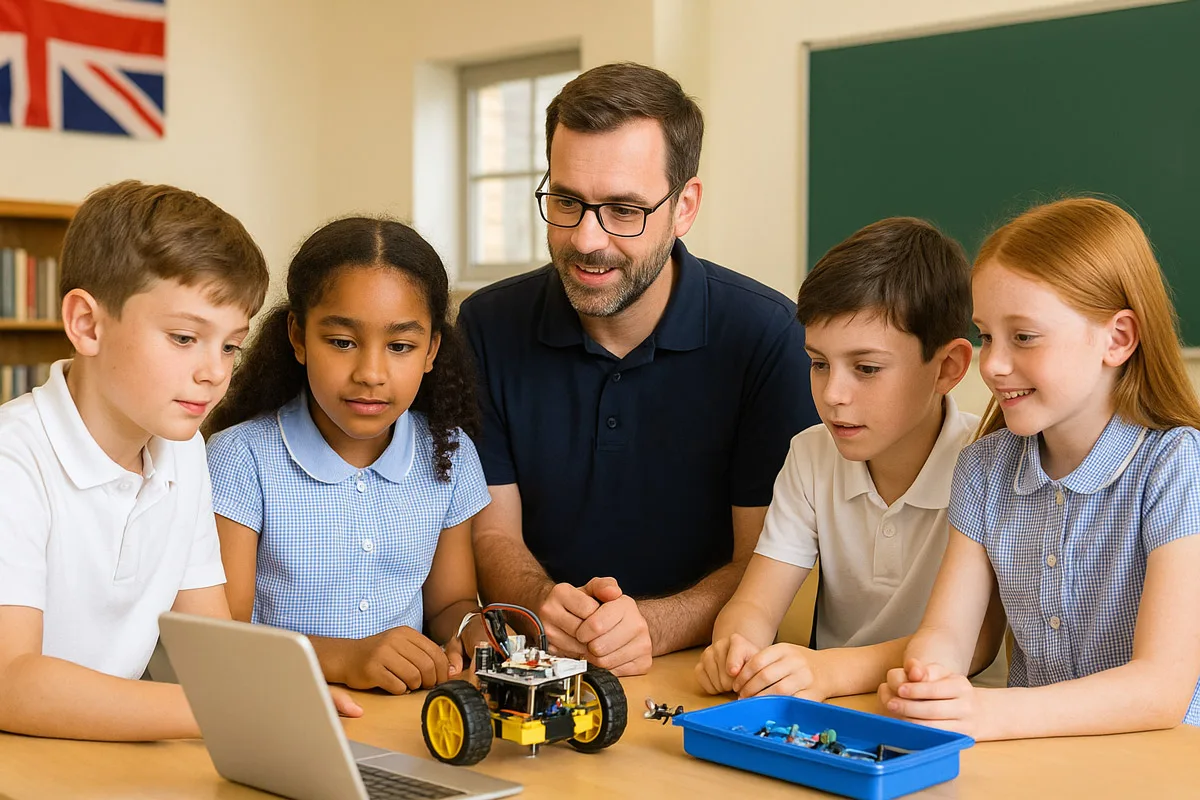
A coding workshop run by local developers, a robotics challenge supported by a nearby university, or a visit from engineers working on green energy projects can ignite curiosity that classroom lessons alone may struggle to spark. These interactions also help pupils understand local career pathways—especially in areas where traditional industries are changing and digital roles are growing rapidly.
Schools also benefit from access to programmes created specifically to raise attainment and break down barriers to STEM progression, including initiatives for girls, disadvantaged pupils, and those with SEND.
Where to Find STEM Hubs and Tech Communities
The UK has a strong network of STEM-focused organisations ready to support schools. Many are part of regional STEM Learning Hubs, local universities, innovation centres, and volunteer tech meetups. STEM Learning, for example, operates a nationwide support system for schools and offers free or low-cost CPD, resources, and ambassadors who visit schools to deliver talks and activities (https://www.stem.org.uk).
In many towns and cities, grassroots communities exist too—coding groups, robotics clubs, engineering societies, or local tech companies who enjoy giving back to young people. These groups often look for ways to collaborate but don’t always have structured channels to reach schools, which means an email or a phone call from a teacher can open doors quickly.
For example, Tech Sheffield, Cambridge Wireless, and CodeYourFuture frequently invite schools to events, and they welcome opportunities to support young learners. Even small groups—like local Python meetups or makerspaces—can offer workshops on 3D printing, web development, or electronics that would otherwise be unavailable.
How Partnerships Work in Real Schools
Many schools have already demonstrated how simple, sustainable partnerships can create impressive long-term results.
One secondary school in Manchester began by inviting an engineer from a local tech startup to speak during a STEM careers afternoon. The visit sparked such enthusiasm that the startup offered to run a term-long coding club. Within a year, the school had a thriving after-school programme that blended app-building, website creation, and digital design. Several pupils even secured summer internships through the partnership, giving them insight into real workplaces before they turned 16.
Another example comes from a primary school in Kent that partnered with a regional university’s engineering department. What started as a one-off workshop on renewable energy turned into a year-long project exploring solar power, culminating in a community event where pupils shared working prototypes of small solar-powered devices. This type of collaboration not only enriched science lessons but also connected learning to environmental issues the pupils could understand firsthand.
A rural school in Cumbria, where access to tech organisations is more limited, found success by connecting with online communities. Volunteers from across the UK joined virtual classroom sessions through the STEM Ambassadors programme (https://www.stem.org.uk/stem-ambassadors), allowing pupils in small schools to meet scientists, game developers, and AI experts. The remote nature of the partnership didn’t weaken the experience—many pupils described the sessions as “eye-opening” and “the best thing we did all term.”
What Schools Can Offer in Return
Partnerships work best when they are two-way relationships. Schools might feel that external experts are “doing them a favour,” but tech groups often benefit just as much.
Local companies get to connect with their future workforce, showcase their work, and fulfil community outreach goals. University students who volunteer gain mentoring experience and communication skills. Makerspaces enjoy opportunities to reach wider audiences and sometimes discover funding opportunities through school collaborations.
Some schools create opportunities for tech partners to showcase projects at school fairs or careers evenings. Others allow tech groups to run weekend sessions in school facilities or collaborate on research projects. Even small gestures—public recognition on the school website or inviting partners to celebratory assemblies—help strengthen long-term relationships.
Starting the Collaboration: A Simple Approach for Busy Staff
For many schools, the hardest part is simply getting started. A short message to a local hub, university, or tech community can be enough to begin a partnership. Teachers do not need to prepare complicated proposals; most organisations welcome simple conversations like:
“We’re looking for ways to inspire our pupils in STEM subjects. Could someone from your organisation visit or support a small project with our pupils?”
Schools can also empower pupils to take a role in shaping partnerships. Student-led tech councils, eco clubs, or computing groups can email organisations, brainstorm project ideas, or help run workshops. This not only reduces workload for staff but also builds leadership and communication skills for pupils.
To support further learning, your school staff may find it helpful to explore resources on improving classroom engagement or supporting pupils with different learning profiles. Articles such as Improving Focus in the Classroom and Helping Children Develop Critical Thinking Skills offer strategies that complement STEM activities by strengthening underlying learning skills.
Building Long-Term Impact, Not One-Off Events
Short workshops and guest visits can be powerful, but the real transformation occurs when partnerships deepen over time. A school that consistently collaborates with local STEM groups can develop a culture of curiosity, creativity, and confidence.
Some schools work with the same university lab every year, gradually building multi-year projects that become part of the school’s identity. Others establish “Tech Weeks” that grow into annual celebrations involving parents, local councils, and businesses. In many cases, long-term partnerships help raise pupil aspirations, improve engagement, and broaden access to STEM pathways—especially for children who may not have these opportunities at home.
What begins as a single workshop can evolve into curriculum enhancements, teacher CPD, competitions, mentoring programmes, or even internship pipelines for older pupils.
The Future: Building Connected, Community-Driven STEM Education
The UK’s tech sector continues to expand, and STEM hubs across the country are eager to collaborate with schools. Whether your school sits in a busy city or a remote village, there are communities—local or online—ready to help bring science and technology to life.
Partnerships with STEM hubs aren’t just about raising attainment; they’re about giving pupils the confidence to imagine new futures. As schools continue nurturing these relationships, the line between classroom and community begins to blur, creating a learning environment where curiosity thrives and pupils feel empowered to explore the world around them.