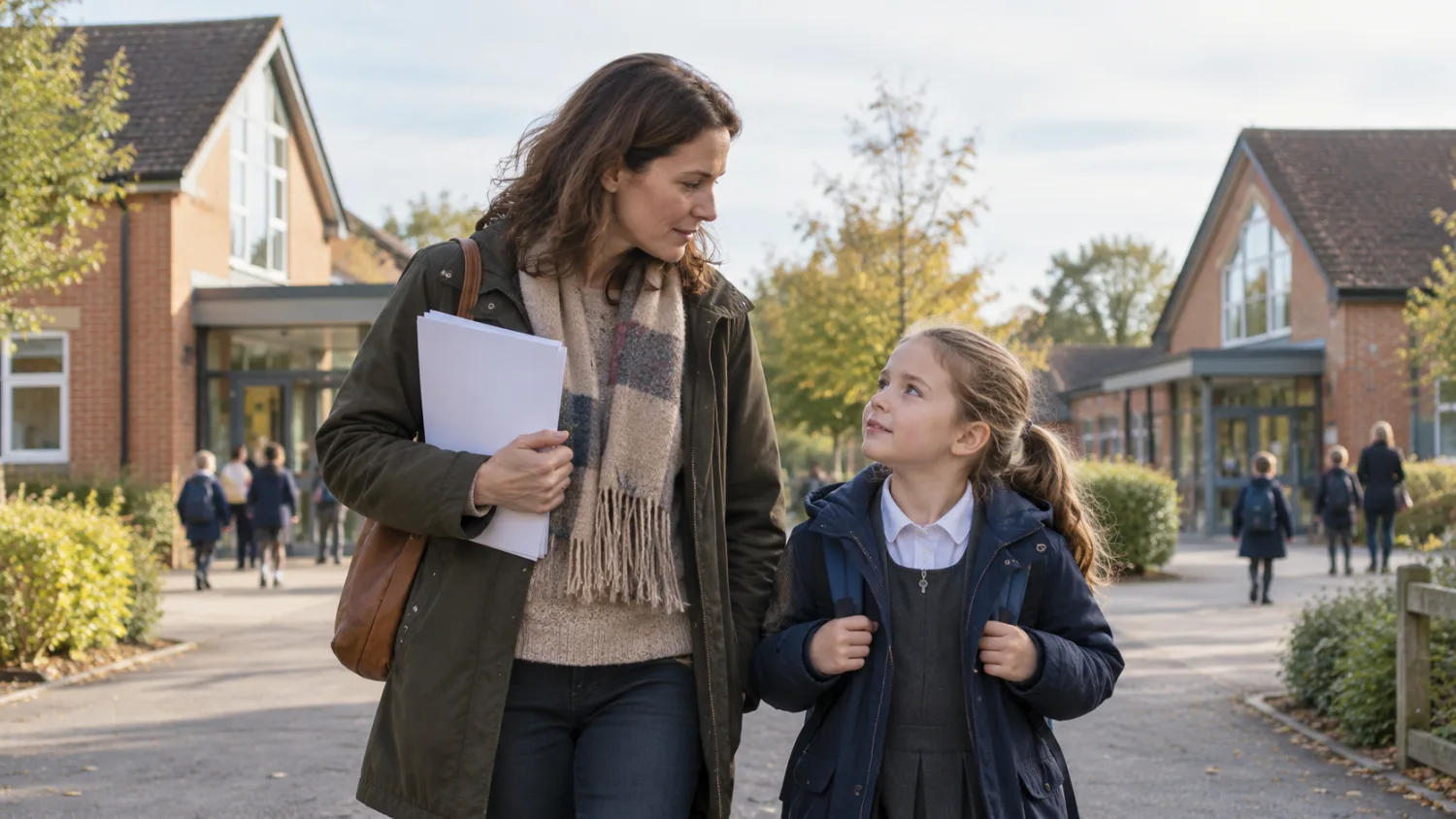

Some children are naturally quiet, cautious or slow to feel comfortable in unfamiliar situations. They may prefer listening to speaking, need time before joining a group or feel uneasy when attention is directed towards them.
Shyness is not a flaw, and confidence does not mean becoming the loudest pupil in the classroom. The aim is to help children feel secure enough to participate, ask for help, form friendships and express their ideas without trying to change their personality.
Confidence usually grows gradually through supportive relationships and manageable experiences. Parents and schools can help by reducing unnecessary pressure while still giving the child regular opportunities to take small social and academic risks.
Understand the difference between shyness and introversion
Shyness and introversion are related but not identical. An introverted child may enjoy friendships and speak confidently but need quiet time after social activity. A shy child may want to join in but feel worried about being judged, embarrassed or rejected.
Some children are cautious only in unfamiliar settings. They may speak freely at home but become quiet around new teachers, large groups or unexpected attention.
Shyness can also become more noticeable during transitions such as:
- starting Reception;
- moving to a new school;
- entering secondary education;
- joining a new class or activity;
- returning after a long absence;
- experiencing friendship changes.
Observe when the child becomes quiet and when they appear comfortable. This can reveal whether they need more preparation, a smaller group, a familiar adult or additional emotional support.
Avoid labelling the child as shy
Repeatedly describing a child as “the shy one” can turn a temporary behaviour into part of their identity. The child may begin to believe that speaking, performing or meeting new people is simply something they cannot do.
Instead of saying, “She is shy”, try:
- “She takes time to warm up.”
- “He likes to watch before joining in.”
- “She is still getting comfortable with the group.”
- “He speaks more once he knows people.”
Avoid discussing the child’s shyness in front of them as though they are not present. If another adult asks why they are quiet, give the child an opportunity to respond before answering on their behalf.
It is also unhelpful to compare them with a more outgoing sibling or classmate. Confidence develops at different rates, and comparison can increase embarrassment rather than encourage participation.
Talk to the school about what helps
Teachers see the child in lessons, group work, lunch and break times. They may notice strengths or difficulties that are less visible at home.
Share useful information without asking the teacher to force the child to speak. Explain:
- which situations make the child anxious;
- where they are already confident;
- whether they need time to prepare an answer;
- which classmates help them feel comfortable;
- how they usually communicate when worried;
- what has worked in previous settings.
Ask the teacher to provide low-pressure opportunities to participate. A child might answer with a partner before speaking to the class, read one sentence rather than a whole page or take responsibility for handing out equipment.
These adjustments should create a route towards participation rather than allow the child to avoid every uncomfortable situation indefinitely.
Our guide to talking to your child’s teacher when you are worried can help parents prepare for the conversation.
Set small and specific confidence goals
“Be more confident” is too vague for a child to act on. A smaller goal makes success visible and reduces the fear of failing.
Possible steps include:
- saying hello to one classmate;
- asking the teacher one prepared question;
- joining a game for five minutes;
- sharing an idea with a partner;
- ordering their own food in a café;
- attending one trial session at a club;
- inviting one friend home.
Choose a step that feels slightly challenging but still achievable. If the child becomes overwhelmed, make the goal smaller rather than abandoning it completely.
Afterwards, focus on what they did rather than whether the experience was perfect. You might say, “You looked nervous, but you still asked the question.”
Prepare and practise difficult situations
Uncertainty can increase anxiety. Children often feel more confident when they know what may happen and have words ready to use.
Role-play situations such as:
- asking to join a game;
- introducing themselves;
- telling a teacher they do not understand;
- responding when someone says hello;
- asking a classmate to work together;
- saying no when something feels uncomfortable.
Keep the practice light and brief. It should feel like preparation rather than a performance test.
Before a new activity, explain where it will take place, who will be there and what the child may be expected to do. Arriving early can help because joining a small group is often easier than entering a room that is already busy.
Younger children may benefit from one or two simple phrases, such as “Can I play too?” or “Can you help me with this?”
Use the child’s interests as a bridge
Children often communicate more freely when the focus is on something they enjoy. Art, animals, coding, music, sport, books or nature can provide a natural reason to interact with others.
An interest-based club may feel less demanding than an unstructured social situation because the child already knows what to do and has a shared topic to discuss.
Choose activities that fit the child’s temperament. A large competitive team may be energising for one child and overwhelming for another. Smaller groups, practical projects or activities with a predictable structure may be more comfortable initially.
Success in one setting can gradually affect confidence elsewhere. A child who becomes knowledgeable and valued in a gardening or coding club may find it easier to speak to classmates during lessons.
Read How Clubs and After-School Activities Boost Learning for more guidance on choosing activities that support confidence and friendships.
Praise courage without creating pressure
Notice the child’s effort, preparation and willingness to try. Specific feedback is more useful than repeatedly telling them to “be brave”.
You might say:
- “You answered even though you felt nervous.”
- “You stayed with the group until the activity ended.”
- “You told the teacher what you needed.”
- “You gave yourself time and then joined in.”
Avoid celebrating so dramatically that the child feels embarrassed or believes every social interaction will become a major family event.
Do not offer constant rewards for ordinary communication. Encouragement should help the child recognise their own progress rather than make every interaction dependent on a prize.
Confidence includes recovering after an awkward moment. Building Resilience in Children: Everyday Strategies That Work explains how to help children cope with mistakes and setbacks.
Give children time to answer for themselves
Adults often answer for a quiet child because silence feels uncomfortable. Although this may help in the moment, it can reduce opportunities for the child to practise speaking.
When someone asks the child a question, wait a little longer than feels natural. If they still cannot answer, offer support without taking over completely.
You might say:
- “Would you like a moment to think?”
- “Would you like to tell them, or shall we say it together?”
- “You can point first and explain when you are ready.”
Some children communicate more easily through writing, drawing or one-to-one conversation. These methods can be useful starting points, although the long-term aim may still include greater confidence in spoken communication where appropriate.
Support friendships in manageable ways
Large groups can be difficult for shy children because conversations move quickly and social roles are less predictable. One-to-one friendships may be easier to establish.
Parents can support this by arranging a short activity with one compatible child rather than a large party or unstructured gathering. Choose something that gives both children a shared task, such as baking, crafting, gaming or visiting a park.
Ask the teacher whether there are kind classmates with similar interests. Seating arrangements, paired work and small-group projects can help relationships develop naturally.
Avoid managing every interaction or insisting that the child become friends with someone they do not like. The aim is to create opportunities, not control the outcome.
If the child is being repeatedly excluded or targeted, do not treat the problem as something they should solve by becoming more confident. See Dealing With Bullying: Advice for Parents and Pupils.
Build confidence outside social situations
Confidence grows when children experience themselves as capable. Responsibilities at home can help them develop independence without the pressure of performing in front of peers.
Age-appropriate tasks might include:
- preparing their school bag;
- ordering in a café;
- paying for a small item;
- helping cook a meal;
- asking a shop assistant a question;
- planning part of a family outing;
- teaching someone a skill they know.
Allow enough time for the child to complete the task without unnecessary correction. Stepping in immediately can communicate that adults expect them to struggle.
Problem-solving and decision-making also support confidence. Helping Children Develop Critical Thinking Skills contains practical ways to encourage independent thinking.
Know when shyness may be anxiety
Ordinary shyness usually becomes easier as a child becomes familiar with people and situations. Additional help may be needed when fear remains intense, causes significant distress or prevents the child from taking part in everyday life.
Possible warning signs include:
- regular stomach aches or headaches before school;
- panic or severe distress before social situations;
- persistent refusal to attend school;
- being unable to speak in particular settings despite speaking normally elsewhere;
- avoiding eating, using toilets or asking for help at school;
- having no friendships despite wanting them;
- losing sleep because of social worries;
- becoming increasingly isolated.
Speak to the child’s teacher, pastoral team, SENCO or GP when anxiety is interfering with learning, attendance or daily life. The NHS provides information about mental health support for children and young people.
Some children who speak freely at home but consistently cannot speak in particular social settings may need assessment for selective mutism or another anxiety-related difficulty. This should not be treated as deliberate refusal.
If anxiety is affecting attendance, read School Anxiety and School Avoidance: A Parent’s Guide.
Frequently asked questions
Is shyness a problem that needs to be fixed?
No. Shyness is a common temperament trait. Support is useful when it prevents a child from communicating needs, forming friendships, participating in learning or enjoying ordinary activities.
Should teachers make shy pupils answer in class?
Pupils should have opportunities to participate, but sudden public pressure can increase anxiety. A gradual approach may include paired discussion, advance warning or answering in a smaller group before speaking to the class.
Should parents speak for a shy child?
Parents may need to help when the child is distressed or important information must be communicated. Where possible, give the child time to answer and offer prompts rather than responding immediately on their behalf.
Do drama clubs help shy children?
They can help some children practise expression and communication in a structured setting. Others may find performance overwhelming. A trial session, small group or backstage role may be a more comfortable starting point.
How can I help my child make friends?
Begin with one compatible child and a short, structured activity. Ask the school about potential friendship groups and shared interests. Avoid pressuring the child to join large groups before they are ready.
Is it helpful to tell a child to be more confident?
Usually not by itself. Give the child a specific, manageable action, such as asking one question or saying hello to one classmate. Confidence grows through successful experiences rather than instructions to feel differently.
Can shyness affect schoolwork?
Yes. A child may understand the lesson but avoid asking for clarification, contributing ideas or showing what they know. Teachers can provide alternative ways to participate while gradually building spoken confidence.
What is selective mutism?
Selective mutism is an anxiety-related condition in which a child consistently cannot speak in certain settings despite being able to speak comfortably elsewhere. It is not deliberate rudeness or refusal and may require specialist support.
When should I seek professional help?
Seek advice when social fear causes persistent distress, school avoidance, physical symptoms, extreme isolation or an inability to communicate essential needs. Speak to the school and GP rather than waiting for the child simply to grow out of it.
Will a shy child always remain shy?
Temperament may remain relatively quiet or cautious, but confidence and communication can improve considerably. The goal is not to change the child’s personality but to help them participate and express themselves more comfortably.