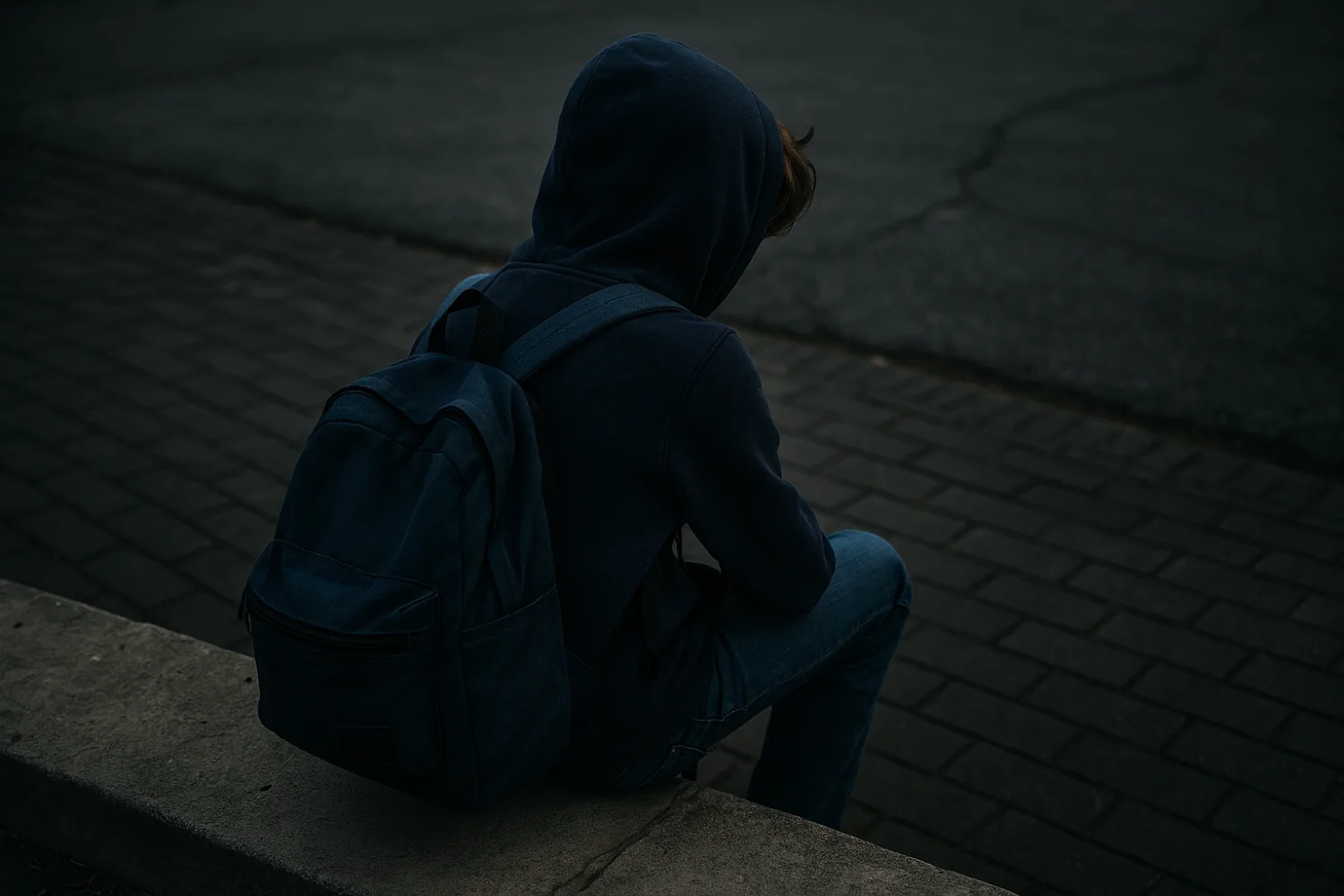
Bullying can make school feel unsafe, unpredictable and lonely. A child may begin to dread lessons, break times, the journey to school or checking their phone. Parents may feel angry, frightened or unsure whether the school is taking the situation seriously enough.
Bullying is not something children should be expected to tolerate or solve alone. Adults have a responsibility to listen, investigate and take practical steps to protect the child. At the same time, not every disagreement or unkind comment is bullying, so it is important to understand what has happened and respond proportionately.
This guide explains how to recognise bullying, talk to a child about it, work with the school, preserve evidence of online harassment and seek further help when the problem continues.
Understand what bullying means
Bullying usually involves repeated behaviour that causes physical or emotional harm. It may also involve an imbalance of power, such as greater physical strength, social influence, popularity, age or control over a group.
A disagreement between friends, an isolated insult or an accidental injury can still be upsetting and may require an adult response. However, these situations are not always bullying. The distinction matters because the school needs to understand the pattern, motivation and risk before deciding how to intervene.
Bullying can take several forms:
- Verbal bullying: repeated name-calling, mocking, threats or humiliating comments;
- Physical bullying: hitting, pushing, tripping, restraining or damaging belongings;
- Social bullying: deliberate exclusion, spreading rumours or encouraging others to reject someone;
- Prejudice-based bullying: targeting someone because of disability, race, religion, sex, sexual orientation, gender identity or another characteristic;
- Cyberbullying: harassment, threats, impersonation or humiliation through messages, games, social media or shared images.
The Anti-Bullying Alliance provides further information and resources through its UK anti-bullying guidance.
Recognise possible signs that a child is being bullied
Children do not always say directly that they are being bullied. They may feel embarrassed, fear retaliation or worry that adults will remove their phone, confront other families or make the situation more visible.
Possible warning signs include:
- reluctance or refusal to attend school;
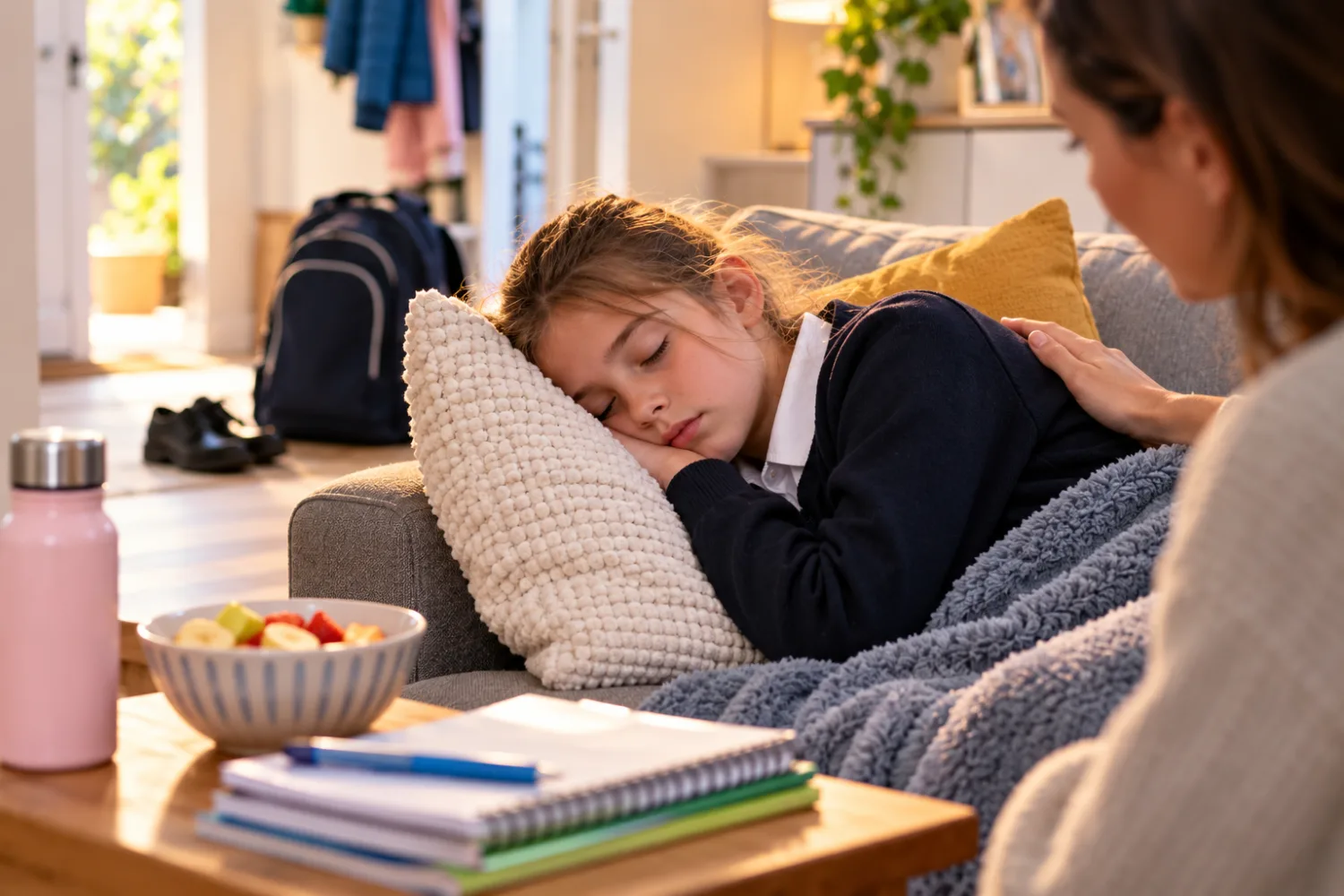
- repeated headaches, stomach aches or feeling unwell on school mornings;
- unexplained injuries or damaged belongings;
- missing money, food, equipment or clothing;
- a sudden decline in concentration or schoolwork;
- becoming withdrawn, anxious, tearful or unusually angry;
- losing interest in friends, clubs or activities;
- sleep problems, nightmares or changes in eating;
- distress after using a phone, game or social platform;
- avoiding particular lessons, routes, buses or break-time areas.
None of these signs proves that bullying is happening. They can also be associated with anxiety, friendship problems, academic difficulties or changes at home. What matters is noticing a pattern and opening a calm conversation.
If your child is becoming increasingly distressed about attending, read What to Do if Your Child Refuses to Go to School and School Anxiety and School Avoidance: A Parent’s Guide.
Talk to your child calmly and listen carefully
Choose a time when neither of you is rushing. Some children find it easier to talk during a walk, car journey or quiet activity because they do not have to maintain direct eye contact.
Begin with what you have observed rather than an accusation. You might say, “You have seemed worried after school this week. Has something happened?” or “I noticed you no longer want to take the bus. Can you tell me what has changed?”
Let your child explain events in their own words. Try not to interrupt with anger, immediate solutions or questions that sound as though you doubt them. Helpful responses include:
- “I am glad you told me.”
- “This is not your fault.”
- “You do not have to deal with it alone.”
- “We will decide together what to do next.”
Avoid promising that you will keep everything secret. You may need to involve the school or another adult to keep the child safe. Explain who you may need to contact and, where possible, include your child in deciding how the concern is raised.
YoungMinds offers further advice for parents supporting a child affected by bullying.
Help your child stay safe without making them responsible
It is never the child’s responsibility to stop bullying. Advice such as “just ignore it” or “stand up for yourself” can leave them feeling that they have failed when the behaviour continues.
However, children can be helped to identify safer responses. Depending on the situation, they may be able to:
- move towards a supervised area or trusted group of friends;
- tell a teacher, pastoral lead or another named adult immediately;
- use a short, firm response and leave rather than continue an argument;
- avoid isolated routes or areas while the school investigates;
- save messages, screenshots or details of witnesses;
- block or mute accounts after evidence has been preserved.
Agree which adults at school the child can approach. Some pupils may feel unable to speak to their class teacher but comfortable with a teaching assistant, form tutor, SENCO, pastoral worker or safeguarding lead.
Practise what they could say. A simple sentence such as “This has happened several times and I need help” may be easier to use when the child feels frightened.
Do not encourage physical retaliation. It can increase the risk of injury, complicate the school’s investigation and result in both children receiving sanctions.
Record incidents and preserve evidence
A clear record helps the school identify patterns and prevents important details from being forgotten. Keep notes factual rather than speculative.
Record:
- the date and approximate time;
- where the incident happened;
- what was said or done;
- who was involved or witnessed it;
- whether the child reported it at school;
- how the incident affected the child;
- what response followed.
For cyberbullying, save screenshots showing usernames, dates and the full context where possible. Preserve links, messages, images and account details before blocking or reporting the user.
Do not circulate humiliating images or messages unnecessarily. Share evidence only with the school, platform, police or other relevant professionals.
A record should support action, not require the child to repeatedly relive every incident. Parents can maintain the log after listening to the child once.
Report bullying to the school clearly
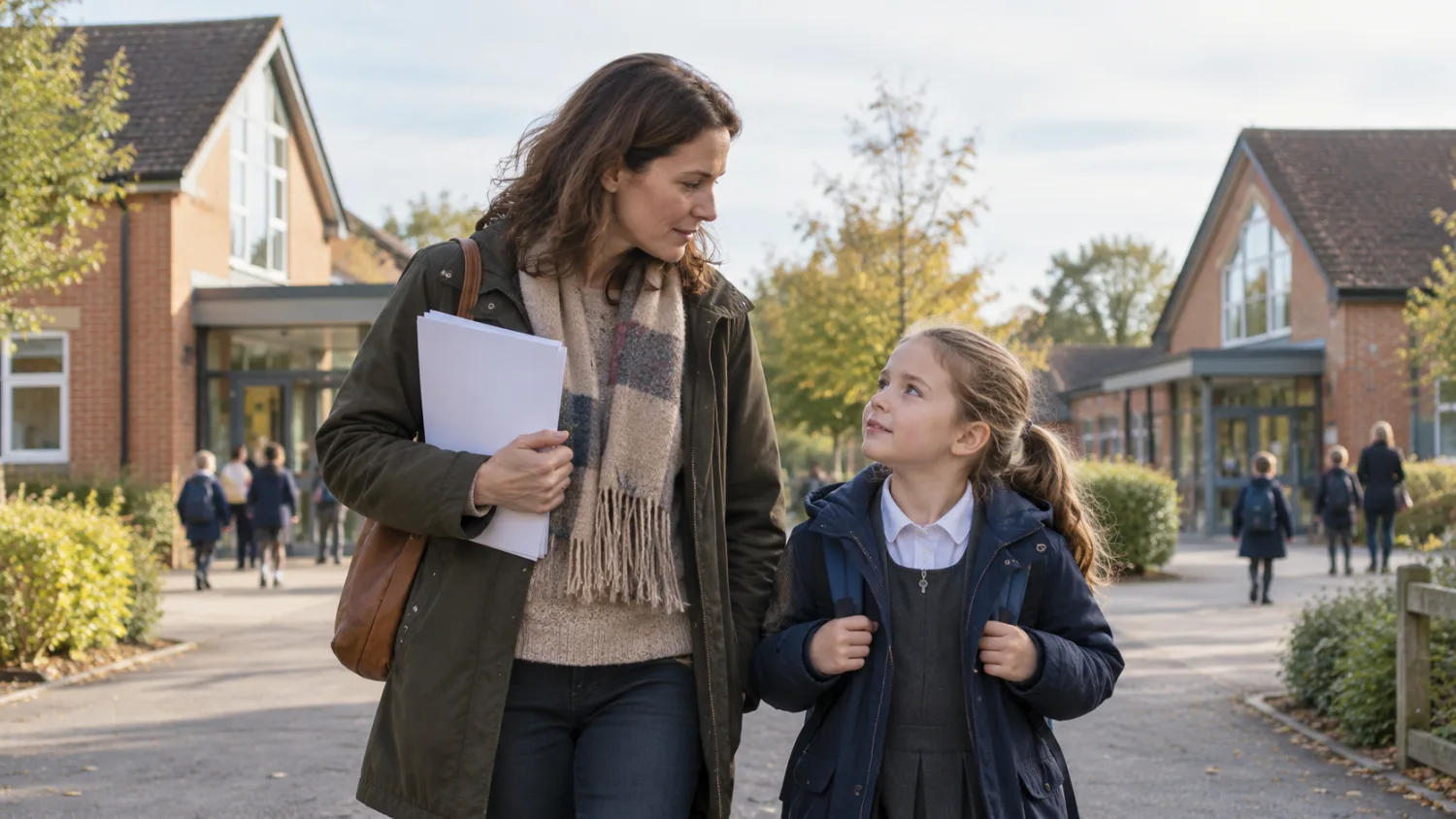
Contact the child’s class teacher or form tutor unless the concern is serious enough to require the safeguarding lead or a senior leader immediately. Explain that you are reporting suspected bullying and provide specific examples.
Ask the school:
- how the concern will be investigated;
- which adult will support your child;
- what can be done immediately to reduce further risk;
- how break times, lessons or online behaviour will be monitored;
- when you will receive an update;
- how the school will assess whether the intervention has worked.
The school may not be able to tell you every detail about another pupil, including sanctions or private family information. This can feel frustrating, but confidentiality does not prevent the school from explaining what it is doing to protect your child.
Try to maintain calm, written communication. State the facts, the effect on your child and the outcome you need. Our guide to talking to your child’s teacher when you are worried can help you prepare for the conversation.
The government provides information about school responsibilities and reporting routes in its guidance on bullying at school.
Follow up when the bullying continues
One conversation may not resolve a repeated pattern. Ask for an agreed review date and continue recording incidents. If the situation continues, contact the headteacher or follow the next stage in the school’s complaints procedure.
Send a concise written summary that includes:
- when the concern was first reported;
- the incidents that have occurred since;
- the effect on attendance, learning or wellbeing;
- the actions already discussed;
- what further response you are requesting.
If informal attempts have not resolved the concern, you may need to make a formal complaint. The correct route depends on the type of school and the nature of the complaint. Follow the school’s published procedure rather than sending the same message to several unrelated organisations.
School Complaints: When to Raise a Concern and When to Make a Formal Complaint explains how to decide when escalation is appropriate.
Contact the police where there is an immediate danger, assault, credible threat, stalking, theft, sexual abuse, hate crime or another potentially criminal matter. If a child is at immediate risk, call the emergency services.
Deal with cyberbullying across school and home
Online bullying may happen outside school hours but continue to affect relationships, attendance and safety within school. Messages can be repeated, shared widely and viewed at any time, making it difficult for a child to escape.
Encourage your child not to reply impulsively. Save the evidence first, then use the platform’s block, mute and report tools. Review privacy settings and check whether unknown users can contact or add the child to groups.
Report online bullying to the school when pupils from the school are involved or when the behaviour affects school life. The school’s ability to impose sanctions for conduct outside its premises depends on the circumstances and its behaviour policy, but it should still consider pupil safety and welfare.
Do not respond publicly from your own account or begin an online argument with another child or parent. This can spread the material further and make a calm investigation more difficult.
Internet Matters provides platform-specific guidance on reporting cyberbullying. Parents may also find How to Check Your Child Is Safe Online Without Spying useful.
Support recovery and rebuild confidence
Stopping the behaviour is the first priority, but recovery may take longer. A child can remain anxious even after the bullying has ended because they are waiting for it to begin again.
Keep routines predictable and check in without making every conversation about bullying. Ask about specific parts of the day, such as lunch, the bus or a particular lesson, rather than repeatedly asking whether everything was fine.
Help your child reconnect with safe friendships and activities where they feel competent. Clubs, sport, music, drama or creative projects can provide positive experiences, but they should not be presented as a way to fix the child or make them less likely to be targeted.
How Clubs and After-School Activities Boost Learning explains how shared interests can support confidence and friendships. For quieter pupils, see Helping Shy Children Build Confidence at School.
Watch for persistent sleep problems, anxiety, withdrawal, school refusal or loss of interest in ordinary life. If these continue, speak to the school, GP or another appropriate professional.
Respond constructively if your child has bullied someone
Learning that your child has harmed another pupil can be difficult. Avoid immediate denial, but also avoid labelling the child as a bully as though the behaviour defines their identity.
Make clear that the behaviour is unacceptable and must stop. Ask what happened, what your child was trying to achieve and whether other pupils were involved. Possible reasons may include social pressure, anger, jealousy, poor impulse control or being bullied themselves, but an explanation does not excuse the harm.
Work with the school on proportionate consequences and support. The child may need help developing empathy, managing conflict, using social media responsibly or recognising how group behaviour affects others.
An apology can be useful when it is genuine and safe, but it should not be forced immediately or used as the only response. The harmed child should not be pressured into accepting contact or reconciliation.
Continue monitoring behaviour after the formal consequence has ended. The aim is not simply to punish one incident but to prevent repetition and help the child develop safer ways to handle relationships and emotions.
Know when additional help is needed
Bullying can affect mood, confidence, attendance, concentration and physical health. Some children recover quickly once the behaviour stops, while others need more sustained support.
Seek professional help when a child:
- remains highly anxious or withdrawn;
- regularly refuses or is unable to attend school;
- experiences persistent sleep or eating changes;
- stops engaging with friends and activities;
- shows a marked decline in functioning;
- talks about hopelessness, self-harm or not wanting to live.
Speak to your child’s GP, school safeguarding or pastoral team, or an appropriate mental health service. Do not leave a child alone if you believe they are in immediate danger.
Children and young people can contact Childline for confidential support. Parents can use the bullying resources provided by YoungMinds.
Frequently asked questions
What is the difference between bullying and an argument?
An argument may be an isolated conflict between people with relatively equal power. Bullying usually involves repeated harmful behaviour and may include an imbalance of social, physical or emotional power. Isolated serious incidents still require action even when they do not meet a formal definition of bullying.
What should I say when my child tells me they are being bullied?
Thank them for telling you, listen without blaming them and explain that they will not have to deal with it alone. Ask what happened, who was involved and what would help them feel safer. Avoid promising secrecy or immediate revenge.
Should I contact the other child’s parents?
Usually it is better to report the concern through the school first. Direct contact can become confrontational, expose children to further pressure or complicate the investigation. The school can decide whether and how families should be involved.
What evidence should I collect?
Keep a factual incident log with dates, locations, witnesses and the effect on your child. Save screenshots, messages, usernames and links for cyberbullying. Do not encourage your child to provoke further contact in order to obtain evidence.
What if the school says it is only friendship trouble?
Ask how the school reached that conclusion and provide the repeated pattern you have recorded. Even when behaviour is not formally classified as bullying, the school should respond if a child is being harmed, excluded or made to feel unsafe.
Can schools act on bullying that happens online or outside school?
Schools may be able to respond when conduct outside the premises affects pupils, safety or school life. Report the issue and provide evidence. Serious threats, harassment or criminal behaviour may also need to be reported to the platform or police.
Should my child fight back?
No. Physical retaliation may increase the danger and lead to sanctions for everyone involved. Help your child move to safety, seek an adult and use a short, firm response where appropriate.
When should bullying be reported to the police?
Contact the police where there is immediate danger, assault, credible threats, stalking, theft, sexual offences, hate crime or another potentially criminal matter. Call the emergency services if anyone is at immediate risk.
What if my child is accused of bullying?
Listen to the school’s evidence, speak calmly with your child and make clear that harmful behaviour is unacceptable. Work with the school on consequences, repair and support while avoiding labels that suggest the child cannot change.
Can a child recover after bullying?
Yes. Recovery is more likely when adults act early, the child feels believed and practical steps restore safety. Some children also need longer-term pastoral or mental health support, particularly when bullying has affected attendance, confidence or relationships.