Sponsored content: Paid collaboration with Piano Lessons London by WKMT.
Starting piano lessons begins with a practical question: what would you like to be able to play? For a child, the answer might be a tune they recognise. For an adult, it could be a piece they have always wanted to learn, or the chance to return to an instrument they left behind years ago. A useful first step is to discuss that interest with a teacher and find a starting point that fits the learner.
For those exploring piano lessons in London with WKMT, the studio offers one-to-one tuition for children and adults in West Kensington, Camberwell and Bermondsey, alongside live online lessons. Beginners and returning players can speak to the team about their experience, musical interests and preferred setting before choosing how to begin.
Choosing piano lessons for a child
The right introduction should give a child something understandable and enjoyable to do at the keyboard. Ask how the teacher approaches listening, rhythm, reading and practical playing, and how those activities change with the child's age and experience. A young beginner and a teenager need different explanations and different expectations.
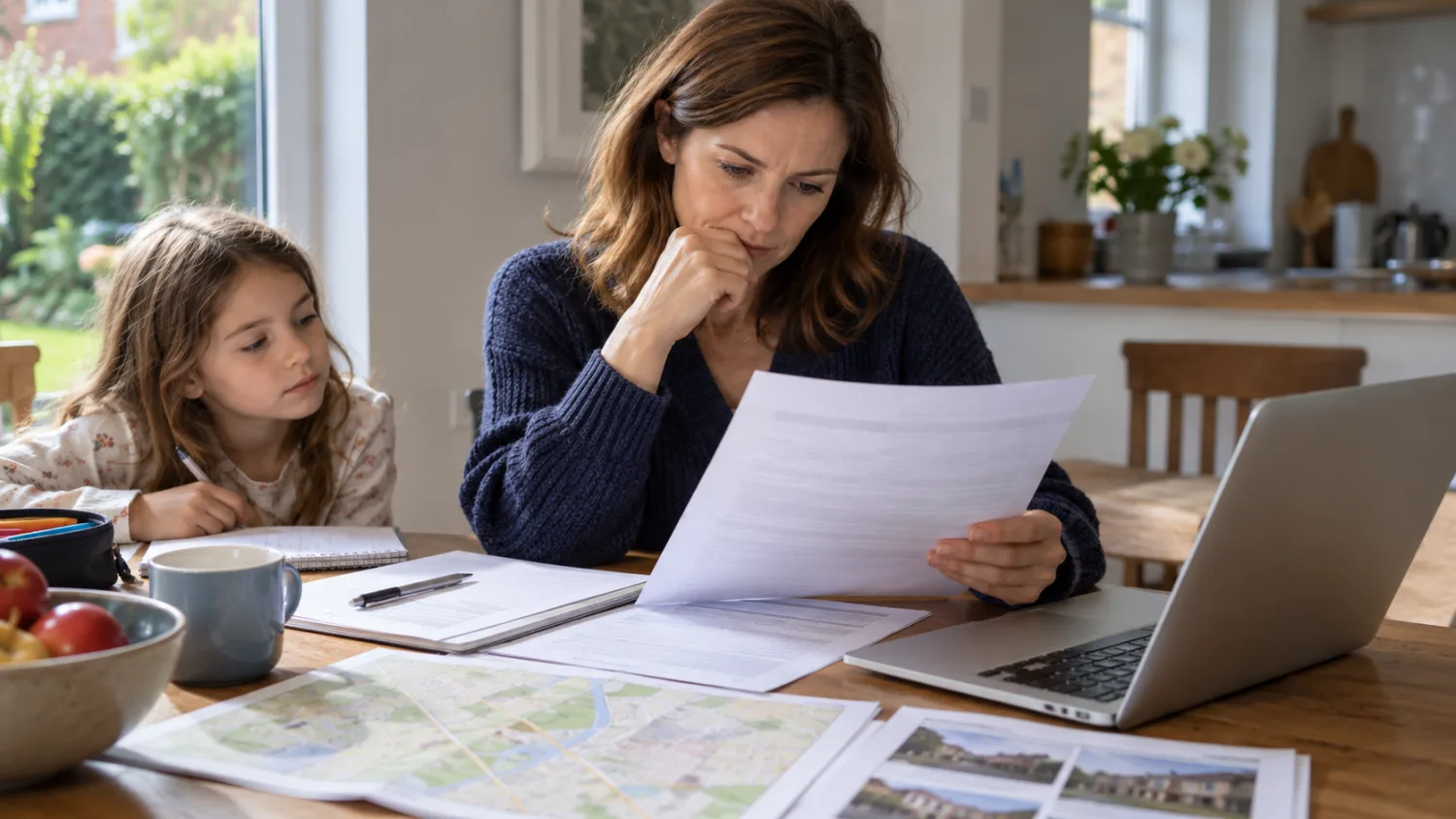
It is also worth discussing the parent's role. What should the child practise between lessons? How will the teacher explain those tasks? What should a parent do when something feels confusing or frustrating? Clear communication can make the difference between a vague instruction to practise and a small task the family knows how to support.
Parents considering piano lessons for kids can explore WKMT's approach to readiness, teacher matching and age-appropriate teaching. The initial conversation should help identify a suitable pace and direction, rather than assume that every child needs the same programme or examination timetable.
Beginning or returning as an adult
Adult learners bring their own reasons for studying. Some want a structured introduction to reading music and using both hands. Others remember lessons from childhood and would like help rebuilding a foundation. More experienced players may want to improve their technique or work on a particular piece.
Tell the teacher what you have tried before, what you enjoy listening to and what time you can realistically give to practice. You do not need to arrive with a polished performance. An honest account of your starting point gives the teacher something useful to work with.
Goals can be specific without becoming a deadline. Learning a short passage with greater control, understanding a rhythm or playing a familiar melody can provide direction while leaving room to adjust the pace.
Finding a setting that fits
For studio lessons, consider the journey as well as the lesson itself. A location that is manageable after school or work can make regular attendance easier to organise. Ask about teacher availability and the arrangements for ongoing tuition before committing.
Online lessons require a little preparation too. Discuss the piano or keyboard you will use, your internet connection and where to place the camera so the teacher can see your hands and hear clearly. If you are learning from another time zone, confirm the lesson time explicitly.
Making practice manageable
Ask for a clear task to take away from each lesson. A short section to work through slowly, a rhythm to repeat or a few notes to locate can be more useful than an ambitious plan that is difficult to follow.
Review the routine with the teacher as you go. Progress varies between learners, and practice should be adjusted when the instructions, difficulty or household schedule make it hard to sustain. Children and adults alike benefit from knowing what they are working on and why.
Taking the next step
Whether you are choosing lessons for a child or considering them for yourself, begin by asking questions. Discuss your level, interests, preferred studio or online format, current fees and scheduling. WKMT's team can help you explore the available options. If a particular teacher, location or time is essential, check availability before paying for a first lesson.