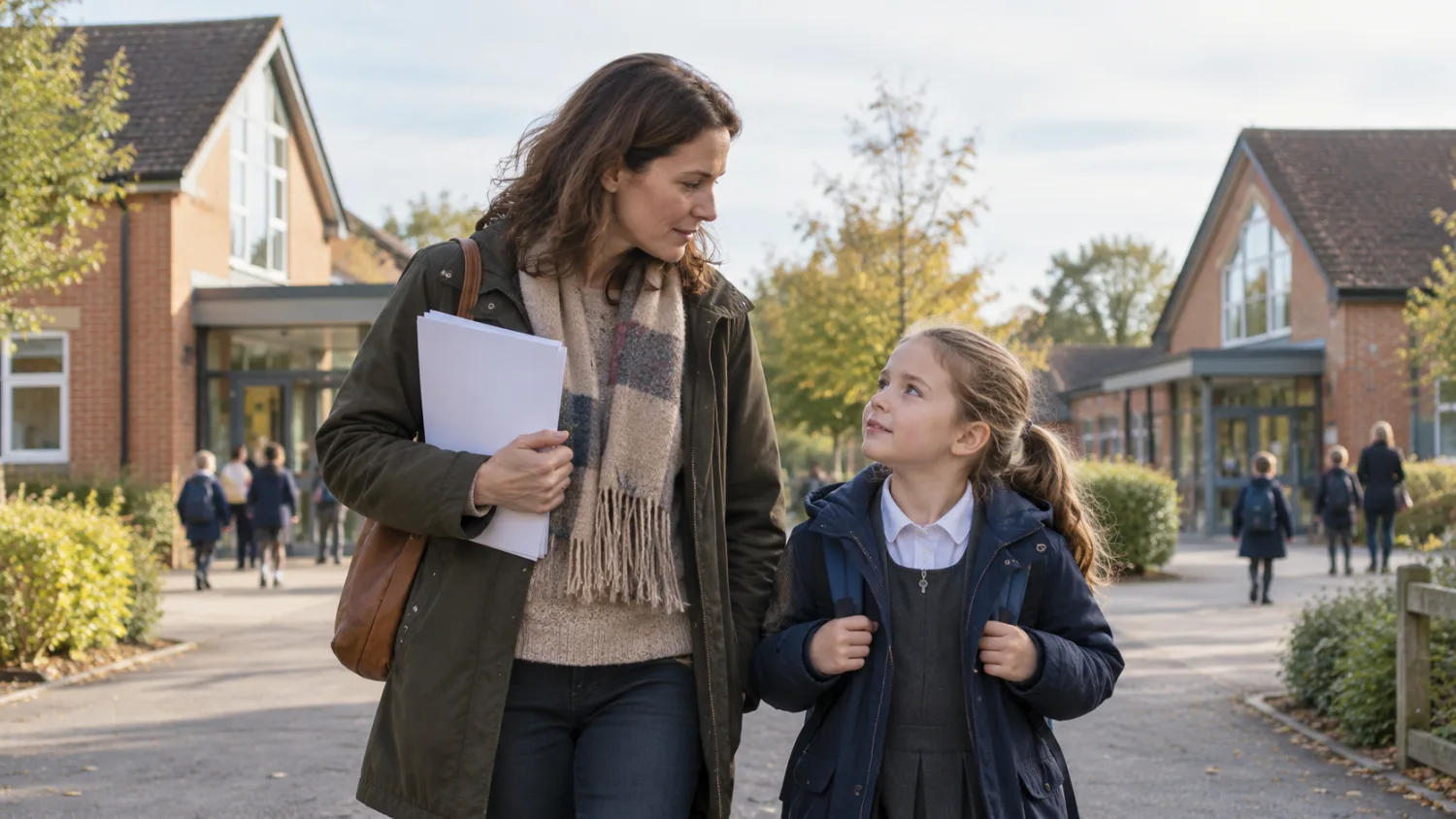

Choosing between a state school and an independent school can feel like a decision about two completely different educational paths. In reality, both sectors contain a wide range of schools. An excellent state school may provide stronger teaching and support than a poorly matched independent school, while a particular independent school may offer specialist opportunities that are not available locally.
The right decision depends on the individual school, your child’s needs and what your family can sustain over many years. Fees, class sizes and facilities matter, but so do teaching quality, pastoral care, travel, friendships, SEND support and whether your child feels comfortable in the environment.
This guide focuses mainly on England, where school structures, admissions and inspection arrangements differ from those elsewhere in the UK. It explains the main advantages and disadvantages of state and independent education without assuming that either option is automatically better.
Understand the basic difference
State-funded schools do not charge tuition fees. They include local-authority-maintained schools, academies, free schools, grammar schools and many faith schools. Their admissions arrangements vary, but applications are generally made through the local authority for the normal point of entry.
Independent schools, also called private schools, charge fees and are not funded by the government in the same way. Families normally apply directly to the school. Independent schools may set their own admissions processes, which can include interviews, entrance examinations, school reports or assessment days.
Independent schools have greater flexibility over what and how they teach. Pupils are not required to follow the national curriculum, although many schools use it as a foundation and prepare children for widely recognised qualifications.
All independent schools must be registered and inspected. Some are inspected by Ofsted, while eligible member schools may be inspected by an approved independent inspectorate. Parents should check which organisation inspects the particular school and read its latest report.
The government’s guide to private and independent schools explains the basic legal position. Our complete guide to UK school types covers maintained schools, academies, grammar schools, faith schools and other options.
Advantages and disadvantages of state schools
The most obvious advantage of state education is that there are no tuition fees. This allows families to use their income for housing, savings, activities, travel, tutoring or other forms of support without committing to several years of school fees.
State schools often have strong connections with their local communities. Children may live near classmates, attend local clubs and eventually travel to school independently. These connections can make friendships and family arrangements easier.
Many state schools also educate pupils from a wide range of social, cultural and economic backgrounds. This is not universal, because school intakes reflect local areas and admissions policies, but it can give children experience of a broad community.
State schools can offer excellent teaching, extracurricular opportunities and specialist support. Some have extensive sports facilities, music provision, sixth forms or partnerships with universities and employers. The label “state school” tells parents very little about the quality of an individual school.
Possible disadvantages include:
- limited access to popular schools because of admissions criteria and oversubscription;
- larger classes in some settings;
- variation in funding, staffing, facilities and subject choices;
- less flexibility for families who live outside the usual allocation area;
- pressure on specialist services and SEND provision in some schools.
These are possibilities rather than rules. Parents should investigate the schools actually available to them instead of comparing an idealised independent school with a general impression of the state sector.
Advantages and disadvantages of independent schools
Independent schools commonly promote smaller classes, extensive facilities and a broad range of activities. Some can devote more time to music, sport, languages, drama, outdoor education or specialist academic subjects.
Smaller classes may allow teachers to provide more individual feedback, although class size alone does not guarantee effective teaching. The quality of the teacher, curriculum and school culture remains more important than a simple pupil-to-teacher ratio.
Some independent schools provide strong university, careers and examination support. Others specialise in sport, performing arts, particular learning needs or a distinctive educational philosophy.
Possible advantages include:
- smaller classes in many schools;
- greater curricular flexibility;
- extensive extracurricular programmes;
- specialist facilities and coaching;
- additional academic or pastoral resources;
- boarding or extended-day options where required.
However, independent education also has significant disadvantages. Fees can place sustained pressure on family finances, particularly when more than one child attends. Uniform, transport, meals, devices, trips and activities may be charged separately.
Other possible disadvantages include:
- academic or social pressure that may not suit every child;
- a longer daily journey and fewer local friendships;
- less social and economic diversity in some schools;
- additional competition through entrance assessments;
- the risk of disruption if fees later become unaffordable;
- variable SEND provision between individual schools.
Independent schools differ widely. Some are highly selective and academically intense, while others focus on pastoral care, creativity or additional needs. Families should examine the character of the particular school rather than relying on the reputation of the sector.
Calculate the full financial commitment
Independent school fees are a long-term household commitment rather than a one-off educational purchase. From 1 January 2025, education and boarding services supplied by private schools in the UK became subject to VAT at the standard rate. Families should check the school’s current published fees rather than relying on figures from older articles or previous academic years.
The government provides official information about VAT on private school fees.
Ask for a complete schedule of likely costs, including:
- tuition and registration fees;
- deposits and acceptance charges;
- uniform and sports equipment;
- meals and transport;
- laptops or other devices;
- examination charges;
- trips, residential visits and exchanges;
- music lessons and extracurricular activities;
- before-school, after-school or boarding costs.
Model the cost across the whole intended period, not only the first year. Fees may increase annually, and family circumstances can change through redundancy, illness, divorce, another child starting school or rising housing costs.
Consider what the same money could provide if your child attended a state school. It might fund tutoring, music tuition, sports coaching, travel, university savings or more flexible working arrangements. This does not prove that one choice is better, but it allows a fairer comparison.
A family should not feel pressured to choose independent education if the cost would remove financial security or create constant anxiety. Equally, families who can afford the fees should still ask whether the individual school provides enough additional value for their child.
Understand scholarships and bursaries
Scholarships and bursaries can reduce the cost of independent education, but the terms differ significantly between schools.
A scholarship is commonly awarded for academic ability, music, sport, drama, art or another area of achievement. Some scholarships provide a substantial fee reduction, while others are mainly honorary and reduce fees only slightly.
Bursaries are usually means-tested and based on household finances. The school may review income, assets, housing, family circumstances and other financial commitments. Awards can sometimes be reassessed each year.
Ask:
- how much of the fee the award covers;
- whether additional costs are included;
- how often finances or performance are reviewed;
- what happens if family income changes;
- whether the award continues through later school stages;
- what standards or commitments the child must maintain.
Do not assume that winning a scholarship will make the school affordable. Calculate the remaining fees and extras over the full period before accepting a place.
Compare teaching, curriculum and academic pressure
Independent schools often have more flexibility to change their curriculum, timetable and teaching approach. This may allow additional languages, classical subjects, extended arts provision or more time for sport.
State schools follow national requirements more closely, but they still vary considerably in the way they design lessons and prioritise subjects. Academies also have some curricular flexibility, and many state schools develop distinctive specialisms.
Ask both types of school:
- what pupils study at each stage;
- how reading, mathematics and writing are taught;
- which GCSE and post-16 options are available;
- how pupils who fall behind are supported;
- how higher-attaining pupils are challenged;
- how much homework is expected;
- how progress and wellbeing are balanced.
High examination results do not necessarily mean that teaching alone produced the difference. Admissions selection, pupil background, prior attainment, family resources and the subjects entered can all affect published results.
Consider whether the academic culture suits your child. A highly competitive environment may motivate one pupil and undermine another. Similarly, a less selective school may provide a broader range of abilities but still offer excellent teaching and ambitious expectations.
For an overview of what children study at different ages, read Understanding the UK Curriculum and Key Stages.
Examine SEND and pastoral support carefully
Neither sector automatically provides better support for special educational needs and disabilities. Some state schools have highly experienced SENCOs, specialist units and established relationships with local services. Some independent schools offer small classes and specialist teaching, while others have limited capacity to support complex needs.
Parents should ask what the school can actually provide for their child. Important questions include:
- who leads SEND provision;
- what qualifications and experience staff have;
- how lessons are adapted;
- whether specialist support costs extra;
- how the school works with external professionals;
- what happens if the child’s needs increase;
- how emotional, sensory and social needs are supported.
Families should also understand how an Education, Health and Care Plan interacts with the chosen school. The position can be more complex when a family independently chooses a fee-paying school than when an independent or special school is named through the statutory process. Seek advice from the local authority or SEND information, advice and support service about your circumstances.
Read our guides to the difference between SEN support and an EHCP and SEN support and EHCPs for parents.
Pastoral care should also be assessed separately from academic support. Ask who helps pupils with anxiety, friendships, behaviour, attendance or family difficulties and how concerns are communicated to parents.
Consider friendships, diversity and community life
A local state school may allow children to attend with neighbours, meet friends easily and participate in community activities. This can make social life more manageable, particularly as children become independent.
An independent school may draw pupils from a much wider geographical area. The child may develop strong friendships at school but need parental transport to see friends outside school hours.
Diversity also varies by school and location. State schools often reflect the population of their local area, while the cost of independent education can limit socioeconomic diversity. Bursary programmes may widen access, but parents should examine the actual school community rather than accepting broad claims.
Consider whether your child will feel included and represented. Ask how the school approaches culture, religion, disability, family circumstances and prejudice-based bullying.
Facilities and opportunities can be valuable, but children also need to feel that they belong. A school with modest buildings and supportive relationships may suit a child better than one with impressive resources but an uncomfortable social culture.
Visit individual schools instead of comparing labels
The most useful comparison is not “state versus independent” in the abstract. It is between the real schools available to your child.
Visit each serious option and observe how staff and pupils interact. Ask about teaching, behaviour, SEND, pastoral care, homework, clubs and communication with families.
Independent schools may organise highly polished tours, interviews and taster days. State-school open events can also be carefully presented. Look beyond the marketing and ask what an ordinary day is like.
Read the latest inspection information, but remember that the systems are not identical across all schools. State-funded schools in England are inspected by Ofsted. Independent schools may be inspected by Ofsted or another approved inspectorate, depending on their arrangements.
Use Top Questions to Ask on School Open Days to prepare. Our broader guide to choosing the right school for your child explains how to compare atmosphere, admissions, travel and support.
When reviewing an Ofsted-inspected school, read Understanding Ofsted Ratings: What Parents Should Know before relying on a headline judgement.
Make a decision your family can sustain
Begin with your child’s essential needs, then compare what each individual school offers. Avoid assuming that paying fees guarantees a better experience or that choosing a state school means accepting fewer opportunities.
Ask your family:
- Where is our child most likely to feel safe and understood?
- Which teaching environment suits their personality?
- Does either school provide support or opportunities they genuinely need?
- Can we sustain the fees and additional costs over many years?
- How will travel affect sleep, activities and friendships?
- What happens if our financial or family circumstances change?
- How does our child feel after visiting each school?
Listen to your child, particularly when choosing a secondary school, but do not ask them to carry the responsibility for the final financial or educational decision. Children may focus on friends, facilities or one enjoyable taster session, while parents must consider the complete picture.
There is no universal winner. Millions of children thrive in state schools, and many benefit greatly from independent education. What matters is whether the particular school provides a suitable environment and whether the decision remains workable for the family.
Frequently asked questions
Are independent schools academically better than state schools?
Not automatically. Some independent schools achieve very high results, but admissions selection, pupil background and family resources can influence outcomes. Many state schools also produce excellent progress and results. Compare the individual schools and the support your child would receive.
Do independent schools always have smaller classes?
Many do, but class sizes vary. Ask for the usual number in your child’s year and subjects. Smaller classes can support individual attention, but they do not guarantee stronger teaching or a better social environment.
Do independent school fees include VAT?
From 1 January 2025, private-school education and boarding services became subject to VAT at the standard rate. Check whether the school’s quoted fees already include VAT and ask for a complete list of additional charges.
Are private and independent schools the same thing?
In everyday UK usage, the terms generally refer to fee-charging schools that are not funded by the government. “Public school” is also traditionally used for a small group of long-established independent schools, despite the term having a different meaning in some other countries.
Do independent schools follow the national curriculum?
They are not required to follow it, although many use parts of it and prepare pupils for recognised qualifications such as GCSEs and A levels. Parents should ask exactly what is taught and which qualifications are available.
Can a child receive SEND support at an independent school?
Yes, but provision varies considerably. Ask what support is included in the fees, what costs extra and whether the school can meet your child’s specific needs over the longer term.
How do scholarships differ from bursaries?
Scholarships are usually awarded for ability or achievement, while bursaries are generally means-tested according to family finances. Some children receive both. The size and conditions of awards differ between schools.
Can we apply to state and independent schools at the same time?
Yes. State-school applications usually follow the local authority process, while independent applications are made directly to each school. The deadlines, deposits and acceptance arrangements may be different.
Will attending an independent primary school help with state secondary admission?
Not usually. State secondary places are allocated according to the published admissions criteria, not simply according to the primary school attended. Selective grammar schools may use entrance tests, while other schools may prioritise factors such as distance or siblings.
What is the best way to choose between the two sectors?
Compare actual schools rather than sector stereotypes. Visit them, read inspection reports, review costs, discuss support needs and consider travel, friendships and your child’s response. The right choice is the one that fits the child and remains sustainable for the family.